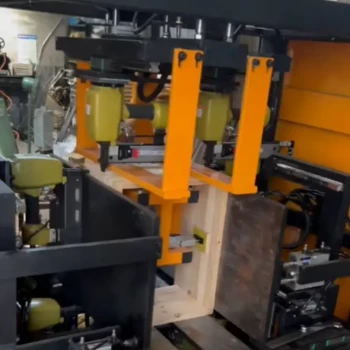
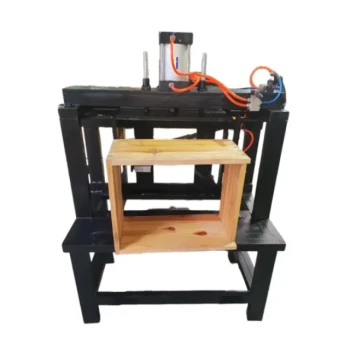
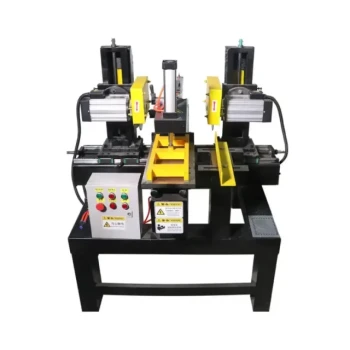
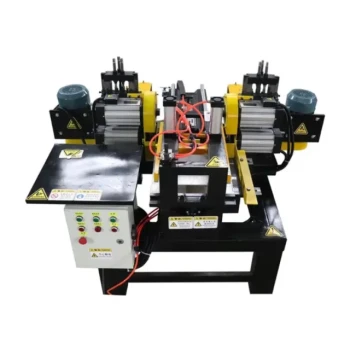
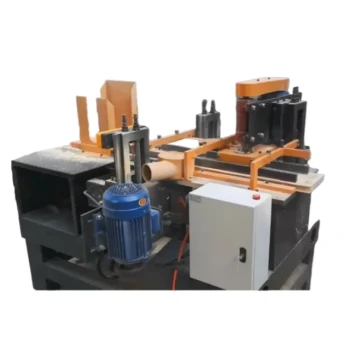
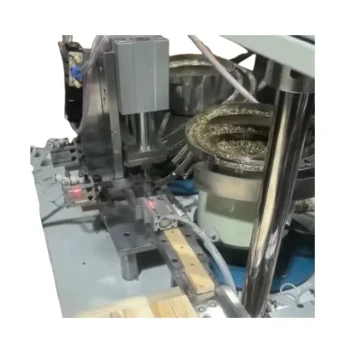
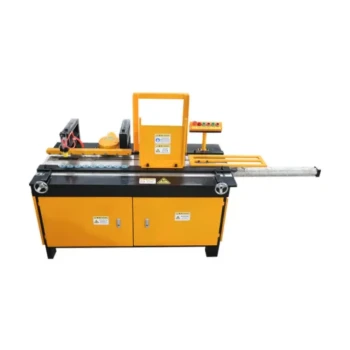
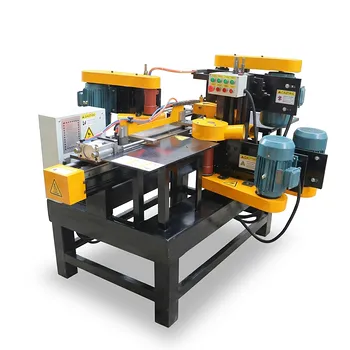
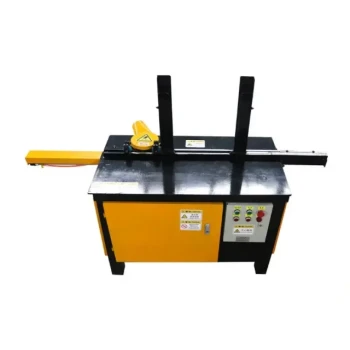
Automated beehive manufacturing is the critical enabler for scaling pollination infrastructure beyond manual limits. At a deployment scale of over 100 nodes, these machines provide the absolute hardware consistency required for algorithmic pollination models to function. By ensuring identical spatial dimensions and micro-environment controls across every unit, they eliminate the physical variables that would otherwise compromise the accuracy of large-scale environmental data.
For distributors and B2B resellers, automated manufacturing represents the transition from artisanal beekeeping to industrial-grade pollination services. This technology ensures that every node in a 100+ unit network operates with the predictable precision necessary for commercial agricultural contracts.
Enabling Algorithmic Precision in Large-Scale Networks
Eliminating Physical Deviations
In a 100-node deployment, even minor variations in hive entrance specifications or internal volume can skew pollination data. Automated manufacturing machines guarantee that every hive is a "digital twin" of the next, ensuring that the algorithmic model’s predictions for bee traffic and coverage remain valid across complex farmland shapes.
Stabilizing Micro-Environment Controls
Large-scale models rely on consistent foraging activity, which is directly influenced by the hive's internal climate. High-precision automated processing creates uniform thermal management properties in every hive, ensuring that honeybee colonies maintain the physiological activity levels required to meet predefined pollination thresholds.
Optimizing Brood-Rearing Environments
Consistency in structural specifications provides optimized environments for colony growth across the entire network. When every hive offers an identical brood-rearing space, operators can more accurately predict population densities and foraging frequency, which are vital for achieving target pollination coverage.
Industrial Logistics and Operational Efficiency
High-Density Transport and Stacking
For deployments involving hundreds of nodes, mechanized loading and cross-regional transport are non-negotiable. Standardized hive designs produced by industrial-grade machines allow for perfect stacking and compatibility with automated honey harvesting and transport systems, maximizing turnover efficiency.
Universal Component Interchangeability
In massive commercial operations, the ability to swap frames and components between any two hives is a major operational advantage. Specialized manufacturing machinery ensures that all parts are completely interchangeable, significantly reducing the complexity of managing thousands of colonies across diverse ecological networks.
Rapid Repair and Deployment Capabilities
Nomadic beekeeping involves frequent movement and exposure to harsh climates, leading to inevitable wear. Automated component repair equipment allows logistics bases to quickly restore damaged hives to original specifications, maintaining the structural integrity needed to defend against pests like the Small Hive Beetle.
Understanding the Trade-offs
Capital Investment vs. Operational Scale
While the initial procurement of automated manufacturing machinery requires significant capital, the long-term reduction in manual labor and maintenance costs is substantial. For large-scale enterprises, the lower procurement costs of mass-produced standardized components eventually outweigh the high upfront investment.
Material Quality Dependencies
Precision machinery requires high-quality raw materials to produce the best results. While these machines can handle various wood types, the consistency of the output is partially dependent on the input material, meaning distributors must ensure a stable supply chain for raw lumber or composites to maintain hive standards.
Making the Right Choice for Your Goal
How to Apply This to Your Project
- If your primary focus is Maximizing Pollination Yields: Prioritize machines that offer the highest precision in micro-environment and thermal control features to keep foraging activity at peak levels.
- If your primary focus is Reducing Operational Overhead: Invest in high-output automated lines that focus on component interchangeability and "stack-and-go" compatibility for mechanized transport.
- If your primary focus is Rapid Network Expansion: Utilize one-stop sourcing for industrial-grade hive makers that allow for the quick production of new nodes at logistics bases to meet seasonal demand.
Standardizing your hardware through automated manufacturing is the only viable path to turning large-scale pollination into a predictable and highly profitable industrial service.
Summary Table:
| Key Support Factor | Impact on Large-Scale Deployment (100+ Nodes) | Operational Benefit |
|---|---|---|
| Hardware Consistency | Eliminates physical variables for accurate algorithmic modeling. | Reliable data & predictable yields. |
| Micro-Environment Control | Uniform thermal management across all units in the network. | Stabilized bee activity levels. |
| Component Interchangeability | 100% universal fit for frames and hive parts. | Simplified maintenance & logistics. |
| Industrial Logistics | Standardized designs optimized for high-density stacking. | Efficient cross-regional transport. |
| Rapid Deployment | Quick restoration of damaged nodes via automated repair. | Minimized downtime in the field. |
Scale Your B2B Beekeeping Business with HONESTBEE
Transition from artisanal methods to industrial-grade efficiency. HONESTBEE empowers distributors, wholesalers, and B2B resellers with a comprehensive one-stop sourcing solution for the entire beekeeping lifecycle.
Whether you are looking to supply high-precision hive-making machines, automated honey-filling lines, or essential industry consumables, our full-spectrum portfolio is designed for rapid deployment and maximum profit margins.
Why Partner with Us?
- OEM/ODM Support: Tailored equipment to meet your specific market demands.
- Deep Industry Expertise: Professional guidance on large-scale pollination infrastructure.
- Efficient Fulfillment: Ultra-fast delivery and reliable supply chains to keep your inventory ready.
- Exceptional Service: Dedicated support to ensure your clients achieve industrial-scale success.
Ready to enhance your wholesale offering? Contact HONESTBEE today to receive our full product catalog and exclusive distributor pricing!
References
- Jiaming Zhu, Jun Zhang. Optimal Placement Algorithm for Beehives with Pollination Probability Model. DOI: 10.54097/6rfc4997
This article is also based on technical information from HonestBee Knowledge Base .
Related Products
- Automatic High-Speed Bee Hive Box Stapling Machine
- High-Efficiency Pneumatic Bee Hive Making Machine for Rapid Box Assembly
- Mini Desktop Bee Hive Frame Forming Making Machine
- Beehive Machine Double End Saw for Precision Hive Component Manufacturing
- HONESTBEE Top Bar & Bottom Bar Forming Machine | Bee Frame Machine
People Also Ask
- How is the Bee Box machine adjusted for different box sizes? Maximize Your Woodworking Versatility and Precision
- How is the Bee Box machine operated? Optimize Your Commercial Hive Production with Scalable Staffing Solutions
- How was the Bee Box machine designed? Industrial Engineering for High-Volume Beekeeping Production
- What is the production capacity of the Bee Box machine? Boost Output up to 1,000 Boxes Daily
- What are the power requirements and control system for the Bee Box machine? Optimize Your Apiary Equipment Production