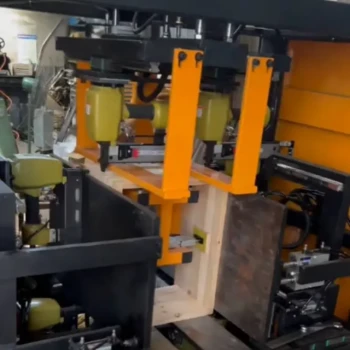
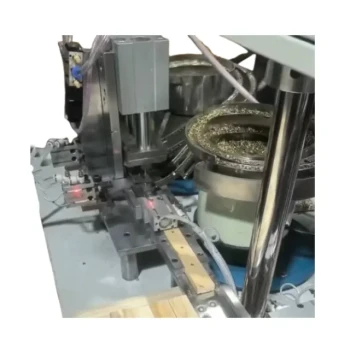
The Bee Box machine operates on a distributed power system consisting of four primary AC motors and one auxiliary DC motor, all orchestrated by a central logic computer. Specifically, it utilizes two 7.5 HP motors for the heavy dado cuts, two 3 HP motors for rabbet and handhold operations, and a small DC motor to position the rabbet cutter.
Core Takeaway The machine uses a robust, multi-motor configuration to handle simultaneous cutting operations. However, operational data indicates the current 7.5 HP motors may be over-engineered, as the cutting load adds negligible stress over the idle draw, suggesting that slightly smaller motors could achieve the same results with greater efficiency.
Detailed Power Configuration
Primary Drive Motors
The machine's heavy lifting is performed by two 7.5 HP motors. These are dedicated to driving the dado heads, which are responsible for cutting the box joints.
Secondary Operation Motors
Complementing the primary drive, two 3 HP motors are utilized for the remaining cuts. These specifically handle the rabbet cuts and the handhold cutting operations.
Auxiliary Actuation
Unlike the cutting motors, the movement mechanism for the rabbet cutter is not hydraulic or pneumatic. Instead, a small DC motor is employed specifically to move the rabbet cutter into position during the cycle.
Operational Load and Efficiency
Idle vs. Active Load
Technical observations regarding the electrical draw have revealed a surprising efficiency. The electrical load placed on the dado heads during the actual cutting process is extremely close to the idle draw.
Potential for Optimization
Because the active load does not spike significantly during operation, the current setup is likely over-powered. Engineers have noted that 5 HP motors would likely be sufficient for the dado heads, offering a potential path for reducing energy consumption and hardware costs in future iterations.
The Control Architecture
Logic Computer Sequencing
A logic computer serves as the central brain of the machine. It is responsible for sequencing the various operations, ensuring that the dado, rabbet, and handhold cuts occur in the correct order without collision.
Cycle Management
The controller maintains the correct cycling of all components. This precise electronic control allows the machine to achieve consistent throughput, capable of handling variable cycle times (e.g., 12 seconds vs. 6.5 seconds) depending on production needs.
Understanding the Trade-offs
Reliability vs. Efficiency
The current use of 7.5 HP motors prioritizes operational reliability. By using motors that far exceed the required torque, the machine virtually eliminates the risk of bogging down or stalling during heavy cuts.
Infrastructure Demands
However, running two 7.5 HP motors alongside two 3 HP motors creates a significant peak power demand. Users must ensure their facility's electrical infrastructure can support the simultaneous start-up and running load of roughly 21+ combined horsepower.
Making the Right Choice for Your Goals
If you are evaluating this machine or planning a similar build, consider the following regarding power and control:
- If your primary focus is absolute reliability: Adhere to the original specification of 7.5 HP motors to ensure the machine never stalls, regardless of wood hardness or feed rate.
- If your primary focus is energy efficiency: Consider downscaling the main drive motors to 5 HP, as the load data suggests this will not compromise cutting performance.
- If your primary focus is automation: Ensure your logic computer is programmable to adjust cycle times, allowing you to toggle between high-speed production and slower, more deliberate pacing.
Successful operation requires balancing raw horsepower with the intelligent sequencing of the control system.
Summary Table:
| Component | Quantity | Specification | Function |
|---|---|---|---|
| Primary Drive Motors | 2 | 7.5 HP (AC) | Dado head box joint cuts |
| Secondary Motors | 2 | 3 HP (AC) | Rabbet and handhold operations |
| Auxiliary Motor | 1 | Small DC | Rabbet cutter positioning |
| Control System | 1 | Logic Computer | Operational sequencing and cycling |
| Total Combined HP | - | 21+ HP | Full operational power draw |
Scale Your Beekeeping Production with HONESTBEE
At HONESTBEE, we specialize in empowering commercial apiaries and distributors with the high-performance machinery needed to stay competitive. Whether you are looking to invest in precision hive-making machines or require a full suite of beekeeping tools and consumables, our team is here to provide the technical expertise and hardware solutions you need.
Our Value to You:
- Comprehensive Wholesale Offering: A one-stop shop for everything from honey-filling machines to honey-themed cultural merchandise.
- Industrial Efficiency: Our machinery is designed for maximum throughput and long-term reliability in commercial environments.
- Tailored Support: We help you navigate complex power requirements and control systems to optimize your production line.
Ready to upgrade your infrastructure? Contact us today to discuss how our wholesale solutions can grow your business!
Related Products
- Automatic High-Speed Bee Hive Box Stapling Machine
- High-Efficiency Pneumatic Bee Hive Making Machine for Rapid Box Assembly
- HONESTBEE Top Bar & Bottom Bar Forming Machine | Bee Frame Machine
- Automatic Pneumatic Bee Frame Machine for Eyelet Insertion
- Professional Bee Frame Machine for Side Bar Shaping
People Also Ask
- How is the Bee Box machine adjusted for different box sizes? Maximize Your Woodworking Versatility and Precision
- How is the Bee Box machine operated? Optimize Your Commercial Hive Production with Scalable Staffing Solutions
- How was the Bee Box machine designed? Industrial Engineering for High-Volume Beekeeping Production
- What is the production capacity of the Bee Box machine? Boost Output up to 1,000 Boxes Daily
- What are the details regarding the tooling and its maintenance on the Bee Box machine? High-Volume Durability Guide