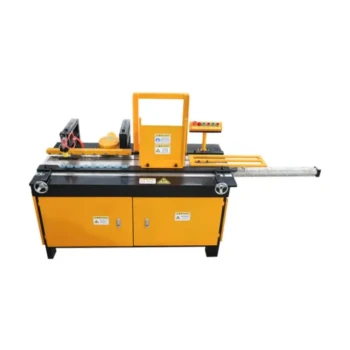
The production capacity of the Bee Box machine is directly determined by its cycle time setting. In a standard 8-hour shift, the machine produces approximately 560 boxes when running at a conservative 12-second cycle. By optimizing the operation to a faster 6.5-second cycle, output increases significantly to roughly 960 boxes per shift, with daily production capabilities reaching up to 1,000 units.
While current configurations allow for nearly 1,000 units daily, the system is designed for flexibility, with future iterations targeting a production rate between 1,400 and 1,500 boxes per shift.
Analyzing Operational Throughput
Cycle Time Impact
The machine’s output is not fixed; it is variable based on the speed of the operation cycle. A standard pace of 12 seconds delivers steady volume, suitable for moderate demand. However, strictly strictly reducing this cycle to 6.5 seconds nearly doubles the throughput.
Real-World Performance
Theoretical numbers must be weighed against actual usage data. In a real-world scenario, a single machine produced approximately 30,000 boxes in just under one year. Note that this specific machine was run "as needed" rather than at maximum continuous capacity, demonstrating reliability over long-term intermittent use.
Future Capacity Targets
The current figures represent the baseline of the machine's capabilities. Development goals aim to push the production rate significantly higher. Engineers are targeting an output of 1,400 to 1,500 boxes per 8-hour shift for future models.
Factors Driving Efficiency
Simultaneous Operations
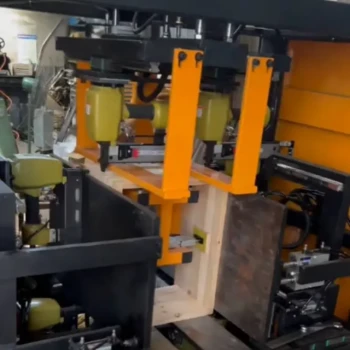
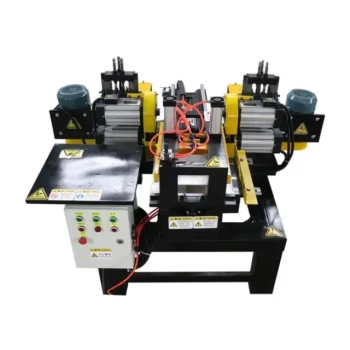
The machine achieves its high throughput by performing multiple cuts at once. It utilizes two 7.5 HP motors for dado heads and two 3 HP motors for rabbet and handhold operations. By cutting both ends of the panel simultaneously, the machine reduces the number of passes required per box.
Tooling Longevity and Downtime
Capacity is often lost to maintenance, but this system demonstrates exceptional tool life. The initial set of cutters on the first unit remained in good condition after producing 30,000 boxes without requiring sharpening. This durability minimizes downtime for tool changes, keeping daily production numbers high.
Automated Logic Control
A logic computer sequences the operations to ensure optimal speed. This automation maintains the correct cycling of components, reducing the likelihood of operator error slowing down the line.
Understanding the Trade-offs
Power vs. Necessity
The machine currently utilizes substantial power, specifically two 7.5 HP motors for the dado heads. Operational data suggests this may be over-engineered, as the electrical load during cutting is close to the idle draw. 5 HP motors may be sufficient, suggesting the current setup sacrifices energy efficiency for guaranteed torque.
Complexity of Setup
High-speed production relies on precise tooling. The machine uses a complex array of dado blades, custom-built handhold cutters, and offset dados. While future versions may use one-piece cutters to simplify setup, the current configuration requires careful alignment to maintain the 6.5-second cycle time.
Chip Management Volume
Producing 1,000 boxes a day generates a massive volume of wood chips. The machine requires a robust, well-designed dust collection system to function. Without adequate waste removal, the high-speed cycle times cannot be sustained due to potential clogging or interference.
Making the Right Choice for Your Goal
Whether you are scaling up production or maintaining a steady supply, the machine offers adjustable parameters to fit your needs.
- If your primary focus is maximum volume: Configure the logic controller for the 6.5-second cycle time to approach the 1,000-box per day limit.
- If your primary focus is accuracy and stability: Utilize the standard 12-second cycle to ensure consistent 560-box output while putting less stress on the dust collection system.
- If your primary focus is long-term ROI: Capitalize on the machine's simultaneous cutting design, which ensures interior dimensions remain true regardless of raw panel variations.
The Bee Box machine offers a scalable solution that balances raw speed with the precision required for consistent manufacturing.
Summary Table:
| Operational Parameter | Standard Cycle | Optimized Cycle | Future Target |
|---|---|---|---|
| Cycle Time | 12 Seconds | 6.5 Seconds | Optimized Logic |
| 8-Hour Shift Output | ~560 Boxes | ~960 Boxes | 1,400 - 1,500 Boxes |
| Max Daily Capacity | ~600 units | ~1,000 units | Up to 1,500 units |
| Key Components | 2x 7.5 HP Motors | Simultaneous Cutting | Logic Controller |
Scale Your Apiary Production with HONESTBEE
Maximize your operational efficiency with professional-grade beekeeping machinery. HONESTBEE specializes in supporting commercial apiaries and distributors with a comprehensive range of wholesale solutions—from high-capacity hive-making and honey-filling machines to essential industry consumables and cultural merchandise.
Whether you are looking to upgrade your workshop with the latest Bee Box machines or need a reliable bulk supplier for specialized hardware, our experts are ready to help you optimize your throughput.
Contact HONESTBEE Today to Request a Quote
Related Products
- Automatic High-Speed Bee Hive Box Stapling Machine
- High-Efficiency Pneumatic Bee Hive Making Machine for Rapid Box Assembly
- HONESTBEE Top Bar & Bottom Bar Forming Machine | Bee Frame Machine
- Automatic Pneumatic Bee Frame Machine for Eyelet Insertion
- Professional Bee Frame Machine for Side Bar Shaping
People Also Ask
- How is the Bee Box machine adjusted for different box sizes? Maximize Your Woodworking Versatility and Precision
- How is the Bee Box machine operated? Optimize Your Commercial Hive Production with Scalable Staffing Solutions
- How was the Bee Box machine designed? Industrial Engineering for High-Volume Beekeeping Production
- What are the power requirements and control system for the Bee Box machine? Optimize Your Apiary Equipment Production
- What are the details regarding the tooling and its maintenance on the Bee Box machine? High-Volume Durability Guide