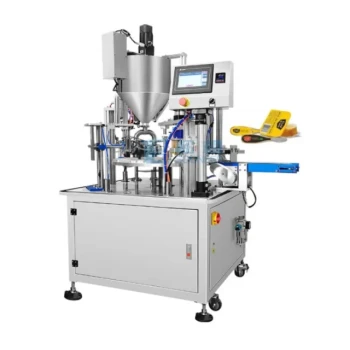
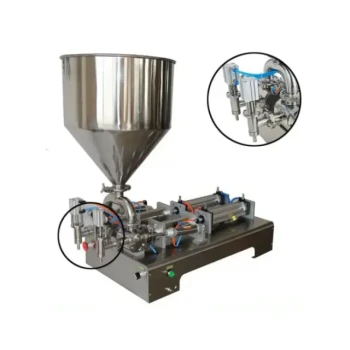
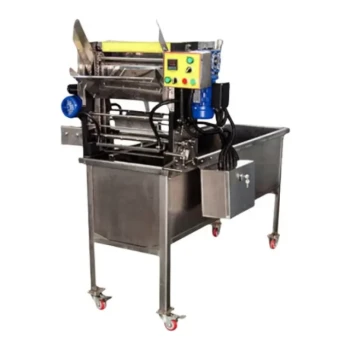
Automated filling and packaging systems are the linchpin for maximizing the market value of bee products. These machines directly contribute to commercial viability by performing standardized measurement and sealing within a strictly sterile environment. This process effectively prevents secondary contamination and preserves the vital volatile aromatic and essential oils found in sensitive products like propolis, ensuring the inventory retains its potency from the apiary to the consumer.
Core Takeaway Automation bridges the gap between raw agricultural production and high-value retail markets. By guaranteeing sterility and precision, machinery transforms sensitive raw materials into stable, premium goods with extended shelf lives and consistent biochemical integrity.
Preserving Chemical Integrity and Potency
The primary commercial value of automation lies in its ability to protect the delicate biochemical composition of bee products.
Protection Against Secondary Contamination
Manual handling introduces significant risks of bacterial or particulate contamination. Automated machines operate in sterile environments, utilizing enclosed filling systems that isolate the product from atmospheric moisture and impurities. This is critical for meeting food safety standards required for formal retail channels.
Retention of Volatile Components
For high-value derivatives like propolis, preserving potency is paramount. Automated sealing occurs rapidly and consistently, preventing the evaporation of volatile aromatic oils and essential oils. This retention of active ingredients directly correlates to the product's therapeutic value and market price.
Control of Biochemical Indicators
Advanced machinery maintains optimal conditions that stabilize chemical markers. By preventing moisture absorption and limiting heat exposure during bottling, automation helps keep Hydroxymethylfurfural (HMF) levels within optimal ranges. This is a non-negotiable requirement for entering high-end markets.
Enhancing Operational Efficiency and Consistency
Beyond preservation, automation standardizes the physical product, turning variable raw output into a reliable commercial commodity.
Standardized Measurement and Dosing
Machines utilize precision metering pumps to perform standardized measurement of net content. This eliminates the weight variances common in manual filling, ensuring every unit meets legal weight specifications. This precision reduces material waste (product loss), directly improving the producer's bottom line.
High-Volume Production Scalability
Automation significantly increases the production efficiency of commercial apiaries. It allows producers to move from small-scale batching to continuous distribution, enabling them to meet the volume demands of large retailers and e-commerce platforms without sacrificing quality.
Elevating Market Positioning and Shelf Life
The visual and physical presentation of the product dictates its perceived value and shelf stability.
Visual Clarity and Presentation
Commercial success relies heavily on consumer perception. Technologies such as vacuum anti-drip designs and constant temperature control prevent crystallization nuclei and air bubbles from forming. This results in a clear, visually appealing product that commands a brand premium.
Extension of Shelf Life
By combining sterile sealing with moisture prevention, automation significantly extends the shelf life of honey and propolis. An extended shelf life reduces spoilage rates in the supply chain and allows for wider geographic distribution.
Access to Premium and Niche Markets
Standardized, hygienic output allows producers to diversify. It enables entry into the cosmetic raw material market (e.g., soaps and lotions) and the high-value stingless bee honey market, where consistent quality is a barrier to entry.
Critical Technical Considerations
While automation offers immense value, it requires careful management of specific operational parameters to avoid degrading the product.
Temperature vs. Viscosity Management
Honey viscosity changes with temperature. While heating facilitates flow, excessive heat destroys enzymes and raises HMF levels. Machines must employ integrated temperature control systems that balance flow rate with thermal protection to avoid damaging the product's biological properties.
Maintenance of the Sterile Enclosure
The value of an "enclosed filling environment" is lost if the machine is not maintained. Rigorous hygiene protocols must be applied to the machinery itself to prevent the equipment from becoming a source of cross-contamination.
Making the Right Choice for Your Goal
To maximize your return on investment, align your automation strategy with your specific product targets.
- If your primary focus is Propolis or Therapeutic Products: Prioritize machines with enclosed sealing and minimal air exposure to maximize the retention of volatile essential oils.
- If your primary focus is High-End Retail Honey: Look for systems with vacuum anti-drip features and bubble removal to ensure the highest visual clarity and premium shelf presence.
- If your primary focus is Large-Scale Distribution: Select machinery with high-precision dosing and robust throughput capabilities to minimize waste and ensure weight compliance across large batches.
Ultimately, automated packaging is not just a logistical tool; it is a preservation technology that secures the biological and financial value of your harvest.
Summary Table:
| Feature | Commercial Benefit | Technical Impact |
|---|---|---|
| Sterile Enclosure | Prevents secondary contamination | Meets global food safety standards |
| Precision Dosing | Minimizes product waste | Ensures legal weight compliance |
| Rapid Sealing | Preserves volatile oils/potency | Maintains therapeutic value of propolis |
| Temp. Control | Prevents crystallization | Stabilizes HMF levels and enzyme activity |
| High Throughput | Enables retail scalability | Facilitates entry into mass markets |
Transform Your Apiary into a High-Value Commercial Brand
At HONESTBEE, we specialize in bridging the gap between raw production and premium retail success. Whether you are a commercial apiary or a global distributor, our comprehensive wholesale solutions are designed to elevate your brand.
Why partner with HONESTBEE?
- Precision Machinery: From advanced hive-making to vacuum honey-filling machines that prevent bubbles and crystallization.
- Complete Supply Chain: Access a full spectrum of beekeeping tools, essential industry consumables, and honey-themed cultural merchandise.
- Industry Expertise: We provide the hardware and knowledge needed to preserve the chemical integrity of sensitive products like propolis.
Ready to scale your production and capture high-end markets? Contact our experts today to build your customized equipment suite!
References
- Dilek Kabakcı. An Overview on the Effects of Propolis Administration in Different Branches of Livestock Production. DOI: 10.51458/bstd.2022.27
This article is also based on technical information from HonestBee Knowledge Base .
Related Products
- Precision Automated Packaging Turntable Honey Spoon Filling Sealing Packing Machine
- Fully Automatic Honey Filling Packaging Machine for Processing Line
- Automatic Single-Dose Snap & Squeeze Honey Sachets Packing Machine
- Automatic Honey Filling and Filtering Machine for Beekeeping Bottle Filling
- Precision Durable Efficient HONESTBEE Rotary Honey Filling Machine
People Also Ask
- Why is the use of professional filling and sealing packaging machinery necessary for the production of high-value honey?
- What role do automated filling and packaging machines play in the honey supply chain? Scale Your Retail Distribution
- What are the benefits of automated honey filling and packaging? Scale Your Apiary with Industrial Precision
- What role do professional automated filling and packaging machines play in honey processing? Boost Efficiency & Value
- How do automated honey filling and packaging machines contribute to the market value of honey products? Maximize Your ROI