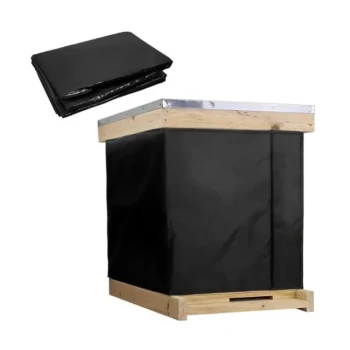
Beehive insulation materials function as a critical energy management tool. By helping the colony maintain a constant core temperature of approximately 35 degrees Celsius, these materials drastically reduce the caloric burden on worker bees during volatile spring weather. This thermal stability allows the colony to pivot from survival-based heating to growth-focused activities like foraging and brood expansion.
Insulation does not just trap heat; it acts as a force multiplier for colony efficiency. By stabilizing the internal microclimate, insulation frees up vital energy reserves, directly accelerating colony development during critical early flowering periods.
The Mechanics of Thermal Regulation
Stabilizing the Internal Microclimate
Early spring weather is notoriously unstable, with temperature fluctuations that can stress a colony. Internal insulation boards or external covers create a protective buffer against these rapid changes. This ensures the hive's core remains at the optimal 35 degrees Celsius required for survival and productivity.
Reducing Metabolic Cost
Without insulation, worker bees must consume honey stores and vibrate their wing muscles to generate heat. This process requires significant energy expenditure. Effective insulation acts as a passive barrier, minimizing heat loss and reducing the active work required for thermoregulation.
From Survival to Expansion
Accelerating Brood Rearing
The energy saved on heating is immediately redirected toward brood expansion. A stable, warm environment is non-negotiable for the development of larvae. Insulation ensures that the colony can sustain a larger brood nest even when external temperatures drop overnight.
Optimizing Foraging Efficiency
When fewer bees are required to stay behind and heat the hive, more workers are available for foraging. This allows the colony to capitalize on early flowering periods. The influx of fresh pollen and nectar further fuels the rapid growth of the colony.
Understanding the Trade-offs
The Risk of Moisture Buildup
While retaining heat is vital, optimized sealing can sometimes lead to condensation issues. If the hive is insulated without adequate ventilation, moisture from bee respiration can accumulate. Wet insulation loses its effectiveness and can create a chilling effect that is dangerous to the colony.
Overheating in Late Spring
As the season progresses and ambient temperatures rise, heavy insulation can become a liability. If not removed or adjusted in a timely manner, the hive may overheat. This forces bees to expend energy cooling the hive, negating the early spring benefits.
Making the Right Choice for Your Goal
To maximize colony health, you must balance thermal retention with airflow.
- If your primary focus is Rapid Brood Expansion: Prioritize high-quality internal insulation boards to maintain the strict 35°C requirement for larvae.
- If your primary focus is Resource Conservation: Ensure the hive has external covers and proper sealing to minimize the honey consumption required for heating.
Properly insulated hives turn early spring energy savings into explosive colony growth.
Summary Table:
| Key Factor | Impact on Colony Growth | Critical Management Detail |
|---|---|---|
| Thermal Stability | Maintains 35°C core temp for brood survival | Monitor for late-spring overheating |
| Energy Conservation | Reduces honey consumption; saves bee metabolic energy | Requires proper ventilation to avoid moisture |
| Labor Allocation | Frees up worker bees from heating to foraging | Shift focus to early nectar and pollen collection |
Scale Your Apiary Operations with HONESTBEE
To maximize the health and productivity of your colonies, you need professional-grade equipment that delivers results. HONESTBEE caters specifically to commercial apiaries and distributors, providing a comprehensive wholesale offering designed for growth.
Our portfolio ranges from high-precision hive-making and honey-filling machines to a full spectrum of beekeeping tools, machinery, and essential consumables. Whether you are expanding your infrastructure or sourcing high-quality beekeeping hardware, our expertise ensures your operation remains efficient and profitable.
Ready to optimize your supply chain? Contact HONESTBEE today to discuss our wholesale solutions!
References
- İbrahim Çakmak. TÜRKİYE’DE ARICILIK VE GÜNCEL KOLONİ KAYIPLARI. DOI: 10.31467/uluaricilik.379276
This article is also based on technical information from HonestBee Knowledge Base .
Related Products
- Professional Insulated Plastic Bee Hives
- Professional Insulated Winter Hive Wrap for Beekeeping
- Inner Beehive Cover for Beekeeping Bee Hive Inner Cover
- Stainless Steel Round Beehive Air Vents for Ventilation
- Metal Hive Feet Bee Hive Stand for Ant Protection
People Also Ask
- What are the advantages of plastic bee hives? Boost Efficiency & Durability for Your Apiary
- Are plastic bee hives any good? Unlock Durability & Efficiency for Your Apiary
- How do plastic bee hives compare to wooden hives in handling? Reduce Strain & Boost Efficiency
- Are plastic bee hives good? Durable, Low-Maintenance Hives for Modern Apiaries
- What are the disadvantages of plastic beehives? Key Operational and Environmental Risks Exposed