Beeswax candles offer superior performance compared to traditional paraffin-based options, primarily defined by a longer burn time, a naturally pleasant aroma, and greater physical stability. While paraffin serves as a conventional standard, beeswax provides a cleaner burn and a unique, warm quality of light that synthetic alternatives struggle to replicate.
Core Insight: Beeswax is not just a natural alternative; it is a high-performance material distinguished by a high melting point and inherent fragrance. It is the ideal choice when environmental stability, air quality, and burn longevity are the priority over cost or mass availability.
Analyzing Performance and Burn Characteristics
Longevity and Burn Time
Beeswax naturally burns longer than paraffin. The density and chemical composition of solid beeswax allow for extended illumination, making it a more efficient fuel source over time.
However, the construction of the candle matters. While solid poured beeswax excels in longevity, rolled beeswax candles—made from honeycomb sheets—will burn faster because they are not a solid block of fuel.
The Quality of Light and Air
Beeswax is renowned for its clean burn. Unlike paraffin, which can produce soot and chemical byproducts, beeswax burns cleanly, contributing to better indoor air quality.
The light emitted is often described as "warm," creating a distinct ambiance. This makes beeswax particularly popular for religious ceremonies and settings where atmosphere is paramount.
Natural Aromatic Profile
A distinct advantage of beeswax is its natural fragrance. It releases unique aromatic compounds during combustion without the need for artificial additives.
Paraffin candles typically rely on added synthetic oils to produce scent. In contrast, beeswax offers a subtle, sweet aroma derived directly from the raw material.
Physical Properties and Stability
Thermal Resistance
Beeswax possesses a high melting point, a critical technical advantage over paraffin.
This characteristic ensures that the candles remain stable and do not warp, even when burning in hot tropical climates or warm environments. This structural integrity makes them a reliable choice where softer waxes might fail.
Production Variations
Beeswax candles generally come in two forms: poured and hand-rolled.
Poured candles involve melting filtered, unbleached wax into molds, resulting in a solid, long-burning product.
Hand-rolled candles use beeswax sheets patterned with honeycombs wrapped around a wick. These offer a unique aesthetic and simple elegance but possess different burn rates than their solid counterparts.
Understanding the Trade-offs
Density vs. Burn Speed
It is vital to distinguish between solid and rolled beeswax. While the material itself is long-burning, the air pockets in rolled candles accelerate the burning process compared to solid dipped or poured candles.
Material Consistency
Beeswax is a natural agricultural product. Consequently, there may be slight variations in color and scent depending on the purity of the unbleached wax used, whereas paraffin offers uniform, chemically consistent production.
Making the Right Choice for Your Goal
To select the correct candle type, assess your specific environment and lighting requirements.
- If your primary focus is longevity and stability: Choose solid poured beeswax, as its high melting point and density ensure the longest burn time and resistance to heat.
- If your primary focus is aesthetic and natural ambiance: Choose rolled beeswax candles, which offer a unique honeycomb visual and natural scent, even though they burn faster than solid blocks.
- If your primary focus is standard utility: Traditional paraffin remains a functional option, though it lacks the air quality benefits and natural durability of beeswax.
Ultimately, beeswax represents a shift from disposable utility to high-quality, atmospheric lighting.
Summary Table:
| Feature | Beeswax (Poured) | Paraffin Candles | Benefits of Beeswax |
|---|---|---|---|
| Burn Time | Longest / Highest Density | Standard / Faster | Cost-effective over time |
| Air Quality | Clean / No Soot | Potential Soot/Chemicals | Ideal for indoor environments |
| Melting Point | High (Stable in Heat) | Low (Prone to Warping) | Superior in tropical climates |
| Aroma | Natural Honey Scent | Synthetic Fragrances | Pure, chemical-free fragrance |
| Light Quality | Warm, Distinct Ambiance | Standard | Enhanced atmosphere for events |
Elevate Your Product Line with Premium Beeswax Solutions
Are you looking to supply your customers with high-performance, natural candle materials? HONESTBEE specializes in catering to commercial apiaries and distributors with a comprehensive wholesale selection.
From raw unbleached wax and specialized honeycomb sheets to professional beekeeping tools and machinery, we provide everything you need to scale your production. Our portfolio includes specialized hardware like hive-making and honey-filling machines, ensuring you have the industrial-grade equipment to succeed.
Ready to source superior beekeeping supplies and equipment? Contact us today to explore our wholesale catalog!
Related Products
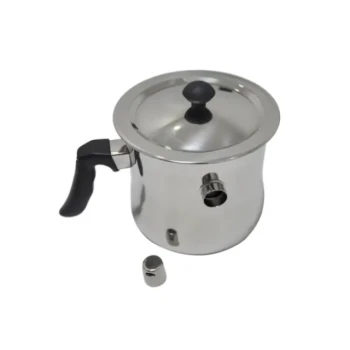
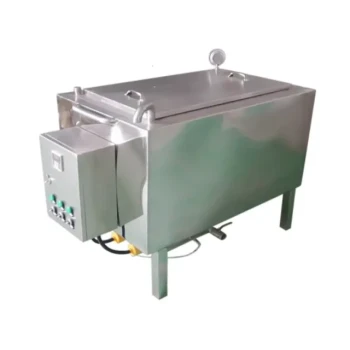
- Beeswax Melter for Candle Making Honey Bee Wax Melter
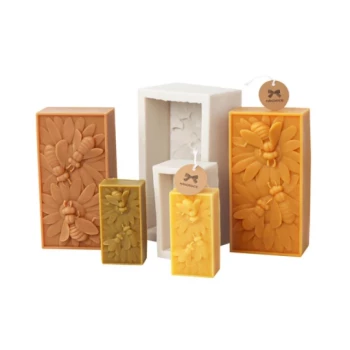
- 3D Square Honeycomb Pillar Silicone Candle Molds for Making Beeswax Candles
- 3D Beehive Silicone Skep Wax Candle Molds for Candles
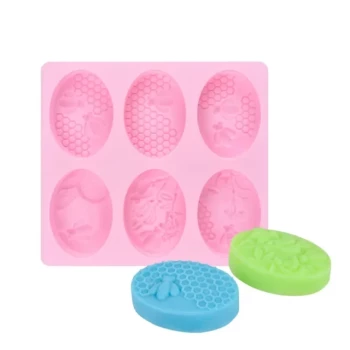
- Bee Floral Relief Silicone Mold for Artisan Soap Candle Making
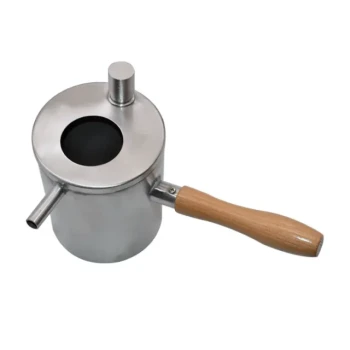
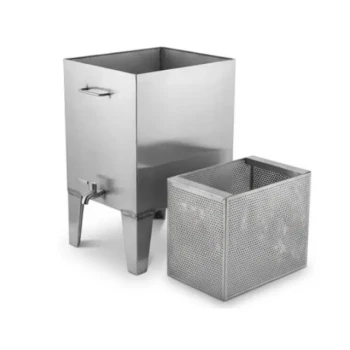
- Professional Stainless Steel Wax Melter for Beekeeping and Crafts
People Also Ask
- What is the best way to melt beeswax? Safely Preserve Quality with Indirect Heat
- What is the best way to melt beeswax? Use a Solar Wax Melter for Simple, Pure Results
- What types of beeswax melters are available for beekeepers? Choose the Right One for Your Operation
- What safety precautions should be taken when melting beeswax? A Guide to Flammable Wax Handling
- What types of beeswax melters are available for different scales of beekeeping? Solar vs. Electric Melters Compared