Material choice is the primary determinant of success in queen rearing. In artificial systems, high-purity beeswax offers the highest natural acceptance due to its bio-affinity, while plastic cups can reach a 90% acceptance rate only when treated with high-quality wax coatings. Conversely, paraffin wax is biologically unsuitable, frequently resulting in zero emergence and high larval mortality.
Core Takeaway: For professional distributors and large-scale apiaries, sourcing high-purity beeswax or premium-coated plastic is non-negotiable; while plastic offers industrial consistency, the biological success of the hive depends entirely on the quality and purity of the wax interface.
The Superiority of Beeswax in Queen Rearing
Bio-Affinity and Natural Recognition
Beeswax is the "gold standard" because its physicochemical properties perfectly mimic the natural hive environment. Nurse bees recognize the material immediately, which minimizes the rejection of transferred larvae.
The Impact of Wax Age and Purity
Research indicates that queen cell cups made from natural old comb beeswax exhibit even higher bio-affinity than new wax. This leads to significantly higher larval acceptance and more robust queen emergence.
Risks of Contamination
The purity of the beeswax foundation is a decisive factor in larval survival. Foundations containing high proportions of paraffin (such as 40%) significantly reduce survival rates and weaken the colony's ability to handle external stressors.
Plastic Materials: Consistency vs. Acceptance
Industrial Consistency and Scalability
Plastic queen cups are favored by large-scale operations because they offer high consistency in specifications. This uniformity allows for standardized rearing protocols and easier mechanical handling during the grafting process.
The Necessity of Wax Priming
While plastic is durable, its raw acceptance rate is inferior to wax. To achieve an optimal 90% acceptance rate, plastic components must be treated with specific priming substrates or a heavy beeswax coating.
Premium Coating Strategies
B2B buyers often prefer "double-waxed" or "triple-waxed" plastic foundations. Although sold at a premium, these products stimulate the bees' wax-producing glands, leading to faster comb building and higher larval success.
The Failure of Paraffin in Artificial Rearing
Biological Incompatibility
Paraffin wax is fundamentally unsuitable for queen rearing because its chemical signature does not align with honeybee recognition mechanisms. This misalignment causes nurse bees to ignore or remove larvae placed in paraffin-based cups.
Impact on Emergence Rates
Studies show that using paraffin results in extremely low acceptance and zero emergence rates. It fails to provide the necessary nursery environment, making it a "red flag" material for professional apiary suppliers.
Understanding the Trade-offs
Cost vs. Biological Performance
Plastic is cost-effective and durable but requires additional labor or cost for wax coating to be effective. Pure beeswax is more expensive and fragile but yields the highest biological returns without chemical risks.
Long-Term Environmental Impact
Plastic feeders and components can degrade over time due to UV exposure and mechanical wear. This can introduce microplastics into the hive, a growing concern for honey purity and long-term colony health.
Sourcing and Quality Control
The biggest pitfall for wholesalers is sourcing "beeswax" that has been adulterated with paraffin. This hidden contamination can lead to catastrophic queen rearing failures for the end-user, damaging the distributor's reputation.
Making the Right Choice for Your Inventory
Choosing the right material depends on your clients' specific operational goals and their commitment to biological purity.
- If your primary focus is high-volume industrial efficiency: Stock premium plastic queen cups and foundations that feature verified "double" or "triple" beeswax coatings to ensure high acceptance rates.
- If your primary focus is premium biological success and queen health: Prioritize high-purity, paraffin-free beeswax cups and foundations, as these provide the most natural and stress-free environment for larvae.
- If your primary focus is sustainability and risk mitigation: Avoid any products containing paraffin additives and transition toward high-grade plastic or pure wax to prevent microplastic and chemical contamination.
By aligning material quality with the biological needs of the hive, distributors can ensure superior emergence rates and long-term customer loyalty.
Summary Table:
| Material | Acceptance Rate | Key Characteristics | Best For |
|---|---|---|---|
| Pure Beeswax | Highest | Bio-affinity; mimic natural hive environment | Premium queen health & survival |
| Coated Plastic | Up to 90% | Industrial consistency; durable & scalable | Large-scale commercial operations |
| Paraffin Wax | Near Zero | Biologically incompatible; high mortality | Not recommended for rearing |
Scale Your Success with HONESTBEE – The Professional’s Choice
Maximize your profit margins and ensure colony success with HONESTBEE, your premier partner for one-stop beekeeping sourcing. We cater specifically to commercial apiaries and B2B distributors, offering a comprehensive portfolio from high-purity beeswax consumables to specialized honey-filling machinery and hive-making equipment.
Why partner with us?
- Deep Industry Expertise: Our products are designed for high acceptance and emergence rates.
- Rapid Fulfillment: Benefit from ultra-fast delivery and dedicated customer service.
- Wholesale Excellence: We provide premium trading services, including OEM/ODM support and certified quality reliability for distributors.
Ready to elevate your inventory? Contact us today to explore our full-spectrum wholesale offerings!
References
- Assessment of Priming Media and Queen Cup Materials in Grafting Techniques for Enhancing Queen Rearing Success. DOI: 10.17756/jfcn.2025-s1-003
This article is also based on technical information from HonestBee Knowledge Base .
Related Products
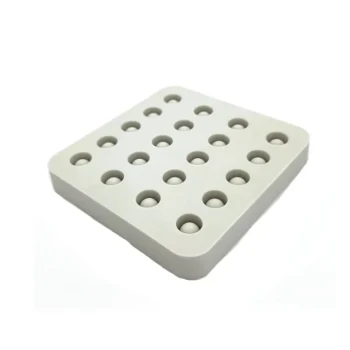
- High-Efficiency 20-Cell Silicone Mold for Beeswax Bee Queen Cup Production
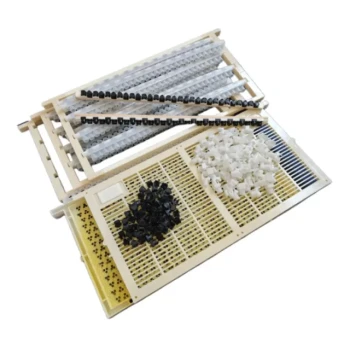
- Premium Nicot Style Queen Rearing Kit with Hair Roller Bee Cages
- Nicot Queen Rearing Kit for Beekeeping and Grafting in Nicot System
- Plastic Chinese Queen Grafting Tool for Bee Queen Rearing
- Retractable Chinese Queen Rearing Grafting Tools Equipment
People Also Ask
- What is the first tip for pouring beeswax into a silicone mold? Ensure a Perfect Release
- What are the technical advantages of using precision silicone molds for the manufacturing of beeswax queen cups? - Scale
- How do beeswax queen cell cups function? Optimize Queen Rearing with Biological Mimicry
- What is the biological function of beeswax queen cell cups? Boost Acceptance in Artificial Queen Rearing
- What are the advantages of using tapered wooden dowels for queen cups? Boost Rearing Consistency & Acceptance