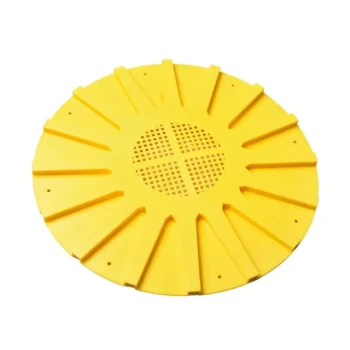
Dividing boards act as critical thermal regulators by physically reducing the internal volume of the hive to align with the colony's actual population. By eliminating excess empty space, these boards allow the colony to generate and retain heat with significantly higher efficiency. This preservation of warmth prevents the dangerous temperature drops that result in chilled brood, thereby cutting off the pathway for various bacterial and fungal diseases to take hold.
Core Insight: Disease prevention in apiculture is inextricably linked to thermal stability. Dividing boards facilitate "compact beekeeping," a practice that treats hive volume as a variable resource to maintain the high temperatures required to suppress cold-weather pathogens.
The Mechanics of Compact Beekeeping
Matching Volume to Population
The fundamental function of a dividing board is to enable compact beekeeping. This method rejects the idea of a fixed hive size in favor of a dynamic environment.
By inserting the board, you adjust the hive's internal dimensions. This ensures the physical space strictly matches the current size of the bee colony.
Eliminating Thermal Inefficiency
When a small colony attempts to inhabit a large box, they waste vital metabolic energy trying to heat dead air space.
A dividing board acts as a movable wall, sequestering the bees in a smaller zone. This allows the colony to efficiently generate and retain heat without battling the thermal loss associated with empty frames.
Thermal Stability as a Health Barrier
Preventing Chilled Brood
The primary catalyst for many hive diseases during cold seasons is a condition known as chilled brood.
If the brood nest temperature fluctuates or drops below a critical threshold, developing larvae are compromised. Dividing boards maintain a consistent thermal envelope, ensuring the brood remains at the optimal temperature for development.
Blocking Bacterial and Fungal Vectors
Chilled brood does not just result in larval death; it creates a breeding ground for infection.
Cold, stressed larvae are highly susceptible to pathogens. By stabilizing the nest temperature, dividing boards prevent the environmental conditions necessary for bacterial and fungal diseases to establish themselves within the colony.
Understanding the Trade-offs
The Necessity of Active Management
While dividing boards are effective, they require vigilance. They are not a passive tool.
As the colony expands in the spring, the beekeeper must adjust the board to increase volume. Failing to do so can lead to overcrowding, which introduces a different set of stress factors that may negatively impact colony health.
Optimizing Your Hive Management
To effectively use dividing boards for disease prevention, assess your current colony status:
- If your primary focus is overwintering weak colonies: Aggressively reduce the hive volume to the smallest area the bees can cover to maximize heat retention.
- If your primary focus is early spring development: Use the board to eliminate cold corners, ensuring the colony does not expend energy heating space that does not contain brood.
By controlling space, you control temperature, providing your bees with the environmental stability they need to defend themselves against disease.
Summary Table:
| Feature | Function in Disease Prevention | Impact on Colony Health |
|---|---|---|
| Space Reduction | Eliminates "dead air" and excess volume | Minimizes metabolic energy waste for heating |
| Thermal Stability | Prevents temperature drops (chilled brood) | Maintains optimal environment for larval development |
| Compact Nesting | Concentrates bee population in one area | Enhances natural defense against bacterial/fungal vectors |
| Dynamic Adjustment | Adapts hive size to current population | Reduces stress factors during winter and early spring |
Elevate Your Beekeeping Operations with HONESTBEE
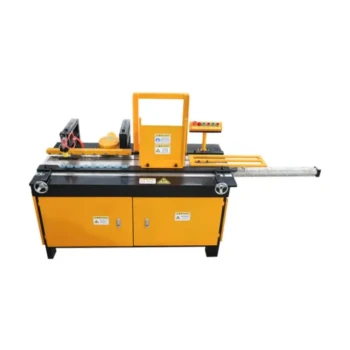
Maintaining the perfect thermal environment is critical for large-scale colony health and productivity. At HONESTBEE, we specialize in supporting commercial apiaries and distributors with a comprehensive range of high-quality beekeeping tools and equipment. From precision-engineered dividing boards and hardware to advanced honey-filling machines, our wholesale offerings are designed to streamline your operations and maximize yields.
Whether you are expanding your distribution network or upgrading your commercial hives, our team provides the essential hardware and industry consumables you need to succeed. Contact us today to discover how our tailored equipment solutions can strengthen your colonies and grow your business.
References
- Mehmet Karasu, Aşkın Yaşar. Bee Diseases, Treatments, and Prevention in the Folklore of the Ordu-Giresun Region in Türkiye. DOI: 10.59277/jef.2024.1-2.07
This article is also based on technical information from HonestBee Knowledge Base .
Related Products
- Langstroth Solid Bottom Board for Beekeeping
- Solid Bottom Board Australian Pine Wood Langstroth Bottom Board for Wholesale
- HONESTBEE Professional Frame Wiring Board and Jig
- HONESTBEE Wooden Bee Escape Board with Triangle Mesh Design for Beekeeping
- Efficient Hive Clearing: HONESTBEE 8-Way Plastic Bee Escape
People Also Ask
- What are the functions of solid bottom boards for a beehive? Essential Thermal Protection and Winter Survival Tips
- What is the purpose of a solid bottom board for bee hives? Enhance Hive Health and Winter Survival
- How does climate influence the choice between a solid and screened bottom board? Optimize Your Hive for Local Weather
- What is the primary function of a bottom board in a modern modified beehive system? Essential Foundation Guide
- What are the characteristics of a solid bottom board for a beehive? Boost Colony Health and Thermal Insulation