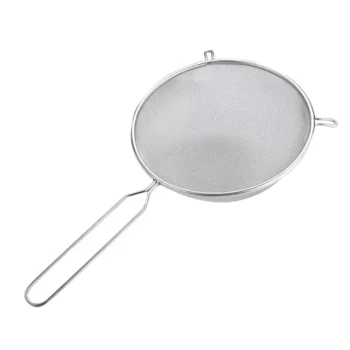
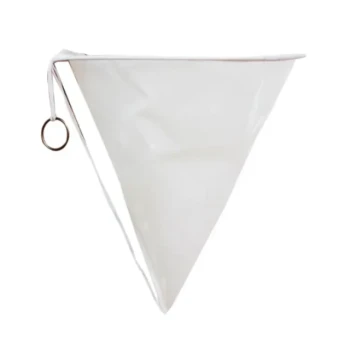
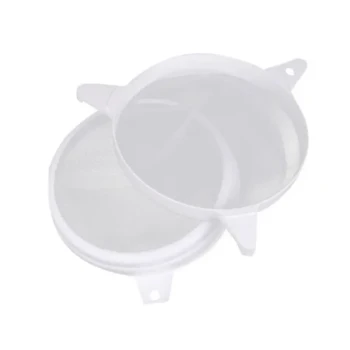
Filtration and clarification act as the defining bridge between raw agricultural harvest and retail-ready consumer goods. By using professional equipment to systematically remove wax debris, bee parts, and suspended impurities, producers eliminate the foreign textures and smoke odors often found in traditional harvesting. This transformation allows refined honey to meet the strict visual and sensory requirements of high-end supermarkets, enabling it to compete directly with standardized imported products.
The distinction between a hobbyist product and a commercial brand often lies in processing. While the raw material may be identical, filtration ensures the visual clarity, consistency, and stability required to secure shelf space in major retail channels.
The Mechanics of Sensory Appeal
To compete in a crowded market, honey must first appeal to the consumer's eye and palate.
Enhancing Visual Clarity
Unfiltered honey often appears cloudy due to suspended particles. Professional filtration removes these impurities, resulting in a crystal-clear product that consumers associate with purity and high quality. This transparency is a prerequisite for entry into premium retail environments.
Refining Texture and Aroma
Traditional harvesting can leave behind residual smoke odors from the hive or gritty textures from wax and debris. Clarification processes eliminate these defects. The result is a smooth, pleasant mouthfeel and a clean aroma, which are critical for encouraging repeat purchases.
Standardization for Retail Viability
Large-scale buyers, such as supermarket chains, require products that are uniform across every batch.
Eliminating Variability
Raw honey varies significantly from hive to hive. Filtration and processing equipment allow producers to homogenize these batches, ensuring consistent color and viscosity. This standardization provides the reliability that retailers demand before stocking a product.
Competing with Global Imports
Imported honey products generally undergo rigorous processing to ensure uniformity. To compete, domestic producers must use similar filtration technologies to match this level of refinement. This levels the playing field, preventing local products from being perceived as "lower grade" due to physical inconsistencies.
Stability and Shelf Life
Competitiveness is also determined by how well the product survives storage and transport.
Preventing Spoilage and Fermentation
Advanced processing often includes vacuum dehydration and moisture control. By reducing water content and removing organic debris (which can act as a catalyst for spoilage), these systems prevent fermentation. This ensures the honey remains safe and stable over long periods.
Facilitating Logistics
Clean, stable honey is easier to package, transport, and store. By removing physical impurities that could clog machinery or degrade faster, producers ensure their inventory maintains its quality during international shipping or long-term warehousing.
Understanding the Trade-offs
While filtration boosts marketability, it requires a delicate balance to avoid degrading the product's biological value.
The Risk to Active Enzymes
Aggressive filtration or excessive heating can destroy the natural enzymes and nutrients that make honey valuable. True competitiveness requires precision: removing physical impurities without overheating the honey.
Balancing Clarity with "Raw" Appeal
High-precision filtration creates a supermarket-friendly product, but it may alienate niche consumers looking for "raw" or "unprocessed" honey. Producers must decide if their target market values absolute transparency or biological integrity more highly.
Making the Right Choice for Your Goal
The level of filtration you implement should align with your specific target market.
- If your primary focus is High-End Retail and Supermarkets: Prioritize high-precision filtration and clarification to ensure absolute visual transparency, shelf stability, and the elimination of all foreign textures.
- If your primary focus is the Wellness or Artisanal Market: Utilize minimal filtration that removes only gross debris (wax/bee parts) while strictly controlling temperature to preserve enzymes and pollen, marketing the "raw" nature of the product.
Ultimately, filtration is not just about cleaning honey; it is a strategic tool for positioning your product to meet specific consumer expectations and international standards.
Summary Table:
| Competitive Factor | Impact of Filtration & Clarification | Market Advantage |
|---|---|---|
| Visual Appeal | Removes wax, debris, and cloudiness | Meets high-end retail standards |
| Sensory Quality | Eliminates smoke odors and gritty textures | Enhances consumer repeat purchases |
| Consistency | Homogenizes batches for uniform color/viscosity | Builds brand reliability for supermarkets |
| Shelf Life | Removes organic catalysts for spoilage | Reduces fermentation risks during logistics |
| Market Access | Matches quality of standardized global imports | Levels the field against international brands |
Scale Your Honey Production with HONESTBEE
At HONESTBEE, we specialize in empowering commercial apiaries and honey distributors with the professional tools needed to dominate the global market. Whether you are looking to achieve supermarket-grade clarity or preserve the integrity of artisanal raw honey, our comprehensive wholesale offering has you covered.
Our value to you includes:
- Precision Machinery: High-efficiency honey-filling and filtration systems designed for consistency.
- Turnkey Solutions: From specialized hive-making hardware to honey-themed cultural merchandise.
- Reliable Supply: A full spectrum of beekeeping tools and essential industry consumables.
Ready to transform your raw harvest into a premium, retail-ready brand? Contact our experts today to explore our wholesale equipment solutions!
References
- R. B. Jones. Beekeeping Around the World. DOI: 10.1080/0005772x.2000.11099467
This article is also based on technical information from HonestBee Knowledge Base .
Related Products
- Electric Double Wall Honey Filtering Machine Purifier Equipment for Honey Processing Plant
- Professional Stainless Steel Honey Filtering Machine with Water Bath Heating for Beekeeping
- Honey Concentrating and Filtering Dehumidifier Machine 2T Capacity for Honey
- 0.5T Capacity Honey Dehumidifier Dryer with Vacuum Heating and Thickening Filtering Machine
- Professional Stainless Steel Honey Filter with Support Handle
People Also Ask
- What is the process of filtering honey? A Guide to Clean, Pure, and Market-Ready Honey
- What types of equipment are used in honey filtering? Build an Efficient System for Pure, Marketable Honey
- What is the overall importance of using the right equipment in honey filtering? Boost Quality & Marketability
- How should honey filtering equipment be properly maintained? Extend Equipment Life & Protect Honey Purity
- What role do professional honey harvesting and filtering equipment play in meeting honey market quality standards? Boost ROI