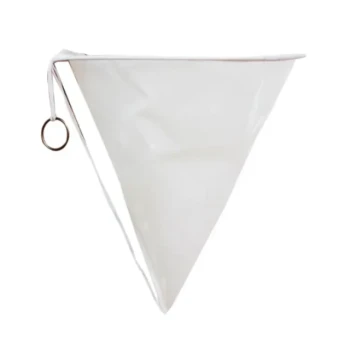
Filtration and sedimentation serve as the fundamental purification stages that bridge the gap between raw extraction and final packaging. Filtration equipment mechanically removes larger physical impurities such as wax debris immediately after centrifugation, while sedimentation tanks rely on gravity to naturally separate fine particles and trapped air bubbles.
By combining mechanical separation with static gravity settling, these systems transform cloudy, debris-filled raw honey into a clear, transparent product. This dual process ensures commercial hygiene standards are met while preserving the honey's visual appeal and market value.
The Mechanics of Purification
Removing Macroscopic Debris
Raw honey fresh from a centrifuge is inevitably filled with foreign matter. Specialized filtration devices are the first line of defense, designed specifically to catch and remove larger physical impurities.
This step primarily targets wax cappings and coarse debris introduced during the extraction process. By removing these solids early, the equipment prevents blockages in downstream machinery and establishes a baseline level of purity.
Clarification Through Specific Gravity
Filtration alone cannot remove everything; microscopic particles and air bubbles often pass through standard screens. Static sedimentation addresses this by utilizing the natural difference in specific gravity between honey and its impurities.
In a settling tank, the honey remains static, allowing lighter materials—specifically tiny air bubbles and fine wax fragments—to float to the surface. This creates a distinct separation layer that can be skimmed off, leaving the underlying honey clear and transparent.
Enhancing Visual Appeal
The combined effect of filtration and sedimentation is essential for consumer acceptance.
Cloudy honey containing suspended air or debris is often perceived as lower quality. By achieving high transparency through these methods, producers significantly increase the commercial value of the finished product.
Ensuring Hygiene and Safety
The Role of Food-Grade Materials
The equipment used for these processes plays a direct role in maintaining chemical safety. The primary reference emphasizes the necessity of using food-grade containers for the sedimentation process.
Using non-reactive, food-safe materials prevents chemical leaching and contamination during the settling period. This ensures the honey meets strict commercial hygiene standards required for retail distribution.
Preparing for Closed-System Packaging
While filtration cleans the honey, it also prepares it for the high-precision filling machines mentioned in broader industry contexts.
Effective sediment removal ensures that the honey flows consistent through automated valves and nozzles without causing mechanical blockages. This seamless transition from processing to packaging helps maintain a closed, sanitary environment, reducing the risk of external contamination.
Understanding the Trade-offs
Clarity vs. Botanical Integrity
While aggressive filtration produces crystal-clear honey, it poses a risk of removing beneficial elements.
If filtration screens are too fine, they may filter out pollen grains, which are essential for verifying the botanical origin of the honey. The goal is to remove wax and debris while leaving the pollen distribution intact to maintain the honey's authenticity.
Processing Speed vs. Quality
Sedimentation is a passive process that requires time.
Rushing this stage to increase throughput can result in trapped air bubbles remaining in the final jar. Producers must balance the need for production speed with the necessary "settling time" required to achieve full transparency.
Making the Right Choice for Your Goal
To optimize your honey processing line, align your equipment settings with your specific market objectives:
- If your primary focus is Visual Appeal: Prioritize extended sedimentation times to ensure total removal of micro-bubbles for a glass-like finish.
- If your primary focus is Botanical Authenticity: Use coarser filtration mesh settings that catch wax debris but allow natural pollen grains to pass through.
- If your primary focus is Hygiene Compliance: Ensure all sedimentation tanks are certified food-grade stainless steel to eliminate contamination risks during static holding periods.
Quality processing is not just about removing dirt; it is about refining the product to meet commercial expectations without stripping away its natural character.
Summary Table:
| Process Stage | Primary Function | Impurities Removed | Impact on Quality |
|---|---|---|---|
| Filtration | Mechanical separation | Wax cappings, bee debris, coarse solids | Prevents downstream blockages; ensures baseline purity |
| Sedimentation | Gravity-based settling | Micro-bubbles, fine wax fragments | Achieves high transparency and a glass-like finish |
| Food-Grade Storage | Chemical safety | Potential leachates, external pollutants | Ensures compliance with commercial hygiene standards |
| Pollen Management | Selective screening | Excess solids (while retaining pollen) | Maintains botanical authenticity and honey origin |
Elevate Your Honey Production with HONESTBEE
At HONESTBEE, we specialize in empowering commercial apiaries and distributors with professional-grade honey processing solutions. From high-efficiency filtration systems and food-grade sedimentation tanks to advanced honey-filling machines, our comprehensive wholesale offering covers the full spectrum of beekeeping tools and machinery.
Whether you are scaling your extraction line or sourcing essential industry consumables, our equipment is designed to maximize visual appeal while preserving the natural integrity of your honey. Let us help you streamline your operations and meet the highest commercial standards.
Ready to optimize your honey quality? Contact us today to explore our tailored equipment packages and wholesale opportunities!
References
- O. Mischenko, D. Kryvoruchko. Optimum terms of isolation of bee queens for the period of honey collection. DOI: 10.31073/agrovisnyk202303-06
This article is also based on technical information from HonestBee Knowledge Base .
Related Products
- Electric Double Wall Honey Filtering Machine Purifier Equipment for Honey Processing Plant
- Honey Concentrating and Filtering Dehumidifier Machine 2T Capacity for Honey
- Professional Stainless Steel Honey Filtering Machine with Water Bath Heating for Beekeeping
- 0.5T Capacity Honey Dehumidifier Dryer with Vacuum Heating and Thickening Filtering Machine
- Conical Nylon Honey Strainer Filter Bag for Beekeeping and Honey Filtration
People Also Ask
- What is the process of filtering honey? A Guide to Clean, Pure, and Market-Ready Honey
- What types of equipment are used in honey filtering? Build an Efficient System for Pure, Marketable Honey
- What is the overall importance of using the right equipment in honey filtering? Boost Quality & Marketability
- How should honey filtering equipment be properly maintained? Extend Equipment Life & Protect Honey Purity
- Why is filtering important in honey processing, and what equipment is used? A Guide to Quality & Efficiency