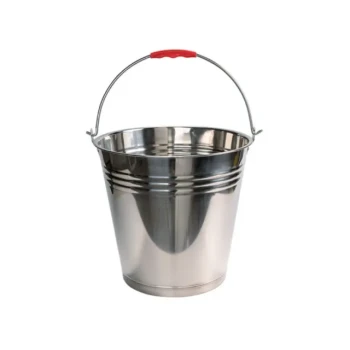
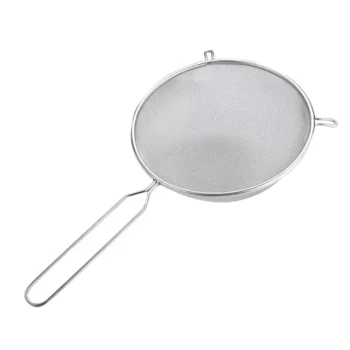
The use of dry sieves and storage containers is critical because honey is highly hygroscopic. This means it actively attracts and absorbs moisture from any surface it touches, including wet processing equipment. If sieves or containers contain even trace amounts of water, the honey will absorb it, raising the total water content to levels that trigger fermentation, spoilage, and a complete loss of commercial value.
Honey is not a static liquid; it is a biologically active substance that interacts with its environment. Using completely dry equipment is the absolute prerequisite for stability, preventing the moisture absorption that leads to yeast growth and product degradation.
The Mechanism of Moisture and Spoilage
Understanding Hygroscopic Action
Honey seeks to reach moisture equilibrium with its surroundings. Unlike oil or water-repellent fluids, honey acts like a sponge.
If you introduce honey to a sieve or container that has been washed but not thoroughly dried, the honey will pull that residual water into its chemical structure. This is not a surface issue; the moisture integrates into the batch.
The Fermentation Risk
The primary danger of increased water content is fermentation. Natural yeasts exist in honey, but they remain dormant when sugar concentrations are high and water is low.
When wet equipment introduces moisture, it dilutes the honey. This dilution creates an environment where yeast can thrive, causing the honey to sour and spoil rapidly.
Preservation of Shelf Life
Commercial viability relies on a stable shelf life. Moisture control is the single most significant factor in predicting how long honey will last.
By strictly utilizing dry equipment, you ensure the honey remains below the critical moisture threshold required for long-term storage and distribution.
Equipment Standards and Purity
The Role of Dry Filtration
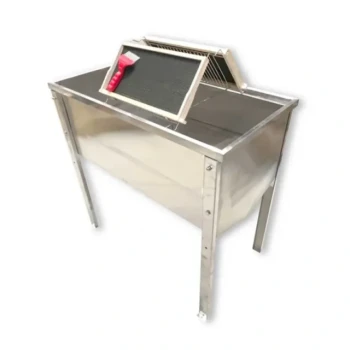
Sieves are used to remove wax, propolis, and debris to ensure clarity. However, this physical purification must not compromise chemical stability.
Using a dry sieve ensures that while impurities are removed, no external agents (water) are added. This maintains the natural density and viscosity of the raw product.
Material Considerations
Food-grade stainless steel is the standard for these tools due to its corrosion resistance and smoothness.
Because stainless steel does not absorb water itself, it can be wiped and dried effectively. This allows for rigorous cleaning to remove pathogens, followed by complete drying to prevent moisture transfer.
Sealing and Storage
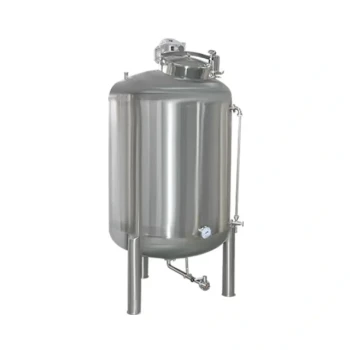
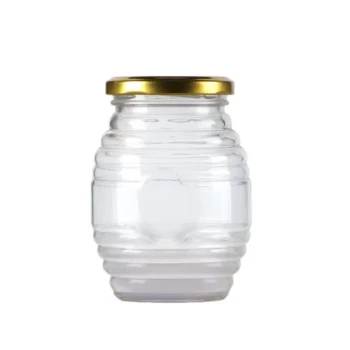
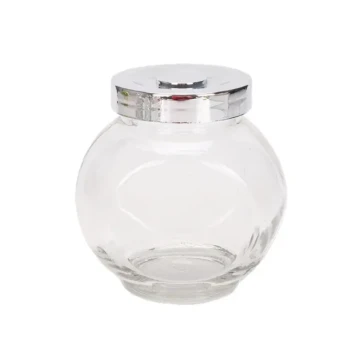
Once processed, honey enters storage containers. If these containers are damp, the honey will degrade regardless of how well it was filtered.
Dry containers, combined with airtight sealing, prevent the absorption of atmospheric humidity. This creates a closed loop where the honey’s internal chemistry is protected from external variables.
Common Pitfalls to Avoid
The "Visible Dryness" Trap
A common mistake is assuming equipment is dry because it looks dry. Micro-droplets in sieve mesh or container crevices can be enough to ruin a batch.
Rushing the Workflow
There is often a trade-off between throughput speed and equipment preparation. Rushing to reuse washed equipment before it is bone-dry is a false economy.
The time saved by skipping the drying phase is negated by the high risk of cross-contamination and the potential loss of the entire harvest due to fermentation.
Ensuring Quality and Safety
Best Practices for Application
To ensure your honey meets high-end market standards, moisture control must be treated as a critical control point (CCP) in your safety plan.
- If your primary focus is Shelf Stability: Prioritize the absolute dryness of storage vessels to keep water content below fermentation thresholds.
- If your primary focus is Product Clarity: Ensure filtration sieves are dry to prevent dilution, which can alter the viscosity and suspension of particles.
Mastering the variable of moisture is the difference between a high-value commercial product and a spoiled yield.
Summary Table:
| Feature | Impact of Wet Equipment | Benefit of Dry Equipment |
|---|---|---|
| Moisture Content | Increases due to honey's hygroscopic nature | Maintains low water levels for stability |
| Product Safety | Triggers yeast growth and fermentation | Prevents spoilage and souring |
| Commercial Value | Leads to degradation and loss of batch | Ensures high-end market standards |
| Shelf Life | Significantly reduced | Maximizes long-term storage viability |
| Clarity & Viscosity | Dilution alters natural density | Preserves purity and physical profile |
Maximize Your Honey Quality with HONESTBEE
At HONESTBEE, we understand that precision is the difference between a premium harvest and a total loss. As a specialized partner for commercial apiaries and distributors, we provide more than just tools—we provide the security of professional-grade equipment.
Our comprehensive wholesale range includes:
- High-Durability Hardware: Specialized hive-making and honey-filling machines designed for efficiency.
- Precision Tools: Food-grade stainless steel sieves and storage solutions that ensure chemical stability.
- Full-Scale Machinery: Professional equipment for every stage of your honey processing workflow.
- Cultural Merchandise: Honey-themed products to expand your brand's reach.
Don't let moisture ruin your yield. Partner with HONESTBEE for the high-performance beekeeping tools and essential consumables your business demands.
Contact our wholesale experts today to upgrade your workflow!
References
- Caleb Kiplimo Bett. Factors Influencing Quality Honey Production. DOI: 10.6007/ijarbss/v7-i11/3458
This article is also based on technical information from HonestBee Knowledge Base .
Related Products
- Stainless Steel Honey Storage Tank with Lid for Honey
- Stainless Steel Honey Storage and Settling Tank with Double Strainer
- Professional Honey Storage Tank with Agitation System
- Classic Glass Honey Jar with Metal Lug Cap for Beehive Storage
- Classic Drum Shaped Glass Honey Jar with Airtight Lid
People Also Ask
- What economic role do honey storage tanks play? Boost Your Revenue Through Strategic Inventory Management
- What roles do industrial honey storage tanks and filtration meshes play in processing? Ensure Purity & Consistency
- What is the purpose of a honey storage tank? Streamline Your Honey Processing for Quality & Efficiency
- What are honey storage tanks used for? Essential Features for Quality Preservation and Profit
- How do large honey storage tanks and gravity fall filling systems improve honey packaging efficiency and safety?