Fine-mesh screens and filter fabrics function as critical physical barriers during the clarification stage of honey refining. By implementing a multi-layer filtration process, these tools systematically remove wax particles, bee debris, and solid impurities to produce a visually clear and hygienically safe final product.
While the primary mechanism is the removal of solid contaminants, the true value of these filtration systems lies in enhancing sensory clarity and texture uniformity. This ensures the honey meets rigorous commercial standards for purity and retail appeal without compromising consumer safety.
The Mechanics of Purification
Physical Removal of Impurities
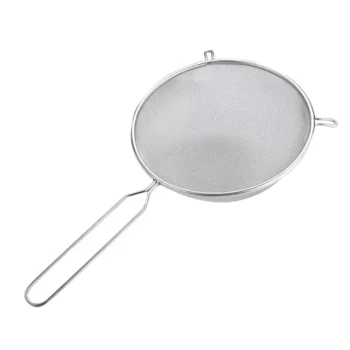
The most immediate function of filtration is the mechanical separation of physical debris. Fine-mesh screens trap wax fragments, larval residues, and bee parts that naturally occur during harvest.
Multi-Stage Processing
Industrial processing often utilizes a multi-stage precision process. Honey is passed through a series of filters with varying pore sizes to progressively refine the liquid. This systematic approach ensures efficient purification without subjecting the honey to excessive stress that could degrade its quality.
Removal of Air Bubbles
Beyond solid particles, these systems are essential for removing trapped air. Settling tanks and filtration fabrics allow air bubbles to escape or be filtered out. This is vital because air bubbles can cloud the honey and accelerate oxidation or crystallization.
Impact on Sensory and Physical Quality
Enhancing Visual Clarity
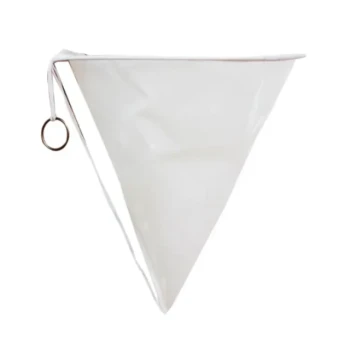
Consumer preference relies heavily on appearance, specifically the demand for clear, golden, or deep amber hues. Specialized filter fabrics remove microscopic suspended matter that causes cloudiness. This results in a "polished" look that significantly increases market appeal and perceived product value.
Preventing Uneven Crystallization
Suspended particles often act as "nucleation points" where sugar crystals begin to form. By removing fine impurities and wax debris, filtration improves texture uniformity. This delays the crystallization process, ensuring the honey remains liquid and smooth for a longer period on the shelf.
Understanding the Trade-offs
Balancing Clarity with Nutritional Integrity
A critical challenge in honey filtration is calibration. Screens with a pore size of approximately 1 mm are often used for raw honey to remove debris while deliberately retaining natural pollen grains.
However, highly aggressive "fine filtration" designed for maximum visual clarity may strip away pollen entirely. Producers must choose between the aesthetic perfection required for mass retail and the nutritional completeness valued in raw or artisanal markets.
Preserving Biological Activity
The goal of using physical screens rather than thermal processing is to protect the honey. Properly calibrated mechanical filtration removes contaminants without damaging biological active ingredients. If the pressure or heat associated with the system is too high, it risks degrading the honey's natural enzymes.
Regulatory Compliance and Standards
Meeting Safety Benchmarks
Filtration is not just about aesthetics; it is a safety requirement. Systems are designed to control water-insoluble matter to meet specific industry standards, such as PN-88/A-77626.
International Export Requirements
For honey to be sold globally, it must meet strict cleanliness grades. Industrial-grade stainless steel filters ensure that the final product adheres to international food safety regulations, facilitating export trade and compliance with national hygiene laws.
Making the Right Choice for Your Goal
The specific type of filtration you employ should depend on your target market and the product identity you wish to establish.
- If your primary focus is Raw/Artisanal Honey: Utilize screens with a pore size around 1 mm to filter debris while strictly retaining natural pollen for nutritional claims.
- If your primary focus is Mass Commercial Retail: Prioritize multi-stage fine filtration to maximize visual transparency and shelf stability (delaying crystallization).
- If your primary focus is Food Safety Compliance: Ensure your system effectively removes insoluble matter and larval residue to meet the precise thresholds of standards like PN-88/A-77626.
Ultimate quality is achieved when filtration delivers a hygienic, stable product while preserving the honey's natural biological character.
Summary Table:
| Feature | Purpose | Impact on Quality |
|---|---|---|
| Fine-Mesh Screens | Mechanical separation of wax & debris | Ensures physical purity and hygienic safety |
| Multi-Stage Filtration | Progressive refinement of liquid | Maximizes visual clarity without stressing the honey |
| Air Bubble Removal | Eliminates trapped air & foam | Prevents oxidation and cloudiness |
| Pollen Calibration | Selective retention of pollen | Maintains nutritional integrity for raw/artisanal labels |
| Crystallization Control | Removal of nucleation points | Extends shelf life and maintains smooth texture |
Elevate Your Honey Production with HONESTBEE
At HONESTBEE, we understand that purity is the hallmark of premium honey. As a dedicated partner to commercial apiaries and distributors, we provide a comprehensive wholesale range of high-performance beekeeping tools and industrial machinery. Whether you need specialized honey-filling machines or precision filtration equipment, our portfolio is designed to help you meet international food safety standards while preserving the natural essence of your harvest.
Ready to scale your operation and enhance your product's market appeal?
Contact Us Today to Explore Wholesale Solutions
References
- Osoe Bouli Freddy Patrick Ngah, liman Hamidou. Socio technical characteristics of beekeeping and honey production in Cameroon. DOI: 10.31248/jasvm2023.401
This article is also based on technical information from HonestBee Knowledge Base .
Related Products
- Professional Stainless Steel Honey Filter with Support Handle
- Nylon Honey Strainer Square Filter Cloth for Honey Filters
- Conical Nylon Honey Strainer Filter Bag for Beekeeping and Honey Filtration
- Professional Honey Filter with Tripod Support Stand
- Professional Cone-Shaped Honey Filter with Reinforced Steel Ring
People Also Ask
- Why are stainless steel filters essential during the initial purification phase of honey processing? Ensure Purity
- What are the benefits of using a high-quality honey filter? Elevate Purity and Preserve Natural Flavor
- What is the primary purpose of honey filters? Achieve Professional Clarity & Pure Honey Quality
- What micron filter should I use for honey? Choose the Right Filter for Sales or Competitions
- Why do people filter honey? For Clarity, Stability, and Consumer Appeal