Precise frame layout and standard bee space design prevent Small Hive Beetle (SHB) infestations by eliminating "dead zones" where pests hide and breed. By maintaining exact clearances, the hive structure allows honeybees to patrol every square inch of the comb surface, physically harassing adult beetles and preventing them from laying eggs in crevices.
Core Takeaway: For distributors and professional apiaries, precision-engineered hive components are the first line of defense; standardized dimensions ensure that honeybees can leverage their natural defensive behaviors to keep the hive pest-free.
The Mechanics of Defensive Architecture
Eliminating Hiding Spots and Dead Zones
Standardized frame layout ensures there are no areas within the hive that are inaccessible to the bees. Small Hive Beetles thrive in tight, neglected spaces where bees cannot reach them to interfere with their reproductive cycle.
Precision manufacturing minimizes internal gaps and cracks. When these "refuge" areas are removed, adult beetles are forced onto the open comb where they are constantly harassed by guard bees.
Maximizing Patrol Efficiency
Bee space—the specific crawl space (approximately 6mm to 9mm) that bees naturally maintain—is the foundation of hive design. When equipment adheres to these exact tolerances, it creates a "patrol highway" for the colony.
This structural design allows bees to guard the entire comb surface effectively. By maintaining constant movement through these spaces, bees prevent beetles from settling long enough to deposit eggs in the wax.
Strategic Value of Precision Manufacturing
Reducing Structural Vulnerabilities
High-quality hive boxes utilize precision joinery and advanced sealing to eliminate external crevices. This prevents pests like SHB and syrphid flies from finding entry points or laying eggs in the exterior walls of the hive.
Standardized equipment ensures a tight fit between the bottom board, hive bodies, and covers. This total-system integrity is a critical component of any Integrated Pest Management (IPM) strategy for commercial beekeeping.
Facilitating Rapid Professional Inspections
Standardized frames allow beekeepers to conduct thorough inspections with minimal colony disruption. Quick access to the brood nest helps professionals identify early signs of larval activity or honey fermentation before an infestation turns into a "slime-out."
As a wholesale partner, providing equipment that supports rapid fulfillment and easy maintenance is essential. Precision-cut frames ensure that end-users can swap components seamlessly across their entire operation without creating irregular gaps.
Integrated Physical Defenses
The Role of Entrance Reducers
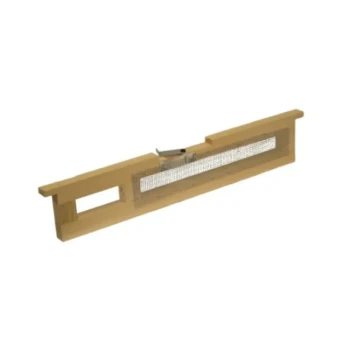
Adjusting beehive entrance specifications acts as a fundamental physical barrier. By narrowing the entry pathway, the colony can consolidate its guard bees into a smaller area, significantly decreasing the frequency of pest invasions.
This is especially critical for weak or newly split colonies that may lack the population to defend a full-width entrance. Providing these precision-fit accessories as part of a full-spectrum product portfolio ensures your clients have every tool needed for colony survival.
Understanding the Trade-offs
The Limitation of Hardware Alone
While precision-engineered hardware is a vital deterrent, it is not a standalone cure for SHB. Even the most accurately manufactured hive can succumb to infestation if the colony is nutritionally stressed or the queen is failing.
Maintenance and Environmental Wear
Wooden components can warp or swell over time due to humidity, potentially altering the standard bee space. Distributors should emphasize the value of high-quality, seasoned timber and professional-grade coatings to maintain dimensional stability over multiple seasons.
Maximizing Value for Your Apiary Clients
How to Apply This to Your Inventory
- If your primary focus is Professional Apiary Management: Prioritize sourcing precision-manufactured hive bodies with interlocking joinery to offer the highest level of structural pest defense.
- If your primary focus is Retail Distribution: Highlight the "one-stop" convenience of offering standardized frames and entrance reducers together to provide a complete IPM solution for hobbyists.
- If your primary focus is Rapid Scale-up: Leverage our deep professional expertise and ultra-fast delivery to ensure your clients have standardized equipment exactly when honey flows begin and pest pressure rises.
Investing in precision-engineered hive components is the most cost-effective way to ensure long-term colony health and operational efficiency.
Summary Table:
| Design Feature | Protective Function | Impact on SHB Management |
|---|---|---|
| Standard Bee Space (6-9mm) | Creates "patrol highways" for bees | Eliminates beetle hiding spots and breeding zones. |
| Precision Frame Layout | Removes internal "dead zones" | Forces beetles onto open comb for guard bee harassment. |
| Interlocking Joinery | Seals external gaps and cracks | Blocks entry points for beetles and other hive pests. |
| Entrance Reducers | Consolidates colony defense area | Significantly reduces the frequency of pest invasions. |
Partner with HONESTBEE for Premium Beekeeping Solutions
As a distributor or commercial apiary, your success depends on equipment that performs under pressure. HONESTBEE provides a comprehensive one-stop sourcing experience for high-precision beekeeping tools, machinery, and essential consumables.
Why choose HONESTBEE?
- Full-Spectrum Portfolio: From hive-making machinery to specialized honey-filling equipment and cultural merchandise.
- B2B Focused: We offer competitive profit margins, reliable OEM/ODM support, and certified quality for wholesalers.
- Rapid Fulfillment: Benefit from our ultra-fast delivery and deep professional expertise to keep your supply chain moving.
Boost your inventory with standardized, pest-resistant hardware. Contact our team today to discuss wholesale opportunities!
References
- Seif Eldin A. Mohammed. A scientific note on resurgence of the small hive beetle (Aethina tumida Murray) (Coleoptera: Nitidulidae) as a pest for Apis mellifera jamenitica in Sudan. DOI: 10.1007/s13592-023-01051-7
This article is also based on technical information from HonestBee Knowledge Base .
Related Products
- Assembled Wooden Bee Frames with Plastic Foundation for Durability and Convenience by HONESTBEE
- Assembled Wooden Bee Frames with Beeswax Foundation Ready to Use by HONESTBEE
- HONESTBEE Wired and Assembled Wooden Bee Frames Foundation for a Thriving Hive
- Plastic Bee Frame Beekeeping Hive Frames for Wholesale
- Professional Bee Frame Machine for Side Bar Shaping
People Also Ask
- When should frames with new foundation be given to colonies? Master Timing for a Thriving Hive
- How do you re-wax bee frames? A Simple Guide to Faster Comb Building
- What types of bee frames can be cleaned and returned to service? A Guide to Safe Apiary Refurbishment
- Do you have to wire bee frames? Essential Guide to Frame Strength & Honey Harvesting
- Can beekeepers switch between wooden and plastic frames? Optimize Your Hive's Performance