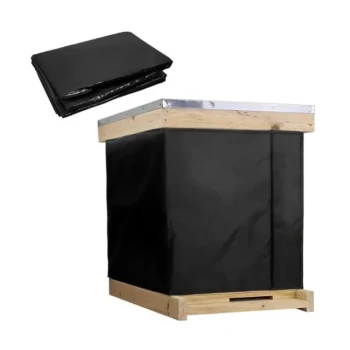
High-performance insulated beehive materials directly enhance pollination efficiency by creating a stable internal microclimate that shields the colony from sharp external temperature fluctuations. In temperate climates, this stability is crucial during spring; it maintains optimal temperatures for brood rearing, allowing the colony to sustain high foraging motivation and continuous activity even when outside temperatures drop.
By minimizing the energy bees must expend on thermoregulation, insulated hives allow colonies to redirect resources toward foraging and brood maintenance. This results in higher visitor density on crops and consistent pollination during critical, often volatile, flowering windows.
The Mechanics of Thermal Stability
Buffering Against Environmental Stress
High-performance materials act as a barrier against the volatile weather patterns typical of temperate zones. They prevent rapid heat loss during cold snaps and reduce heat absorption during spikes.
This stability ensures that the colony's internal environment remains constant, regardless of the weather outside.
Reducing Metabolic Costs
When a hive lacks proper insulation, worker bees must consume significant amounts of honey and energy to generate heat through shivering.
Insulated materials drastically reduce this metabolic load. This energy conservation preserves the colony's vitality, allowing workers to focus on tasks beyond mere survival.
Impact on Colony Behavior and Pollination
Ensuring Continuous Brood Rearing
The primary reference indicates that insulation maintains temperatures suitable for brood rearing. A consistent brood cycle is the engine of a pollinating colony.
When the brood nest is warm, the queen continues to lay eggs, and the population grows. A growing population requires more pollen, which directly drives the urge to forage.
Extending Foraging Windows
In standard hives, bees may cluster to conserve heat during cool spring mornings or evenings.
In high-performance hives, the internal warmth allows foragers to leave the hive earlier in the day and return later. This extends the effective pollination hours available for agricultural crops.
Maximizing Visitor Density
Supplementary data suggests that professional infrastructure supports significantly higher visitor density on crops.
Because the bees are less stressed by environmental factors, attendance rates during peak flowering periods remain high. This ensures that the crop receives the necessary coverage for maximum yield.
Understanding the Trade-offs
Moisture Management Challenges
While insulation keeps heat in, it can also trap moisture generated by bee respiration.
Without proper ventilation design, high-performance materials can lead to condensation buildup. This requires careful management to prevent mold or fungal issues within the hive.
Initial Capital Investment
High-performance materials represent a specialized infrastructure investment compared to standard wooden boxes.
While the operational efficiency and colony survival rates improve, the upfront cost is higher. This requires a clear cost-benefit analysis based on the scale of the pollination operation.
Making the Right Choice for Your Goal
To maximize the benefits of insulated hive materials, align your equipment choice with your specific operational objectives.
- If your primary focus is early spring pollination: Prioritize hives with the highest thermal R-values to ensure foragers remain active during cold snaps when fruit trees bloom.
- If your primary focus is rapid colony expansion: Select materials that stabilize brood nest temperatures to support accelerated egg-laying and population turnover.
- If your primary focus is commercial honey production: Focus on hives that balance insulation with ventilation to handle the humidity resulting from nectar dehydration.
Ultimately, investing in thermal efficiency is not just about temperature control; it is about freeing the colony's biological energy to focus on growth and production.
Summary Table:
| Feature | Impact on Pollination Efficiency | Benefit for Beekeepers |
|---|---|---|
| Thermal Buffering | Prevents colony clustering during cold snaps | Consistent foraging during volatile spring weather |
| Energy Conservation | Reduces honey consumption for thermoregulation | More worker energy diverted to brood and foraging |
| Brood Support | Maintains constant 34-35°C nest temperature | Faster colony buildup for peak pollination windows |
| Extended Hours | Earlier morning starts and later return times | Increased visitor density on commercial crops |
| Microclimate Control | Shields colony from sharp temp fluctuations | Lower stress and higher overall colony vitality |
Maximize Your Pollination Potential with HONESTBEE
At HONESTBEE, we understand that for commercial apiaries and distributors, equipment efficiency translates directly to profit. Our high-performance insulated beehive solutions are engineered to minimize metabolic costs and maximize foraging windows, ensuring your colonies deliver peak pollination density when it matters most.
From advanced hive-making machinery to a full spectrum of specialized beekeeping tools and industry consumables, we provide the comprehensive wholesale infrastructure required to scale your operations. Whether you are supplying large-scale agricultural projects or stocking regional distributors, our portfolio covers everything from honey-filling machines to honey-themed cultural merchandise.
Ready to upgrade your commercial infrastructure? Contact us today to explore our wholesale offerings and equipment solutions.
References
- Janusz Majewski. Pszczelarstwo i jego rola dla rolnictwa polskiego. DOI: 10.22630/rnr.2010.97.4.70
This article is also based on technical information from HonestBee Knowledge Base .
Related Products
- Professional Insulated Plastic Bee Hives
- Professional Insulated Winter Hive Wrap for Beekeeping
- Inner Beehive Cover for Beekeeping Bee Hive Inner Cover
- Stainless Steel Round Beehive Air Vents for Ventilation
- Wholesales Dadant Size Wooden Bee Hives for Beekeeping
People Also Ask
- What are the advantages of plastic bee hives? Boost Efficiency & Durability for Your Apiary
- Are plastic bee hives any good? Unlock Durability & Efficiency for Your Apiary
- How do plastic bee hives compare to wooden hives in handling? Reduce Strain & Boost Efficiency
- Are plastic bee hives good? Durable, Low-Maintenance Hives for Modern Apiaries
- What are the disadvantages of plastic beehives? Key Operational and Environmental Risks Exposed