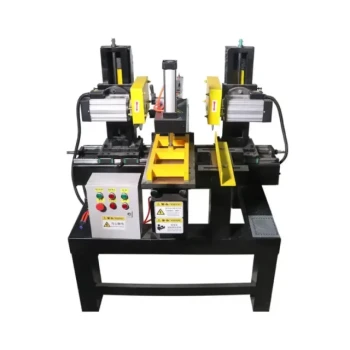
Precision manufacturing and automated data collection are the foundational tools for modern honeybee genomic selection. By utilizing standardized hive-making machinery, researchers create a uniform physical environment that removes environmental variables from the equation. When paired with automated management systems, this enables the rigorous correlation of genetic markers with performance traits, significantly accelerating breeding programs.
The core value of this technology lies in variable control. By ensuring every colony lives in an identical physical structure, researchers can be confident that differences in honey yield or survival are driven by genetics, not by inconsistencies in the hive equipment.
The Role of Standardization in Research
To isolate superior genetic traits, researchers must first isolate the variables that influence bee behavior.
Creating a Uniform Physical Environment
Standardized hive-making machinery is essential for eliminating physical discrepancies between colonies. If hives vary in dimension or insulation, it becomes impossible to determine if a colony’s success is due to its genetics or a superior shelter.
Industrial-grade machinery allows for precision processing. This ensures that every hive produced offers the exact same conditions, serving as a reliable baseline for experimentation.
Aligning with Biological Characteristics
Standardization does not mean ignoring biology; it means refining it. Advanced manufacturing allows researchers to produce hives that strictly align with the biological characteristics of specific species, such as the Caucasian Gray Bee.
By tailoring the standardized environment to the bee's natural requirements, researchers maximize the physiological potential of the colony. This ensures that the data collected reflects the bees' true genetic capability rather than their struggle against a poorly designed habitat.
Accelerating Genomic Selection
Once the physical environment is stabilized, the focus shifts to data collection and genetic analysis.
Automating Phenotypic Data Collection
Automated management systems are deployed to record critical performance metrics without human interference. These systems continuously track "production phenotypes," such as honey yield and wintering performance (survival rates).
Automation removes the subjectivity and labor constraints of manual inspections. It provides the high-volume, consistent data sets required for statistical analysis in genetic research.
Linking Genotype to Phenotype
The ultimate goal of using these technologies is to correlate genotypes (revealed by genetic markers) with phenotypes (observed physical traits).
Because the automated systems provide accurate performance data and the machinery ensures a control environment, this correlation becomes much clearer. Researchers can identify which specific genetic markers are responsible for high yields or disease resistance, effectively "fast-tracking" the breeding of superior bee lines.
Operational Considerations and Trade-offs
While machinery and automation provide precision, they must be implemented with an understanding of biological complexity.
The Necessity of Species-Specific Design
A common pitfall is assuming that "standardized" means "universal." As noted with the Caucasian Gray Bee, hive structures must still be optimized for the specific breed being studied.
Using a standardized hive design that conflicts with the specific biological needs of a bee subspecies will suppress its potential, leading to skewed data regardless of how uniform the manufacturing is.
The Link to Commercial Viability
Research does not exist in a vacuum. The machinery used for research often mirrors the tools needed for commercial scalability, such as nucleus colony equipment and queen rearing tools.
Researchers must ensure that the genetic traits selected in the lab can be maintained during mass production. This requires integrating research protocols with downstream biosecurity measures, such as specialized packaging for international trade, to prevent the loss of these hard-won genetic traits during transport.
Making the Right Choice for Your Research Goal
To effectively leverage these technologies, you must align your equipment choices with your specific research outcomes.
- If your primary focus is Isolation of Variables: Prioritize industrial-grade hive machinery to ensure a physically identical environment across all experimental groups.
- If your primary focus is Genomic Speed: Invest in automated management systems that capture real-time phenotype data (yield, wintering) to rapidly validate genetic markers.
- If your primary focus is Commercial Application: ensure your standardized designs accommodate mass-production tools, such as queen rearing equipment, to facilitate the eventual scaling of superior genetics.
By strictly controlling the physical environment and automating data capture, you transform beekeeping from an observational practice into a precise, genetic science.
Summary Table:
| Technology Component | Primary Function in Research | Key Benefit for Geneticists |
|---|---|---|
| Hive-making Machinery | Precision manufacturing of standardized hives | Eliminates environmental variables for clear genetic isolation |
| Automated Management | Continuous monitoring of yield and survival | Provides high-volume, objective phenotypic data sets |
| Species-Specific Design | Tailoring hardware to biological traits | Ensures data reflects true genetic potential, not habitat stress |
| Integrated Systems | Linking genotype to phenotype | Accelerates breeding programs by validating genetic markers |
Elevate Your Beekeeping Operations with HONESTBEE
At HONESTBEE, we understand that precision is the foundation of success for commercial apiaries and distributors. Whether you are conducting advanced honeybee research or scaling commercial honey production, our comprehensive wholesale solutions provide the tools you need to thrive.
Our value to you:
- Advanced Machinery: From precision hive-making equipment to high-speed honey-filling machines.
- Specialized Hardware: A full spectrum of beekeeping tools designed for durability and biological alignment.
- Industry Consumables: A wide array of essential supplies and honey-themed cultural merchandise to diversify your portfolio.
Ready to integrate industrial-grade precision into your business? Contact us today to explore our wholesale offerings and see how we can help you lead the industry.
References
- Oleg Fomenko. POLYMORPHIC STR MARKERS AS A TOOL FOR POPULATION-GENETIC STUDIES OF Apis mellifera HONEYBEES (review). DOI: 10.15389/agrobiology.2020.6.1090eng
This article is also based on technical information from HonestBee Knowledge Base .
Related Products
- High-Efficiency Pneumatic Bee Hive Making Machine for Rapid Box Assembly
- Beehive Handle and Frame Rest Cutting Machine: Your Specialized Hive Machine
- Mini Desktop Bee Hive Frame Forming Making Machine
- Automatic High-Speed Bee Hive Box Stapling Machine
- Beehive Machine Double End Saw for Precision Hive Component Manufacturing
People Also Ask
- How does the introduction of professional beehive-making machinery benefit sustainable beekeeping? Scale Your Apiary
- Why is specialized beehive-making machinery critical for low-defense breeding? Enhance Selection with Precision Tools
- How does the introduction of specialized beehive making machinery contribute to increasing the scale of regional beekeeping industries?
- What is the importance of specialized beehive making machinery in a circular bio-economy? Build Local Sustainability
- Why is specialized beehive-making machinery essential? Scale Your Apiary with Precision Industrial Standards