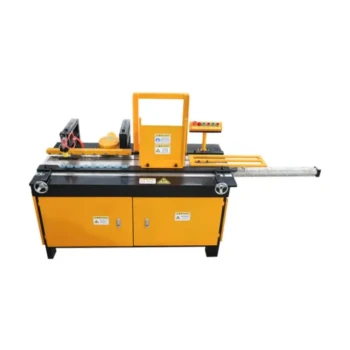
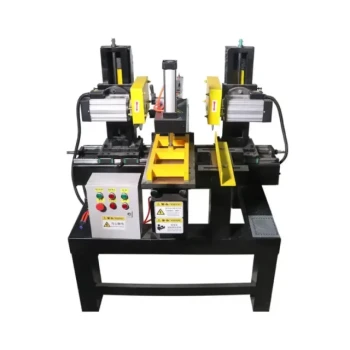
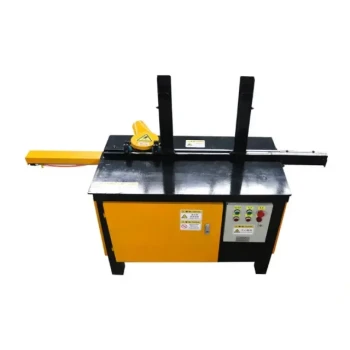
Hive-making machines provide the critical infrastructure for large-scale apiaries by automating the production of standardized, high-durability hive components. By ensuring precise modular dimensions and structural integrity, these machines enable beekeepers to manage the physical wear of migratory operations while streamlining complex colony management tasks.
Standardization is the gateway to industrial-scale beekeeping. Hive-making machines do not just increase production speed; they create the uniform physical specifications required to scale operations beyond 150 colonies, reducing management friction and lowering long-term infrastructure costs.
Withstanding the Rigors of Nomadic Beekeeping
Ensuring Mechanical Stability
Large-scale operations often rely on nomadic beekeeping, where hives are frequently transported to follow bloom cycles. Hive-making machines produce components with consistent structural integrity designed to withstand high-frequency loading and the vibrations of transit.
Reducing Colony Loss
Traditional or inconsistent hive construction often fails during transport, leading to damaged equipment and exposed colonies. Machine-produced hives possess the mechanical stability required to protect the bees during migration, directly reducing colony loss rates associated with physical transit trauma.
Lowering Maintenance Costs
The automated precision of these machines ensures tight joinery and robust assembly. This durability significantly lowers the management costs associated with repairing or replacing equipment damaged by the "wear and tear" of constant movement.
The Role of Standardization in Scalability
Enabling Component Interchangeability
Industrial-grade machines ensure that internal dimensions and frame specifications are perfectly uniform. This precision allows frames to be interchanged between different hives seamlessly, which is impossible with inconsistent, hand-built equipment.
Streamlining Management Workflows
Interchangeability simplifies complex biological tasks such as colony splitting, merging, and pest inspections. When every frame fits every box, labor efficiency increases, allowing a single operator or team to manage a significantly higher volume of colonies.
Facilitating Mechanized Operations
Standardized dimensions are a fundamental prerequisite for using other advanced equipment, such as automated loaders or processing lines. By ensuring consistency, hive-making machines lay the groundwork for the entire mechanized ecosystem of a modern farm.
Economic and Biological Implications
Eliminating Growth Bottlenecks
Manual hive construction cannot keep pace with rapid commercial expansion. Mechanized cutting and assembly alleviate shortages, providing the immediate physical infrastructure necessary to increase breeding density and expand colony sizes without delay.
Reducing Infrastructure Costs
By utilizing mechanized processing for wood or composite materials, these machines significantly reduce the unit cost of hive production. This lowers the barrier to entry for expansion, allowing capital to be reinvested into colony health or logistics rather than expensive hardware.
Enhancing Colony Health
Structural accuracy impacts more than just logistics; it influences honeybee nesting behavior. High-precision manufacturing minimizes gaps and irregularities, reducing parasite risks and creating a more controlled environment for sustainable colony health.
Understanding the Trade-offs
Equipment Specificity
While these machines offer high efficiency, they often require specific raw materials (standardized lumber or specific composites) to function correctly. A lack of quality input materials can lead to machine jams or lower-quality output, negating the benefits of automation.
Implementation Complexity
Transitioning to automated hive production requires a shift in operational mindset. The benefit is only realized if the apiary fully commits to the standardized system; mixing machine-made hives with legacy, non-standard equipment can create logistical friction and negate efficiency gains.
Making the Right Choice for Your Goal
To maximize the value of hive-making technology, align your investment with your specific operational targets:
- If your primary focus is migratory beekeeping: Prioritize machines that produce reinforced joints and high-density components to minimize transit damage.
- If your primary focus is rapid scaling: Select equipment with high throughput and automated assembly features to eliminate hardware shortages.
- If your primary focus is labor efficiency: Ensure the machine produces strictly standardized frames that allow for seamless interchangeability during inspections and splitting.
The operational stability of a modern apiary relies on transforming the hive from a handcrafted artisanal object into a precision-engineered logistical unit.
Summary Table:
| Key Benefit | Operational Impact | Strategic Value |
|---|---|---|
| Standardization | Enables component interchangeability | Streamlines management & labor workflows |
| Durability | Resists vibration during nomadic transport | Reduces colony loss & maintenance costs |
| Scalability | Eliminates hardware production bottlenecks | Allows rapid expansion of colony density |
| Precision | Minimizes gaps and structural irregularities | Improves colony health & parasite control |
| Cost Efficiency | Reduces unit cost of hive production | Lowers capital barriers to business growth |
Elevate Your Apiary Operations with HONESTBEE
Transitioning from manual assembly to precision engineering is the key to scaling your beekeeping business. HONESTBEE specializes in supporting commercial apiaries and distributors with a robust wholesale portfolio. Whether you need specialized hive-making machines, honey-filling equipment, or a full spectrum of durable beekeeping tools and consumables, we provide the infrastructure required for industrial success.
Ready to optimize your production and reduce long-term costs? Contact HONESTBEE today to discuss your equipment needs
References
- Alíz Feketéné Ferenczi, Angéla Soltész. The Beekeeping Practice of Transhumance Bee Colonies—Quantitative Study of Honey Production Characteristics Based on a Questionnaire Survey in Hungary. DOI: 10.3390/agriculture15131405
This article is also based on technical information from HonestBee Knowledge Base .
Related Products
- High-Efficiency Pneumatic Bee Hive Making Machine for Rapid Box Assembly
- Mini Desktop Bee Hive Frame Forming Making Machine
- Beehive Handle and Frame Rest Cutting Machine: Your Specialized Hive Machine
- Beehive Machine Double End Saw for Precision Hive Component Manufacturing
- Automatic High-Speed Bee Hive Box Stapling Machine
People Also Ask
- How does the introduction of professional beehive-making machinery benefit sustainable beekeeping? Scale Your Apiary
- Why is specialized beehive-making machinery critical for low-defense breeding? Enhance Selection with Precision Tools
- How does the introduction of specialized beehive making machinery contribute to increasing the scale of regional beekeeping industries?
- What is the importance of specialized beehive making machinery in a circular bio-economy? Build Local Sustainability
- Why is specialized beehive-making machinery essential? Scale Your Apiary with Precision Industrial Standards