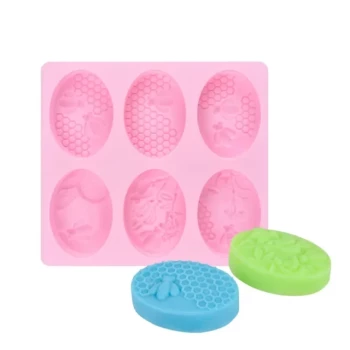
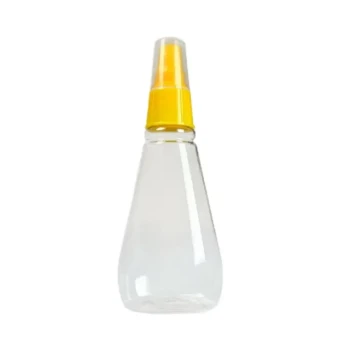
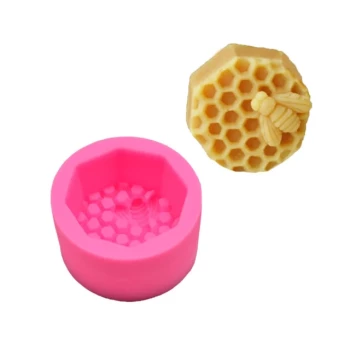
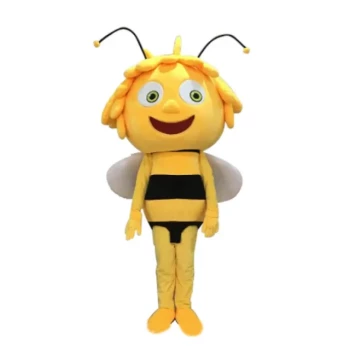
Honey-themed cultural merchandise transforms generic agricultural commodities into distinct brand assets. By integrating auxiliary products—such as specialized utensils, creative packaging, and cultural derivatives—producers elevate their market presence beyond simple food sales. These items serve as critical differentiators that increase brand value, deepen consumer engagement, and facilitate entry into competitive retail and international markets.
Cultural merchandise acts as a bridge between traditional beekeeping and modern brand culture. It converts intangible assets like biodiversity and heritage into tangible consumer experiences, securing premium positioning and fostering long-term loyalty.
Moving Beyond Agriculture to Brand Culture
Establishing a Differentiated Identity
In a saturated market, selling honey solely as a raw ingredient often leads to commoditization. Cultural merchandise creates a unique brand personality.
By offering branded auxiliary products, producers distinguish themselves from competitors. This differentiation allows beekeepers to establish a recognizable image that resonates with consumers looking for more than just a sweetener.
The Power of Tangible Touchpoints
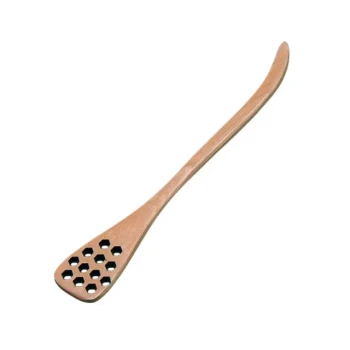
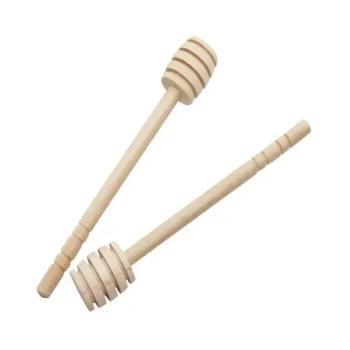
Merchandise serves as a physical medium that connects the producer to the consumer's daily life. Items like specialized honey spoons or designer gift boxes are not just packaging; they are functional tools that increase convenience.
These objects act as persistent reminders of the brand long after the honey is consumed. This repeated interaction enhances the overall experience and encourages repeat purchases by keeping the brand top-of-mind.
Converting Ecology into Value
Cultural merchandise allows producers to tangible express their ecological values. Products can be designed to reflect biodiversity conservation efforts or the specific "terroir" of a protected ecological zone.
This transforms abstract concepts like "nature conservation" into physical products consumers can own. It strengthens consumer recognition of the brand's ethical stance and helps justify the value of the core product.
Elevating Market Position and Distribution
Commanding a Visual Premium
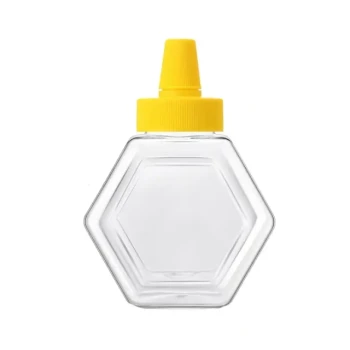
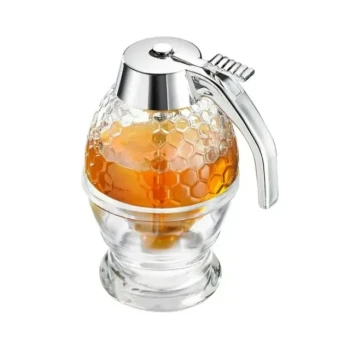
High-quality auxiliary products and packaging are essential for capturing high-value market segments. Premium display bottles and specialized presentation tools significantly increase the perceived value of the product.
For consumer groups with a higher willingness to pay, these visual cues signal quality and organic authenticity. This visual premium is often the deciding factor in distinguishing a luxury brand from a standard retail option.
Unlocking High-End Channels
To enter international markets or high-end retail networks, a product must look the part. Professional display equipment and culturally themed packaging are vital for success at trade shows and agricultural fairs.
These tools help overcome the limitations of traditional sales channels. They allow honey products to be showcased effectively in exhibitions, supporting higher export prices and attracting professional distributors.
Leveraging Knowledge and Storytelling
Successful merchandising relies on a "knowledge management strategy." This involves integrating beekeeping history and cultural storytelling into the product design.
By converting intangible cultural assets into explicit design elements, brands shorten the cycle from concept to finished product. This approach ensures that every piece of merchandise reinforces the brand's narrative and cultural depth.
Understanding the Strategic Trade-offs
Production Complexity vs. Agility
While diverse merchandise expands market reach, it requires versatile packaging equipment. Producers must be able to switch rapidly between formats, such as irregular bottles, gift boxes, or portable packs.
This mechanization adds precision but also introduces operational complexity. Producers must balance the need for "gift attributes" with the efficiency required for volume production.
Balancing Commercialization and Conservation
Merchandise provides a secondary income stream that can balance beekeeping interests with nature conservation. However, the commercial aspect must not overshadow the ecological message.
The production of auxiliary goods must align with the brand's sustainable identity. Over-commercialization or wasteful packaging can dilute the "natural" and "organic" brand identity that the merchandise is meant to reinforce.
Making the Right Choice for Your Goal
To effectively utilize cultural merchandise, align your strategy with your specific market objectives:
- If your primary focus is Premium Market Entry: Invest in high-visual packaging and professional display tools to support higher pricing and international export.
- If your primary focus is Brand Loyalty: Develop functional auxiliary products (like spoons or durable jars) that enhance user convenience and create daily brand touchpoints.
- If your primary focus is Differentiation: Utilize knowledge management to weave specific cultural stories and ecological values into the design of your merchandise.
By treating cultural merchandise as an essential component of the business model rather than an afterthought, honey producers can secure a lasting competitive advantage.
Summary Table:
| Strategic Objective | Key Auxiliary Products | Primary Benefit |
|---|---|---|
| Market Differentiation | Creative packaging & brand derivatives | Establishes a unique brand personality and identity |
| Consumer Engagement | Specialized utensils & functional tools | Creates tangible touchpoints for daily brand interaction |
| Premium Positioning | Designer gift boxes & display equipment | Commands higher prices and signals organic quality |
| Global Distribution | Professional exhibition tools | Facilitates entry into high-end retail and export markets |
| Brand Storytelling | Cultural & ecological themed merchandise | Converts intangible heritage into tangible value |
Elevate Your Honey Brand with HONESTBEE
Transform your apiary from a raw commodity producer into a high-value brand. HONESTBEE provides the comprehensive infrastructure needed to scale your business and capture premium markets. We cater specifically to commercial apiaries and distributors with a professional wholesale offering that includes:
- Precision Machinery: Advanced hive-making and honey-filling machines to handle diverse packaging needs.
- Beekeeping Essentials: A full spectrum of high-quality tools, equipment, and consumables.
- Marketing Assets: Specialized honey-themed cultural merchandise and auxiliary hardware to differentiate your brand.
Ready to dominate the market with superior equipment and compelling brand assets? Contact HONESTBEE today to discuss our wholesale solutions and how we can support your growth.
References
- Aleksandra Tymczak. Honey production in Alberta: Grassroots extension services. DOI: 10.56367/oag-048-11780
This article is also based on technical information from HonestBee Knowledge Base .
Related Products
- Modern Honeycomb Pattern Wooden Honey Dipper for Stirring and Drizzling
- Heart-Shaped Comb Honey Frame and Honeycomb Cassette
- Natural Wood Honey Dipper for Tea Coffee and Desserts
- Honey Tank Heater Drum Heating Blanket for Honey Barrel
- Classic Beehive Honey Bottle Jar with Squeeze Dispenser Lid
People Also Ask
- What is the proper method for cleaning a honey dipper? Maintain Pure Flavor with These Easy Pro Tips
- What is a honey dipper and what is it used for? A Guide to Mess-Free Drizzling
- What is a honey dipper? Master the Art of the Perfect Drizzle with This Essential Tool
- What is a honey taking spoon called? Discover the Tool for a Perfect, Mess-Free Drizzle
- How do you clean and store a honey dipper? Simple Steps for Long-Lasting Performance