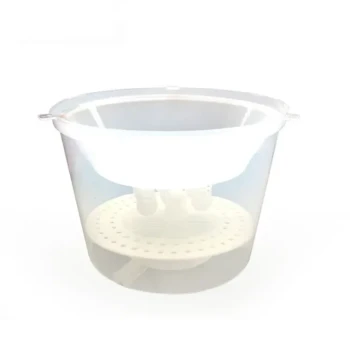
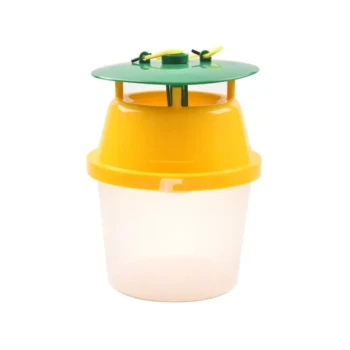
In-hive beetle traps provide a mechanical solution to pest management by exploiting the biological instincts of the Small Hive Beetle (SHB). These devices are strategically placed between frame top bars to serve as artificial crevices, luring adult beetles that are fleeing from honeybee harassment and seeking dark, confined shelters. Once the beetles enter the trap, they are physically separated from the colony and typically drowned in a capture medium like mineral oil, effectively reducing adult population density.
Core Takeaway: In-hive traps function as a critical "physical barrier" component of Integrated Pest Management (IPM), allowing beekeepers to suppress adult beetle populations and monitor infestation levels without the use of hive-contaminating chemicals.
Harnessing Biological Instincts for Mechanical Control
The Role of Bee Harassment
Honeybees naturally perceive the Small Hive Beetle as an intruder and will aggressively chase them across the frames. Beetles instinctively flee from this harassment, seeking any available dark space or tight opening where bees cannot reach them.
Seeking Refuge in Strategic Crevices
The traps are engineered to mimic the narrow "hiding spots" beetles prefer within the hive environment. By placing these traps between the top bars of the frames, they become the first available refuge for a beetle under attack, effectively "tricking" the pest into a confined space.
Light Avoidance and Phototaxis
Small Hive Beetles are highly sensitive to light and naturally gravitate toward the darkest recesses of the hive. Traps utilize this behavior by providing a low-light environment that attracts beetles away from the open comb and toward the capture zones.
The Mechanics of Physical Separation
Engineered Slot Precision
High-quality traps feature entry slots that are precision-milled to be large enough for an adult beetle but too narrow for a honeybee to enter. This mechanical filter ensures the safety of the colony while specifically targeting the pest population.
Capture Media and Fatal Containment
Once a beetle enters the trap, it typically falls into a reservoir filled with a substance such as mineral oil or food-grade oil. This medium serves as a physical containment method, drowning the beetle instantly and preventing it from returning to the hive to lay eggs.
Monitoring as a Control Metric
Beyond direct culling, these traps serve as a diagnostic tool for assessing the severity of an infestation. The number of beetles captured provides clear evidence of the pest pressure, allowing professionals to make data-driven decisions on further intervention.
Understanding the Trade-offs and Limitations
Lifecycle Limitations
It is critical to note that mechanical traps are effective only against adult beetles. They do not capture larvae or eggs already present in the comb, meaning they must be used as part of a broader management strategy to be fully effective.
Maintenance and Saturation
Traps have a finite capacity and can become less effective if they are not monitored. Overfilled or neglected traps may lose their efficacy if the oil becomes saturated with debris or if the beetles can no longer be submerged, necessitating regular maintenance by the beekeeper.
Placement Sensitivity
The physical location of the trap within the hive significantly impacts its capture rate. While most are placed between top bars, improper alignment or placing them in areas of low bee activity can result in lower capture rates, as the beetles are not being actively "driven" into the device.
Maximizing Value for Professional Distribution
Strategic Sourcing for B2B Success
For wholesalers and distributors, offering a full-spectrum portfolio of pest management hardware is essential for meeting the needs of modern commercial beekeepers. High-performance physical traps are a high-turnover staple that complements more intensive chemical treatments.
Evaluating Quality in Manufacturing
When selecting a supplier, focus on material durability and slot precision. Professional-grade traps must withstand the caustic environment of a hive and the rigors of cleaning without warping, ensuring the mechanical "filter" remains effective over multiple seasons.
How to Apply This to Your Product Portfolio
- If your primary focus is rapid order fulfillment: Partner with suppliers who offer ultra-fast delivery and large-scale inventory to ensure your customers never face a stockout during peak beetle season.
- If your primary focus is technical expertise: Provide educational materials that explain the "bee harassment" mechanic, positioning your firm as a knowledgeable partner rather than just a hardware vendor.
- If your primary focus is premium service: Offer "bundle" solutions that include both the mechanical traps and the recommended capture media (oil) to provide a one-stop sourcing experience for end-users.
Integrating high-quality mechanical traps into your inventory provides clients with a reliable, non-chemical foundation for protecting colony health and honey purity.
Summary Table:
| Feature | Mechanical Mechanism | Impact on Pest Control |
|---|---|---|
| Entry Slots | Precision-milled gaps (beetle-sized) | Excludes bees while trapping adult beetles |
| Placement | Between top bars of frames | Exploits beetles' need for dark crevices |
| Capture Medium | Mineral or food-grade oil reservoir | Ensures fatal containment and physical drowning |
| Biomimicry | Mimics tight hive hiding spots | Tricks beetles fleeing from bee harassment |
| Monitoring | Visual count of captured pests | Provides data for Integrated Pest Management (IPM) |
Scale Your Business with HONESTBEE’s Full-Spectrum Sourcing
Maximize your profit margins and diversify your inventory with HONESTBEE, the premier partner for commercial apiaries and beekeeping distributors. We provide a comprehensive wholesale offering, ranging from precision-engineered pest control hardware to advanced honey-filling machinery and essential industry consumables.
Why Partner with HONESTBEE?
- One-Stop Wholesale Sourcing: Access a full-spectrum product portfolio tailored for B2B resellers.
- Rapid Fulfillment: Benefit from our ultra-fast delivery and efficient order processing to meet peak seasonal demands.
- Expert Support: Leverage our deep professional industry expertise and dedicated customer service to grow your brand.
- OEM/ODM Capabilities: Custom solutions designed to give you a competitive edge in the market.
Ready to elevate your beekeeping supply chain? Contact us today to receive our latest wholesale catalog and expert consultation!
References
- Rafael A. Calderón-Fallas, Luis Sánchez-Chaves. Small Hive Beetle, <i>Aethina tumida</i> , in Africanized Honey Bees in Costa Rica: Sentinel Apiaries, Epidemiological Surveillance and Training Programs as Strategies for Early Detection or to Prevent Its Spread. DOI: 10.1080/0005772x.2023.2166738
This article is also based on technical information from HonestBee Knowledge Base .
Related Products
- Black Plastic Beetle Barn Hive Beetle Trap for Beehives
- Reusable Aluminium Beetle Trap for Small Hive Beetles Silver Bullet
- Reusable Clear Small Hive Beetle Traps for Beehives Beetle Trapping Tools
- Removable Washable Hive Beetle Trap Attractants for Small Hive Beetles
- Plastic Beetle Blaster Trap Beekeeping Tools and Supplies
People Also Ask
- How should powdered substances be used in beetle traps for hive beetle control? Expert Guide for Maximum Colony Protection
- What are the three main types of hive beetle traps? Expert Solutions for Protecting Your Bee Colonies
- What are the types of hive beetle traps available? Master Your Beetle Control Strategy
- What are the main types of hive beetle traps available? A Beekeeper's Guide to Effective Control
- What mechanical methods can be used to manage small hive beetles? Effective Physical Solutions for Your Beehive