Industrial beekeeping machines fundamentally transform labor efficiency by automating high-volume, repetitive tasks that traditionally create bottlenecks in manual operations. By deploying technologies such as automated bee removers and high-efficiency extraction lines, producers can drastically reduce labor costs per unit, enabling a single operator to manage a significantly larger number of colonies.
Core Takeaway Manual beekeeping is often limited by the physical capacity of the beekeeper, restricting scale. Industrial automation decouples production volume from human labor hours, facilitating the transition from small-scale practices to professional, resilient commercial operations capable of meeting global standards.
Revolutionizing the Production Workflow
Automating Core Extraction Tasks
Traditional honey extraction is labor-intensive, often requiring multiple handlers for hive manipulation and harvesting.
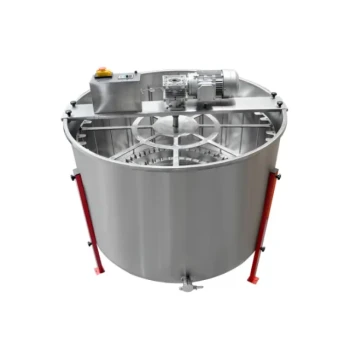
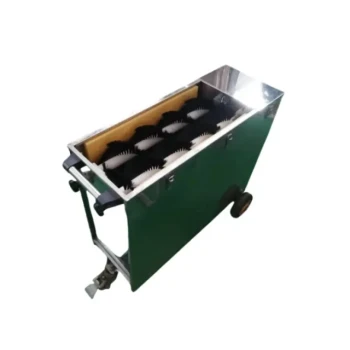
Industrial machines, such as automated bee removers and extraction lines, replace this manual effort. This allows a single beekeeper to process volumes that would previously require a team, directly lowering operational costs.
Streamlining Packaging and Metering
Efficiency extends beyond the hive to the bottling process. Industrial honey-filling machines utilize automated metering to ensure precise, consistent filling volumes.
This automation integrates sealing and packaging into a seamless workflow, significantly faster than manual bottling. It eliminates human error in measurement and accelerates the timeline from harvest to distribution.
Ensuring Hygiene and Export Compliance
Manual processing increases the risk of contamination through open-air exposure.
Closed-system filling machines reduce contact between the honey, external air, and impurities. This hardware is essential for meeting rigorous international export standards regarding food safety and hygiene.
The Role of Standardization in Efficiency
Precision Hive Construction
Manual hive building often results in structural inconsistencies that affect colony health.
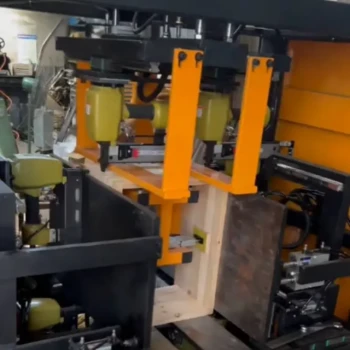
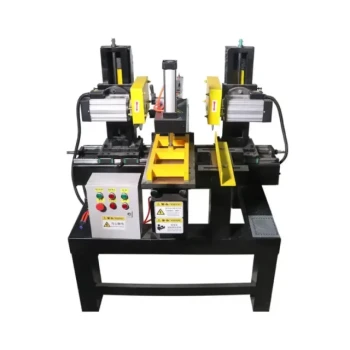
Specialized hive-making machines allow for the precise production of standardized hives using local timber. These machines ensure optimal sealing and thermal insulation, which are critical for colony survival and productivity.
Optimizing Colony Management
Standardized infrastructure improves the success rate of attracting forest bees and ensures stable colony settlement.
By providing a consistent, high-quality colonization environment, beekeepers can reduce the risk of bees absconding due to environmental stress. This stability allows for predictable harvesting schedules and optimized spatial distribution of colonies.
Strategic Considerations and Trade-offs
Shifting Resource Dependencies
Moving to industrial methods changes the materials required for operation.
Traditional methods often rely on harvested natural materials like wild vines and phloem fibers. Industrial hive-making shifts this dependency to local timber, which minimizes damage to forest vegetation but requires a reliable lumber supply chain.
Capital Investment vs. Labor Reduction
While labor efficiency improves, the barrier to entry shifts from physical effort to capital investment.
Industrialization requires upfront expenditure on machinery for extraction, hive construction, and packaging. This approach increases financial risk initially but provides higher risk resistance and stability for the operation in the long term.
Determining the Right Approach for Your Operation
To maximize the benefits of automation, align your equipment choices with your specific operational goals.
- If your primary focus is large-scale commercial growth: Prioritize automated extraction lines and bee removers to maximize the number of colonies a single beekeeper can manage.
- If your primary focus is international export: Invest in closed-system honey-filling machines to ensure the hygiene and standardized metering required by global markets.
- If your primary focus is colony stability and yield: Utilize hive-making machinery to create standardized, well-insulated structures that reduce absconding and improve honey yield per unit area.
True efficiency in beekeeping is not just about speed; it is about building a scalable infrastructure that turns unpredictable nature into a reliable business.
Summary Table:
| Feature | Manual Beekeeping | Industrial Machinery | Efficiency Impact |
|---|---|---|---|
| Honey Extraction | Hand-shaking & manual labor | Automated bee removers & lines | Massive reduction in labor hours |
| Bottling & Filling | Manual pouring & metering | Precise automated filling machines | Higher speed; eliminated human error |
| Hive Construction | Hand-built; inconsistent | Specialized hive-making machines | Standardized quality & better insulation |
| Hygiene/Safety | Open-air exposure risk | Closed-system processing | Guaranteed compliance with export standards |
| Scalability | Limited by physical capacity | Decoupled from human labor | Enables large-scale commercial growth |
Transform Your Apiary into a High-Efficiency Commercial Operation
Transitioning from manual labor to industrial automation is the key to scaling your honey production and reaching global markets. HONESTBEE specializes in supporting commercial apiaries and distributors with a comprehensive range of professional equipment. From precision hive-making machines and automated bee removers to high-speed honey-filling lines and cultural merchandise, we provide everything you need to reduce labor costs and increase yield.
Why partner with HONESTBEE?
- Full Spectrum Supply: One-stop wholesale for tools, machinery, and consumables.
- Export Readiness: Machines designed to meet rigorous international hygiene standards.
- Scalable Solutions: Equipment tailored to help you manage more colonies with fewer operators.
Ready to elevate your beekeeping business? Contact HONESTBEE today to discuss our wholesale machinery solutions and how we can bring more value to your operation!
References
- I. Živělová, Eliška Svobodová. The Impact of Subsidies on the Development of Beekeeping in the Czech Republic. DOI: 10.7160/aol.2022.140110
This article is also based on technical information from HonestBee Knowledge Base .
Related Products
- Automatic Honey Filling and Filtering Machine for Beekeeping Bottle Filling
- 40 Frame Commercial Electric Honey Extractor for Beekeeping
- Stainless Steel Manual 8 Frame Radial Honey Extractor Machine for Beehives
- Miniature Stainless Steel Bee Smoker for Beekeeping
- Professional Bee Smoker with Elongated Spout and Durable Bellows for Beekeeping
People Also Ask
- What process advantages do professional honey filtering and filling machines provide? Optimize Your Organic Honey Output
- How do honey filling and filtering machines increase product value? Turn Raw Honey into Premium Export-Grade Goods
- How do honey filtration and filling machinery contribute to industrialization? Scale Your Commercial Honey Production
- What specific issues do industrial filtration and automated filling machinery address? Ensure Honey Quality & Compliance
- How does the use of professional honey filtration and filling machinery facilitate international honey exports?