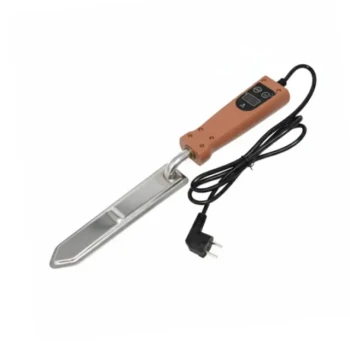
Industrial-grade electric harps act as precise, size-selective filters that secure hive entrances against large predators. These devices utilize a metal frame strung with energized wires, spaced with specific geometric tolerances to exploit the physical size difference between honey bees and invasive pests. While bees navigate the gaps safely, larger predators like the Vespa velutina inevitably bridge the circuit, receiving a lethal shock upon approach.
The core value of the electric harp lies in its passive selectivity: it provides a continuous, automated lethal barrier against large predators without requiring chemical intervention or impeding the daily workflow of the hive.
The Mechanics of Selective Exclusion
Geometric Filtering
The fundamental principle of the electric harp is physical spacing. The energized wires are installed at precise intervals that exceed the body width of a standard honey bee.
This gap allows foraging bees to fly through the "harp" strings without making contact. The colony can maintain its natural traffic flow with minimal disruption or risk of electrocution.
The Circuit Bridge
The system turns the predator’s size into its vulnerability. Large insects, specifically hornets like Vespa velutina, are physically too broad to pass through the wires without contact.
When these predators attempt to hover near the hive entrance or fly through the device, their bodies touch the wires. This closes the electrical circuit, delivering an instant, lethal shock.
Automation in Apiary Defense
Continuous Predation Reduction
The electric harp serves as a highly efficient, automated tool for reducing predation pressure. It operates independently of the beekeeper's presence.
By actively neutralizing hunting hornets, the device lowers the number of live predators patrolling the apiary. This reduces the "paralysis" often seen in hives under siege, where bees refuse to fly due to the presence of hornets.
Efficiency Over Manual Intervention
Unlike bait traps that require refilling or manual swatting which requires human labor, the harp is a piece of static infrastructure.
Once energized, it functions as a permanent perimeter defense. It creates a "no-fly zone" for specific predators while remaining permeable to the colony.
Operational Considerations and Trade-offs
Size Dependency Limits
It is critical to understand that this technology relies entirely on size differentials. The system cannot chemically or visually identify pests.
If a predator is roughly the same size as a honey bee, the harp will not stop it. Conversely, if the wires are bent or the spacing is incorrect, the system may accidentally shock the bees or allow hornets to pass unharmed.
Maintenance of Tension
The efficacy of the system depends on the integrity of the metal frame and wires.
To ensure consistent "kill rates" for pests and safety for bees, the wires must remain taut and parallel. Physical damage to the frame can compromise the precise spacing required for the system to function correctly.
Integrating Harps into Your Defense Strategy
To deploy electric harps effectively, you must match the equipment to the specific biological threats facing your apiary.
- If your primary focus is combatting Vespa velutina: Deploy harps directly in the flight path of incoming predators to leverage the size difference for immediate neutralization.
- If your primary focus is preserving foraging efficiency: Ensure the harp is installed with rigid adherence to spacing specifications to prevent accidental contact with returning foragers.
By strictly enforcing physical boundaries through electrification, the harp converts the hive entrance from a vulnerable opening into a fortified checkpoint.
Summary Table:
| Feature | Specification/Benefit |
|---|---|
| Filtering Mechanism | Geometric wire spacing based on insect body width |
| Primary Target | Large predators such as Vespa velutina (Hornets) |
| Bee Safety | High (Gap tolerance allows safe honey bee passage) |
| Defense Style | Passive, automated, and chemical-free |
| Maintenance | Requires wire tension and parallel alignment checks |
| Operational Result | Reduces predation pressure and hive paralysis |
Secure Your Apiary with Professional-Grade Defense
Protecting your commercial honey production requires more than just standard gear; it demands precision engineering. HONESTBEE specializes in supporting commercial apiaries and distributors with high-performance tools and machinery designed for the rigors of modern beekeeping.
From industrial-grade electric harps and automated hive-making machines to high-efficiency honey-filling equipment, we provide the comprehensive wholesale solutions your business needs to scale. Our portfolio also includes essential consumables and honey-themed merchandise to round out your inventory.
Ready to upgrade your apiary’s efficiency? Contact us today to discuss wholesale solutions and see how our expertise can drive your success.
References
- Ana Isabel García Arias, Ibán Vázquez González. El coste económico de las especies invasoras: Costes asociados a la lucha contra la Vespa velutinaen la apicultura gallega. DOI: 10.7201/earn.2024.02.06
This article is also based on technical information from HonestBee Knowledge Base .
Related Products
- Electric 8 Frame Honey Spinner Extractor Equipment for Beekeeping
- Electric Bee Smoker European Style Bee Hive Smoker for Beekeeping
- Electric Honey Press Machine for Squeezing Honey Comb Press Equipment
- Electric Adjustable Blade Honey Uncapping Plane
- Professional 12V DC Electric Uncapping Knife for Beekeeping
People Also Ask
- What are the advantages of an electric honey extractor? Boost Efficiency and Scale Your Honey Production
- What are the characteristics of electric honey extractors? Boost Your Apiary Efficiency with Automated Technology
- What are the disadvantages of using an electric honey extractor? Weighing Cost, Power, and Comb Safety
- What are the features of an electric honey extractor? Boost Your Apiary's Productivity with Motorized Efficiency
- What are the technical advantages of electric honey extractors? Maximize Yield and Protect Your Bee Colony