Industrial automation acts as a force multiplier for colony health. While machines like hive-makers and honey-fillers appear to be purely economic tools, they indirectly boost survival by enforcing environmental consistency and facilitating advanced management protocols. This hardware is typically employed by professional operations where standardized workflows correlate with significantly lower colony mortality rates.
The link between industrial machinery and bee survival is rooted in standardization. By reducing environmental variables and structural defects, these tools create a stable ecosystem that allows colonies to conserve energy and minimize stress.
The Role of Standardization in Colony Health
Ensuring Environmental Consistency
The primary driver for improved survival rates is the consistency of the living environment. Industrial-grade hive-making machines produce components with strict tolerances.
This eliminates the structural irregularities found in hand-built or simple hives. A predictable physical environment reduces the adaptive stress placed on the colony, allowing them to thrive rather than merely cope.
Correlating Hardware with Biosecurity
The use of professional-grade hardware, such as honey-filling machines, is a strong indicator of operational maturity.
Facilities that invest in industrial automation typically implement advanced management processes. This includes higher biosecurity awareness, better pest monitoring, and stricter hygiene protocols, all of which directly contribute to lower mortality rates.
Energy Conservation and Resource Management
Reducing Metabolic Stress
Supplementary data regarding hive foundation machines highlights a critical biological benefit: energy redirection.
Bees expend significant metabolic energy secreting beeswax to build comb. Machines that produce foundations with precise geometric patterns guide bees to build neatly and reduce this workload. The energy saved is redirected toward nectar collection and winter survival stores.
Preventing Resource Loss and Absconding
Industrial hive-making machines produce standardized hives that offer superior durability.
Traditional or simple hives are prone to structural defects that can lead to honey loss or exposure to the elements. By eliminating these defects, industrial hives reduce the likelihood of "absconding"—where a colony abandons the hive due to poor conditions—thereby preserving the colony unit.
Understanding the Trade-offs
Equipment is Not a Substitute for Stewardship
While statistical correlations exist between this machinery and survival, the machinery itself is not the cure.
The benefit comes from the management systems that usually accompany the machines. A standardized hive cannot save a colony from neglect or poor location choices.
The Risk of Scalability
These machines facilitate rapid scaling of operations.
If the expansion of hive numbers outpaces the beekeeper's ability to monitor health, the benefits of standardization can be lost. Automation must be paired with a proportional increase in skilled labor to maintain colony health.
Making the Right Choice for Your Goal
To leverage industrial equipment for maximum biological benefit, consider your specific operational focus:
- If your primary focus is Colony Health: Prioritize foundation machines that reduce metabolic stress, allowing bees to focus energy on foraging and immune defense.
- If your primary focus is Operational Stability: Invest in industrial hive-making equipment to ensure structural integrity, preventing resource loss and colony absconding.
Ultimately, automation provides the consistent infrastructure required for survival, but skilled human stewardship remains the deciding factor in colony success.
Summary Table:
| Benefit Category | Impact of Industrial Machinery | Biological Outcome for Bees |
|---|---|---|
| Structural Consistency | Precision hive-making machines eliminate irregularities | Reduced adaptive stress and energy conservation |
| Energy Management | Precision foundation machines guide comb building | Redirected energy toward foraging and winter storage |
| Biosecurity | Professional honey-filling workflows ensure hygiene | Reduced risk of disease transmission and colony loss |
| Operational Stability | Durable hardware prevents structural defects | Reduced likelihood of colony absconding and resource loss |
Scaling Your Beekeeping Success with HONESTBEE
At HONESTBEE, we understand that for commercial apiaries and distributors, the right equipment is a catalyst for both profit and colony health. Our industrial-grade hive-making and honey-filling machines provide the precision required to minimize metabolic stress on bees while maximizing your operational output. From high-capacity machinery to essential consumables and honey-themed cultural merchandise, we offer a comprehensive wholesale portfolio designed to professionalize your workflow.
Ready to elevate your apiary's efficiency and survival rates?
Contact HONESTBEE Today to Discuss Your Wholesale Needs
References
- Antoine Jacques, Marie‐Pierre Chauzat. A pan-European epidemiological study reveals honey bee colony survival depends on beekeeper education and disease control. DOI: 10.1371/journal.pone.0172591
This article is also based on technical information from HonestBee Knowledge Base .
Related Products
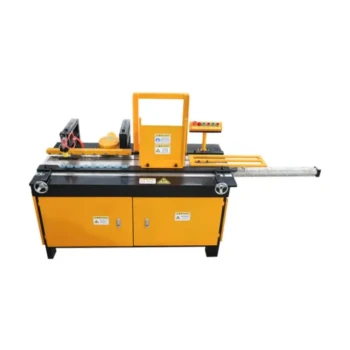
- High-Efficiency Pneumatic Bee Hive Making Machine for Rapid Box Assembly
- Mini Desktop Bee Hive Frame Forming Making Machine
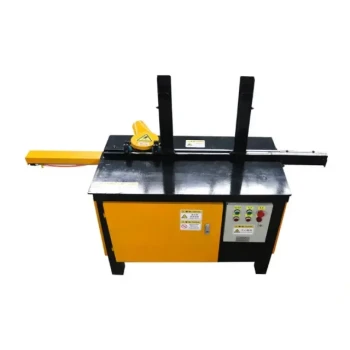
- Beehive Handle and Frame Rest Cutting Machine: Your Specialized Hive Machine
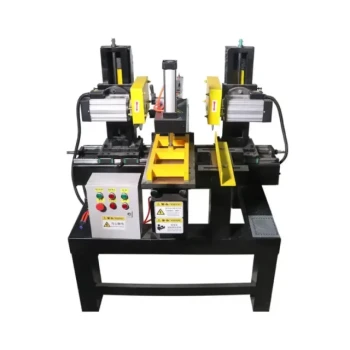
- Beehive Machine Double End Saw for Precision Hive Component Manufacturing
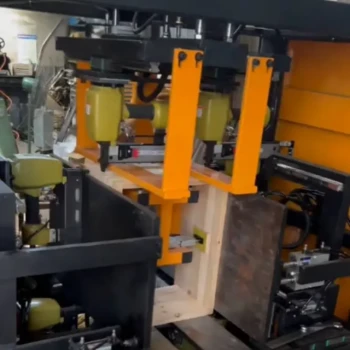
- Automatic High-Speed Bee Hive Box Stapling Machine
People Also Ask
- How does the introduction of professional beehive-making machinery benefit sustainable beekeeping? Scale Your Apiary
- Why is specialized beehive-making machinery critical for low-defense breeding? Enhance Selection with Precision Tools
- How does the introduction of specialized beehive making machinery contribute to increasing the scale of regional beekeeping industries?
- What is the importance of specialized beehive making machinery in a circular bio-economy? Build Local Sustainability
- Why is specialized beehive-making machinery essential? Scale Your Apiary with Precision Industrial Standards