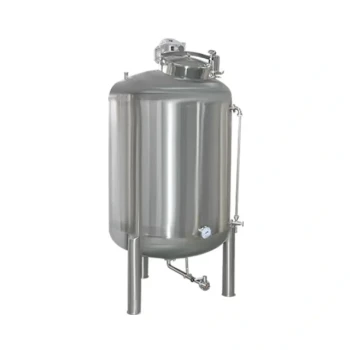
Industrial-grade storage facilities mitigate seasonal volatility by creating a controlled environment that decouples the time of harvest from the time of sale. By strictly regulating temperature, humidity, and light exposure, these facilities delay natural degradation processes like browning and crystallization, allowing producers to stockpile inventory during peak production and release it strategically during shortages.
By transforming honey from a perishable, seasonal crop into a stable inventory asset, advanced storage infrastructure enables producers to maintain consistent market flow and secure revenue despite the natural boom-and-bust cycles of nature.
Preserving Product Integrity
To sell honey year-round, the physical product must remain shelf-stable long after the harvest season ends.
Controlling the Environment
Industrial facilities provide precise temperature and humidity regulation. This is critical because fluctuating environmental conditions accelerate the degradation of honey.
Delaying Physical Changes
Natural honey tends to brown and crystallize over time. Advanced storage infrastructure effectively delays these chemical reactions, keeping the honey in a liquid, visually appealing state that meets consumer standards for longer periods.
Preventing Spoilage
Beyond aesthetics, these facilities prevent spoilage. By shielding honey from light and managing moisture, producers prevent fermentation, ensuring the product remains safe and marketable during off-peak seasons.
Economic Stability and Market Control
The primary value of industrial storage is not just preservation, but the leverage it provides in the marketplace.
Alleviating Supply Pressure
Honey production is inherently seasonal, leading to periods of massive oversupply. Without storage, producers are often forced to slash prices just to move inventory immediately after harvest.
Stabilizing Income Streams
Storage facilities allow marketers to hold inventory during these surplus periods. They can then release stock gradually during supply shortages, ensuring a steady income throughout the year rather than a single seasonal spike.
Maintaining Market Flow
Reliability is key to commercial success. Industrial storage enables producers to guarantee a consistent supply chain to buyers, regardless of the current harvest conditions or season.
Understanding the Trade-offs
While the benefits are clear, adopting industrial storage strategies requires careful consideration of the operational shifts involved.
Capital Investment
The transition to "advanced storage infrastructure" represents a move toward commercialized operations. It requires significant upfront investment compared to traditional, short-term storage methods.
Dependency on Infrastructure
Success relies on the continuous functionality of the facility. A failure in temperature or humidity control can lead to the very spoilage and crystallization the system was designed to prevent.
Making the Right Choice for Your Operation
Deciding to utilize industrial-grade storage depends on your specific business objectives regarding quality control and cash flow.
- If your primary focus is Economic Stability: Utilize storage to withhold inventory during peak harvest oversupply, preventing the need for price-slashing.
- If your primary focus is Product Quality: Leverage controlled environments to prevent fermentation and delay crystallization, extending the shelf-life of your premium products.
- If your primary focus is Market Growth: Use the stockpile to guarantee consistent fulfillment to large buyers, even during production droughts.
True market resilience comes not just from how much honey you harvest, but from how effectively you manage it after it leaves the hive.
Summary Table:
| Mitigation Strategy | Functional Mechanism | Business Benefit |
|---|---|---|
| Environment Control | Precise temperature & humidity regulation | Prevents fermentation and chemical degradation |
| Crystallization Delay | Stable, controlled cooling environments | Maintains liquid state and visual appeal longer |
| Supply Buffering | Decoupling harvest time from sale time | Eliminates price-slashing during peak harvests |
| Market Reliability | Year-round inventory stockpiling | Guarantees consistent fulfillment to major buyers |
Scale Your Apiary Operations with HONESTBEE
Transitioning to industrial-grade storage is a vital step toward market resilience. At HONESTBEE, we empower commercial apiaries and distributors to master their supply chain with our comprehensive wholesale solutions.
Whether you need advanced honey-filling machines to process your harvest or specialized beekeeping machinery and tools to scale production, we provide the industrial hardware and essential consumables required to maintain consistent market flow.
Ready to stabilize your revenue and protect your product integrity?
Contact HONESTBEE Today to Discuss Your Wholesale Equipment Needs
References
- J. A. Ugbe, H. D. Japheth. SWOT Analysis of Honey Producers and Marketers in Cross River State, Nigeria. DOI: 10.5281/zenodo.18070574
This article is also based on technical information from HonestBee Knowledge Base .
Related Products
- Professional Honey Storage Tank with Agitation System
- Hexagonal Glass Honey Jar with Wooden Lid Integrated Dipper Elegant Functional Storage
- Stainless Steel Honey Storage Tank with Lid for Honey
- Stainless Steel Honey Storage and Settling Tank with Double Strainer
- Hexagonal Glass Honey Jars with Metal Lug Caps Elegant Versatile Packaging
People Also Ask
- What economic role do honey storage tanks play? Boost Your Revenue Through Strategic Inventory Management
- What roles do industrial honey storage tanks and filtration meshes play in processing? Ensure Purity & Consistency
- What is the purpose of a honey storage tank? Streamline Your Honey Processing for Quality & Efficiency
- What are honey storage tanks used for? Essential Features for Quality Preservation and Profit
- How do large honey storage tanks and gravity fall filling systems improve honey packaging efficiency and safety?