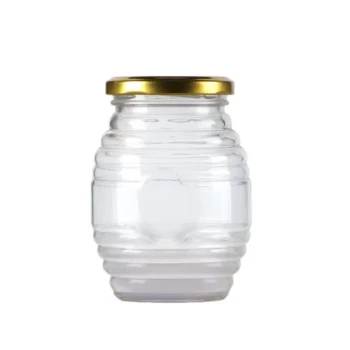
Protective storage is the only way to arrest the rapid chemical degradation of royal jelly. Light-proof vials prevent the photo-oxidation of sensitive fatty acids, while low-temperature freezers (maintained at -20°C) halt enzymatic reactions and microbial growth. This dual approach is essential for preserving the bioactivity of key components like 10-HDA.
Core Takeaway: Royal jelly is a biologically active substance that begins degrading immediately upon harvest. Rigorous cold chain protocols and light exclusion are not merely storage methods; they are active preservation measures required to lock in nutritional value and medicinal efficacy.
The Chemistry of Vulnerability
Sensitivity of Bioactive Compounds
Royal jelly derives its value from heat-sensitive proteins and specific fatty acids, most notably 10-hydroxy-2-decenoic acid (10-HDA).
These components are chemically unstable. Without intervention, they degrade rapidly, resulting in a direct loss of the product's medicinal properties and commercial value.
The Threat of Lipid Oxidation
In non-frozen states, the lipids (fats) within royal jelly are highly prone to oxidation.
This chemical reaction changes the composition of the jelly over time. To prevent this, the environment must be controlled to inhibit the movement and reactivity of these molecules.
The Function of Light-Proof Vials
Preventing Photo-Oxidation
Light exposure acts as a catalyst for decomposition. Using opaque or UV-resistant packaging is critical to block light from interacting with the jelly.
This barrier prevents photo-oxidation reactions that specifically target and break down 10-HDA and light-sensitive proteins.
Reducing Oxygen Exposure
Beyond blocking light, utilizing small-capacity containers offers a secondary benefit by minimizing the surface area exposed to air.
This reduction in headspace limits the oxygen available for oxidative spoilage. It also facilitates easier sampling and precise weight recording without exposing the bulk product to the environment.
The Function of Low-Temperature Freezers
Halting Enzymatic Activity
Proteins in royal jelly contain enzymes that remain active at room temperature. These enzymes will naturally break down the jelly's nutritional structure if left unchecked.
Industrial freezers maintaining a temperature of -20°C are necessary to effectively "lock" this protein activity. This ensures the biochemical profile remains static from the moment of harvest.
Inhibiting Microbial Growth
Royal jelly is a nutrient-rich medium that can support bacteria.
freezing the product creates a hostile environment for microbes. This inhibits microbial growth, ensuring the product remains safe for consumption and standardized for future analysis.
Common Pitfalls to Avoid
Inconsistent Temperatures
While industrial standards often cite -18°C, the primary requirement for maximum preservation is a stable -20°C.
Fluctuations above this threshold can reactivate enzymes. Even brief periods in a "non-frozen state" can trigger irreversible chemical changes that lower the grading of the final product.
Improper Container Sealing
Using a light-proof vial is ineffective if the seal is compromised.
Vials must be sealed immediately to prevent air exchange. If the seal fails, oxidation will occur regardless of the temperature or opacity of the container.
Making the Right Choice for Your Goal
To ensure your royal jelly retains its quality, align your storage protocols with your specific objectives:
- If your primary focus is Commercial Value: Ensure your freezers maintain a strict -20°C to lock in protein activity, which is the key indicator of freshness for buyers.
- If your primary focus is Medicinal Efficacy: Prioritize opaque, UV-resistant vials to protect 10-HDA levels from photo-oxidation.
By combining absolute light exclusion with ultra-low temperature freezing, you transform a perishable harvest into a stable, high-value commodity.
Summary Table:
| Storage Factor | Protective Tool | Primary Benefit |
|---|---|---|
| Light Exposure | Opaque/UV-Resistant Vials | Prevents photo-oxidation of 10-HDA and sensitive proteins. |
| Enzymatic Action | Low-Temp Freezers (-20°C) | Halts internal chemical reactions and preserves protein structure. |
| Oxidation | Small-Capacity Sealed Vials | Minimizes oxygen contact and reduces headspace for spoilage. |
| Microbial Growth | Industrial Freezing | Inhibits bacteria to ensure product safety and standardization. |
Maximize the Value of Your Harvest with HONESTBEE
Preserving the delicate bioactivity of royal jelly requires professional-grade equipment. At HONESTBEE, we specialize in supporting commercial apiaries and distributors with high-performance beekeeping machinery and essential consumables.
From specialized storage solutions to honey-filling machines and hive-making hardware, we provide the full spectrum of tools needed to maintain your product's medicinal efficacy and market value. Let us help you streamline your production and protect your investment.
Ready to upgrade your apiary’s efficiency?
Contact Us Today for Wholesale Solutions
References
- Maria Josiane Sereia, Priscila Wielewski. Alternative sources of supplements in Africanized honeybees submitted to royal jelly production. DOI: 10.4025/actascianimsci.v35i2.16976
This article is also based on technical information from HonestBee Knowledge Base .
Related Products
People Also Ask
- What are the benefits of glass jars regarding strength and safety for storing honey? Ensure Purity and Long-Term Quality
- What are the advantages of using glass jars for honey storage? Ensure Purity and Premium Appeal for Your Product
- What are the benefits of using high-transparency Glass Jars for honey? Elevate Purity and Premium Branding
- What is the aesthetic appeal of using glass jars for honey? Elevate Your Brand with Premium Packaging
- Which container is best for storing honey? Preserve Purity & Flavor with the Right Choice