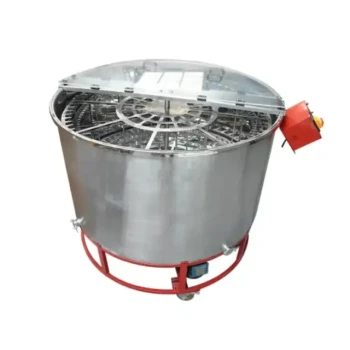
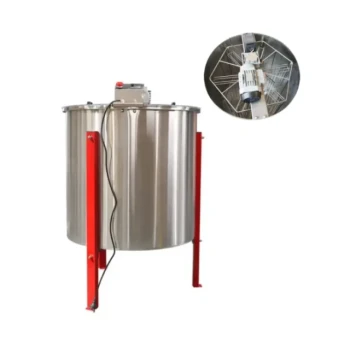
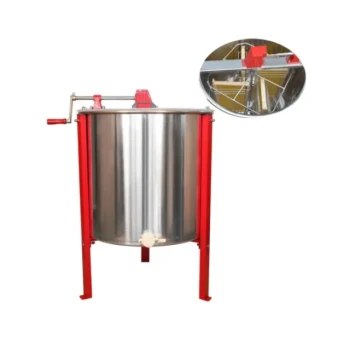
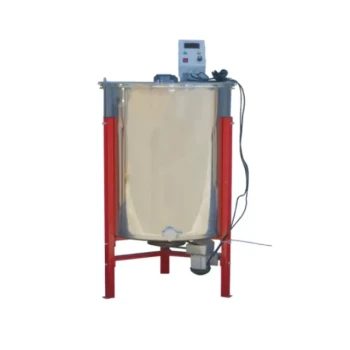
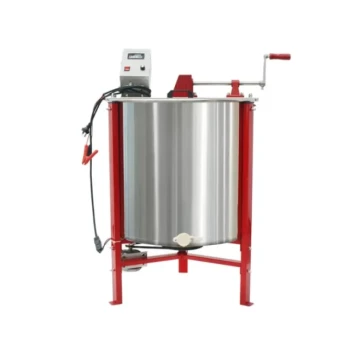
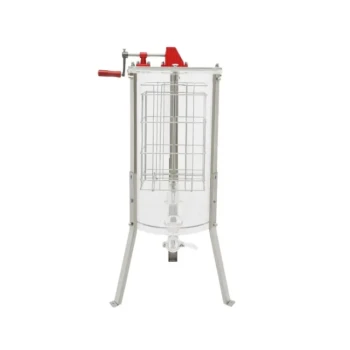
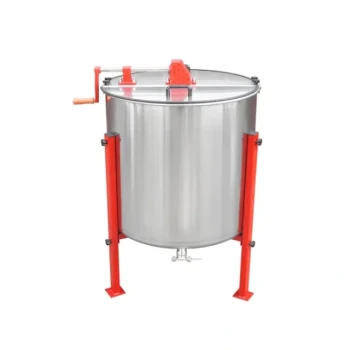
The choice between manual and electric honey extractors fundamentally depends on the scale of your apiary and your willingness to perform physical labor. Manual extractors are cost-effective, hand-cranked devices best suited for hobbyists with eight or fewer hives, while electric extractors utilize motors to provide high-efficiency processing for growing or large-scale operations.
The decision is rarely just about the machine; it is a balance between your budget and the value you place on your time and physical energy.
Matching Capacity to Apiary Size
The Hive Count Threshold
Your current and projected number of hives is the most critical deciding factor. Manual extractors are designed for small hobbyists, typically effective for those managing eight or fewer hives.
Scaling Up Operations
Once an apiary grows beyond ten hives, or deals with large quantities of honey, electric extractors become the standard recommendation. They are engineered to support growing or large apiaries where manual cranking becomes impractical.
Frame Volume
The throughput difference is significant. Manual units generally hold between 2 and 8 frames at a time. In contrast, electric models range vastly in size, capable of holding anywhere from 2 up to 100 frames per cycle.
Efficiency and Labor
The Power Source
The primary difference is the drive mechanism. Manual extractors rely entirely on the operator to turn a hand crank to generate centrifugal force. Electric extractors utilize an electric motor to spin the frames automatically.
Speed and Output
Electric extractors offer higher efficiency, saving significant time and labor during harvest. Manual extractors have lower efficiency, making them slower and more physically demanding for the beekeeper.
Build and Control Mechanics
Material Durability
Manual extractors are commonly constructed from either food-grade plastic or stainless steel, offering a lighter-weight option. Electric extractors are typically built from stainless steel to withstand the higher speeds and vibration of the motor.
Precision Speed Control
Surprisingly, manual extractors often offer superior control ("very good") over the spinning process. The direct tactile feedback allows the user to intuitively adjust speed to prevent blowing out delicate combs. Electric models offer "good" control, usually via a speed dial, but lack that direct physical connection.
Frame Orientation
Regarding how frames sit inside the drum, there is no technical disadvantage to either type. Both manual and electric extractors support tangential (facing the wall) or radial (facing the center) frame placement.
Understanding the Trade-offs
Cost vs. Physical Effort
The manual extractor is the lower-cost option, but the "hidden cost" is physical exertion. It requires sustained arm strength and endurance, which can be exhausting during a large harvest.
Investment vs. Ease
Electric extractors require a higher upfront financial investment. In exchange, they eliminate the physical labor of cranking, making them ideal for beekeepers with physical limitations or those seeking a streamlined workflow.
Making the Right Choice for Your Goal
Selecting the right equipment requires an honest assessment of your budget, physical ability, and future growth plans.
- If your primary focus is cost-effectiveness for a small hobby: Choose a manual extractor, as it is affordable and manageable for apiaries with eight or fewer hives.
- If your primary focus is efficiency or accommodating physical limitations: Invest in an electric extractor to minimize labor and significantly speed up the harvest process.
- If your primary focus is precision and a hands-on experience: A manual extractor offers the best speed control and a closer connection to the extraction process.
Select the tool that solves your immediate labor challenges while leaving room for your apiary to expand.
Summary Table:
| Feature | Manual Honey Extractor | Electric Honey Extractor |
|---|---|---|
| Best For | Hobbyists (1-8 Hives) | Commercial & Growing Apiaries (10+ Hives) |
| Capacity | 2 - 8 Frames | 2 - 100+ Frames |
| Drive Mechanism | Hand Crank (Manual) | Electric Motor (Automatic) |
| Labor Intensity | High (Physically demanding) | Low (Efficient & Automated) |
| Speed Control | Tactile/Intuitive (Very Good) | Speed Dial (Good) |
| Material | Stainless Steel or Food-grade Plastic | High-grade Stainless Steel |
| Price Point | Budget-friendly | Higher Investment |
Maximize Your Honey Production with HONESTBEE
Whether you are a growing distributor or a large-scale commercial apiary, the right equipment is the backbone of a successful harvest. At HONESTBEE, we specialize in empowering beekeeping businesses with a comprehensive range of professional-grade tools and machinery.
Our Value to You:
- Wholesale Solutions: A full spectrum of beekeeping tools and essential consumables at competitive wholesale prices.
- Advanced Machinery: From high-capacity electric extractors and hive-making machines to precision honey-filling systems.
- Custom Merchandise: Unique honey-themed cultural products to enhance your brand's market appeal.
Ready to scale your operations and reduce labor costs? Contact our expert team today to discuss how our hardware and machinery can optimize your facility.
Related Products
- HONESTBEE 72 Frame Industrial Electric Honey Extractor for Beekeeping
- Commercial Electric 12 Frame Honey Extractor Spinner Motorized Honey Extractor
- HONESTBEE 6 Frame Self Reversing Electric Honey Extractor for Beekeeping
- HONESTBEE 3-Frame Manual Acrylic Honey Extractor
- Stainless Steel Manual 8 Frame Radial Honey Extractor Machine for Beehives
People Also Ask
- What is the importance of balancing honeycomb frames within a honey extractor? Ensure Stability and Protect Machinery
- How is honey separated from the frames after they are uncapped? Efficient Extraction Methods for High Yields
- What are the main benefits of using a honey extractor? Maximize Yields and Protect Your Honeycomb
- What are the recommended methods for removing honey from the honeycomb? Top Extraction Techniques for Maximum Efficiency
- How do manual honey extractors compare to electric honey extractors? Choosing the Right Tool for Your Apiary Growth