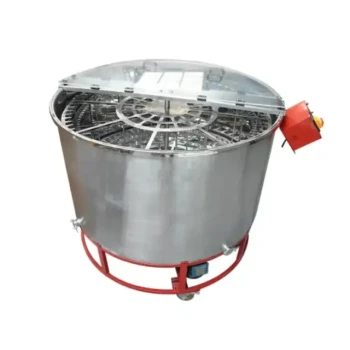
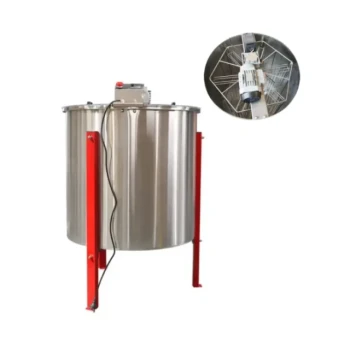
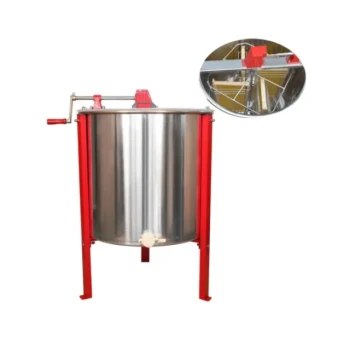
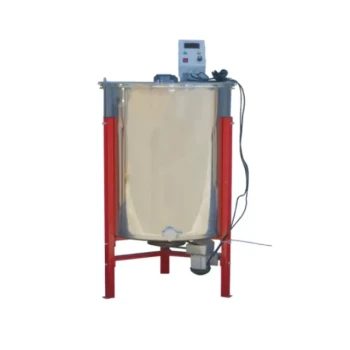
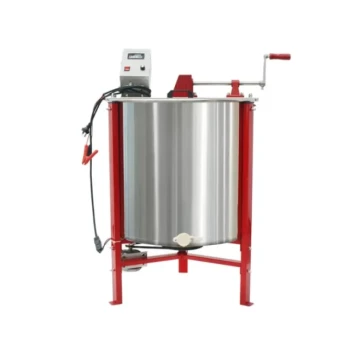
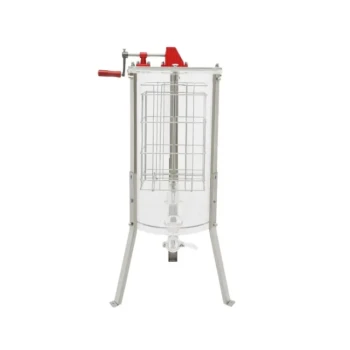
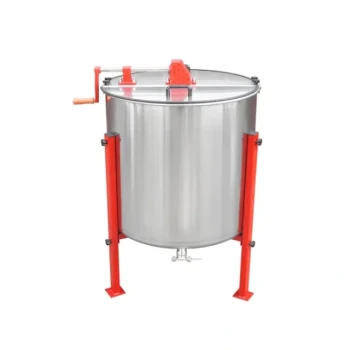
The separation process relies primarily on centrifugal force. Once the wax cappings are removed, the frames are secured inside a specialized device called a honey extractor. This machine spins the frames at high speeds, physically pulling the liquid honey out of the cells and against the walls of the drum.
The standard method for separating honey is using an extractor to spin the liquid out of the comb. This technique maximizes harvest yield while preserving the wax structure so bees can reuse it.
The Mechanics of Extraction
Centrifugal Force in Action
The core principle of a honey extractor is simple physics. The device acts as a centrifuge, holding the frames in a basket that spins rapidly.
As the basket rotates, the outward pressure forces the honey from the uncapped cells. The liquid is flung against the inner wall of the extractor drum, leaving the wax comb intact.
Manual vs. Electric Power
Extractors are powered in one of two ways. Manual extractors rely on a hand crank, requiring the operator to physically generate the necessary speed.
Electric extractors utilize a motor to spin the basket. This provides a consistent velocity and allows the beekeeper to focus on other tasks, such as uncapping the next set of frames, while the machine runs.
Processing the Separated Honey
Gravity and Pooling
Once the honey strikes the walls of the extractor, gravity takes over. The honey flows down the sides of the drum and pools at the very bottom.
Filtration and Purification
To complete the separation process, the honey must be cleared of debris. It is drained through a spigot at the base of the extractor.
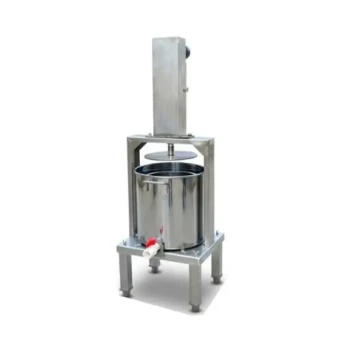
As it flows out, it passes through a honey sieve or strainer. This step filters out remaining wax cappings, bee parts, or other impurities before the honey enters the final bottling bucket.
Understanding the Trade-offs
Equipment vs. Simplicity
Using an extractor is the most efficient method, but it requires specific equipment. Extractors can be bulky to store and represent an upfront financial investment.
The "Crush-and-Strain" Alternative
If an extractor is not available, beekeepers may use the "crush-and-strain" method. This involves physically breaking the comb and filtering the honey through a mesh.
While this requires no machinery, it destroys the wax comb. This forces the bees to consume significant energy and resources to rebuild the comb next season, rather than immediately refilling it.
Making the Right Choice for Your Goal
Selecting the right separation method depends on the scale of your operation and your long-term goals for the colony.
- If your primary focus is maximum yield and colony health: Use a centrifugal extractor (manual or electric) to harvest the honey without destroying the drawn comb, allowing bees to reuse it immediately.
- If your primary focus is low-cost entry: Use the crush-and-strain method, understanding that you will sacrifice the comb and lower the colony's productivity for the following season.
The ideal separation method balances the ease of harvest with the preservation of your bees' hard work.
Summary Table:
| Extraction Method | Primary Mechanism | Comb Preservation | Best For |
|---|---|---|---|
| Centrifugal Extractor | High-speed spinning (Centrifuge) | High (Reusable) | Commercial yield & efficiency |
| Manual Extractor | Hand-cranked spinning | High (Reusable) | Small-scale hobbyists |
| Crush-and-Strain | Physical breaking & gravity | Low (Destroyed) | Low-cost entry, no equipment |
| Electric Extractor | Motorized spinning | High (Reusable) | Professional apiaries & scale |
Maximize Your Harvest Efficiency with HONESTBEE
At HONESTBEE, we understand that time and yield are critical for commercial apiaries and distributors. Our professional-grade honey extractors and honey-filling machines are engineered to streamline your production, ensuring every drop is harvested while keeping your wax combs intact for the next season.
From high-capacity machinery to essential beekeeping tools and industry consumables, we provide everything your business needs to scale. Ready to upgrade your extraction line?
Contact Our Wholesale Team Today to discover how our comprehensive equipment solutions can grow your apiary.
Related Products
- HONESTBEE 72 Frame Industrial Electric Honey Extractor for Beekeeping
- Commercial Electric 12 Frame Honey Extractor Spinner Motorized Honey Extractor
- HONESTBEE 6 Frame Self Reversing Electric Honey Extractor for Beekeeping
- HONESTBEE 3-Frame Manual Acrylic Honey Extractor
- Stainless Steel Manual 8 Frame Radial Honey Extractor Machine for Beehives
People Also Ask
- What is the importance of balancing honeycomb frames within a honey extractor? Ensure Stability and Protect Machinery
- What are the main benefits of using a honey extractor? Maximize Yields and Protect Your Honeycomb
- What are the recommended methods for removing honey from the honeycomb? Top Extraction Techniques for Maximum Efficiency
- How do manual honey extractors compare to electric honey extractors? Choosing the Right Tool for Your Apiary Growth
- What is the primary benefit of using a honey extractor compared to older methods? Boost Yield & Save Your Bees' Energy