Marked queens serve as the visual cornerstone of effective colony management, acting as an immediate indicator of a hive’s genetic history and temperament. By rendering the queen easily visible, beekeepers can instantly assess her age and origin, allowing for the rapid replacement of aggressive genetics with gentler strains when necessary.
Core Takeaway Marking queens transforms the complex task of genetic management into a streamlined operational process. It provides the visual data necessary to link colony behavior directly to the queen, enabling swift intervention to replace defensive traits with docile ones.
The Mechanics of Temperament Control
Visual Identification and Speed
In a colony teeming with thousands of bees, locating the queen can be difficult and time-consuming. Markings make the queen instantly recognizable, significantly reducing the time the hive must be open during inspections.
Facilitating Swift Re-queening
When a colony exhibits abnormal defensive or aggressive behavior, the root cause is often genetic. To solve this, the existing queen must be found and removed before a new one can be introduced.
The high visibility of a marked queen allows beekeepers to execute this re-queening operation quickly and efficiently. This speed is critical in aggressive hives, where prolonged inspections can escalate colony stress and defensive attacks.
Managing Genetic Lineage
Tracking Age and Origin
A mark is not just a spot of color; it is a data point. The specific color or number used often correlates to the queen's year of birth or the specific breeder she originated from.
This allows the beekeeper to track the longevity and performance of specific genetic lines over time.
Selecting for Gentleness
Marked queens are typically selected specifically from strains known for gentle behavior. The mark serves as a badge of this selection process.
By introducing these pre-selected, marked queens, beekeepers actively infuse docile genetic traits into the apiary. Over time, this improves the overall behavior of the bee colony, making management safer and less disruptive.
Understanding the Trade-offs
The Limits of Visual Aids
While markings provide immediate data, they are not permanent guarantees of behavior. Paint can wear off, or the colony may supersede (replace) the marked queen with an unmarked daughter naturally.
Misinterpretation of Aggression
It is crucial not to rely solely on the queen's genetics when diagnosing aggression. While re-queening is effective for genetic issues, external factors like pests, predators, or poor handling can also cause defensiveness. Replacing a marked queen will not solve aggression caused by environmental stress.
Making the Right Choice for Your Goal
To effectively utilize marked queens in your apiary management strategy, consider your primary objectives:
- If your primary focus is Temperament Management: Prioritize purchasing marked queens from breeders with a proven track record of docility to dilute aggressive traits in your apiary.
- If your primary focus is Operational Efficiency: Use a standardized color-coding system for markings to instantly verify the age of your queens during rapid inspections.
By treating the marked queen as a tool for both identification and genetic control, you ensure the long-term stability and calmness of your colonies.
Summary Table:
| Benefit Category | Impact on Management | Primary Outcome |
|---|---|---|
| Temperament Control | Rapid identification and replacement of aggressive queens | Reduction in hive defensiveness and stress |
| Genetic Tracking | Visual data on queen age, origin, and lineage | Improved longevity and performance monitoring |
| Operational Speed | Faster hive inspections and queen location | Minimized colony disruption and labor time |
| Selective Breeding | Easy verification of docile strain introduction | Long-term stabilization of gentle genetic traits |
Elevate Your Apiary Operations with HONESTBEE
Managing colony genetics and temperament is essential for the success of commercial apiaries and distributors. At HONESTBEE, we empower your business by providing a comprehensive wholesale range of professional beekeeping tools, from precision queen-marking supplies to advanced honey-filling machines and hive-making hardware.
Our mission is to support your growth with high-quality machinery, essential industry consumables, and unique honey-themed cultural merchandise. Partner with us to streamline your production and enhance your genetic management strategies.
Contact HONESTBEE Today to Discuss Your Wholesale Needs
References
- Jamie Ellis, Jerry Hayes. Best Management Practices for Siting Honey Bee Colonies: Good Neighbor Guidelines. DOI: 10.32473/edis-aa137-2014
This article is also based on technical information from HonestBee Knowledge Base .
Related Products
- Queen Bee Marking Pen UNI Medium Point for Queen and Bee Marking
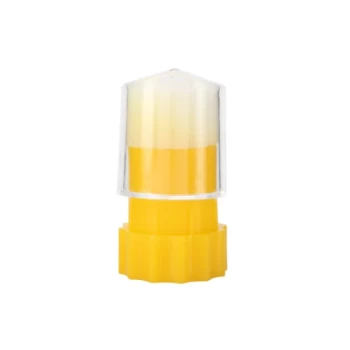
- Plastic Queen Marking Tube Cage with Plunger for Beekeeping
- Queen Bee Marking Tube Cage Bottle Catcher Holder with Clear Plastic Plunger Marker
- One Hand Yellow Queen Marking Catcher Tube Cage Beekeeper Tool Accessory for Queen Bee
- Plastic Long Marker Device for Catching and Marking Bees Queen Bee Marking Tube and Cage
People Also Ask
- How should a new paint pen be primed before marking a queen bee? Essential Tips for Safe & Clear Markings
- How should a queen bee marking pen tip be properly primed? Master the Art of Safe Queen Marking
- What specifications are required for a high-quality queen bee marking pen? Ensure Safety and Precision for Your Colony
- What role do specialized marking pens and color-coding systems play in honeybee tracking? Enhance Research Precision
- Where on the queen bee's body should the mark be applied? Master the Art of Safe Queen Identification