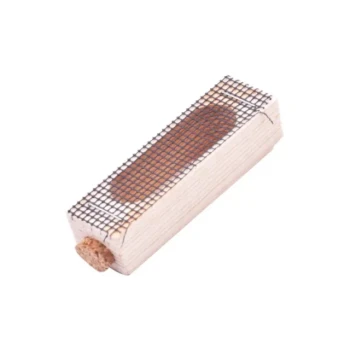
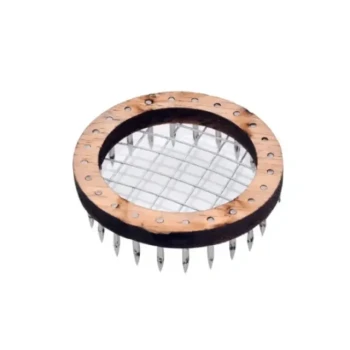
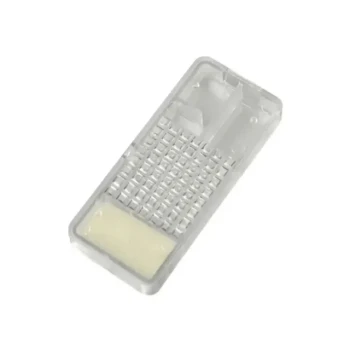
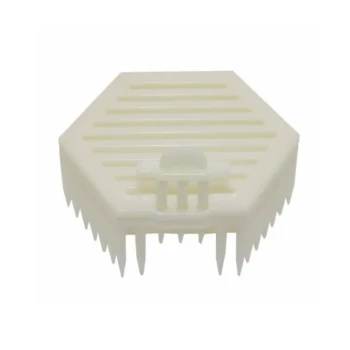
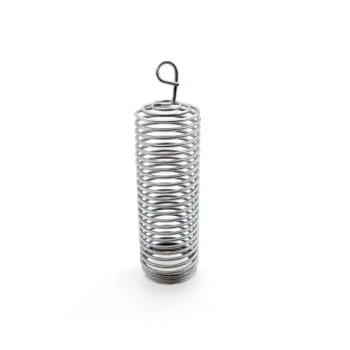
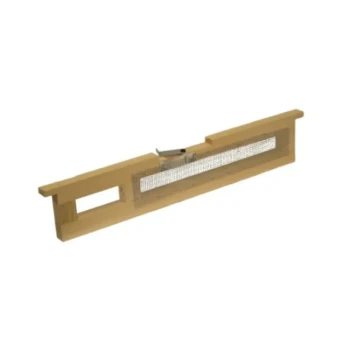
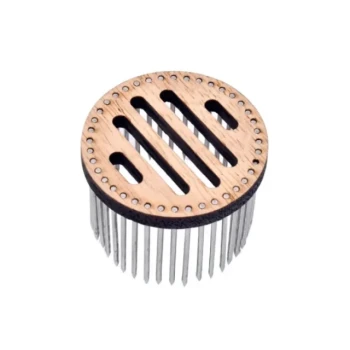
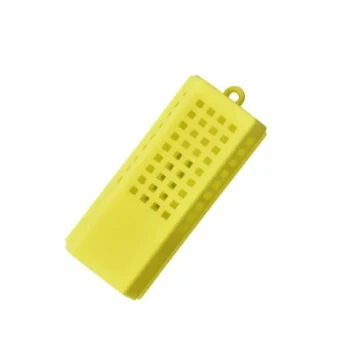
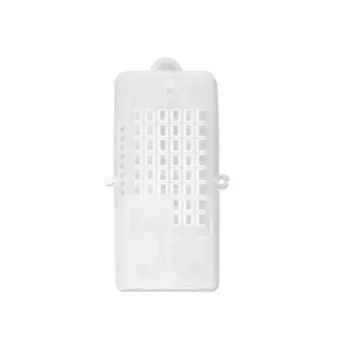
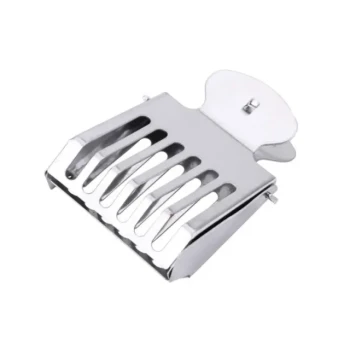
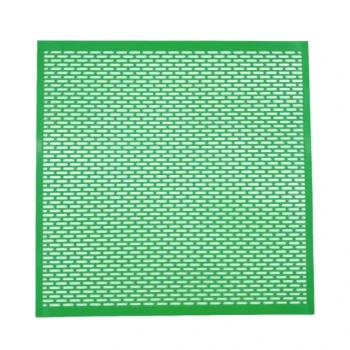
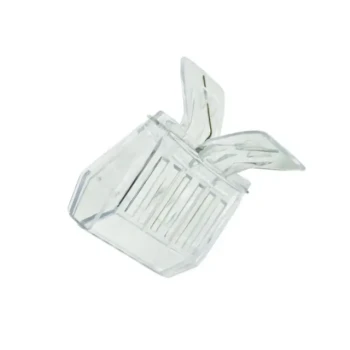
Mesh covers and peripheral isolators function as selective biological filters during the queen introduction process. They are designed to allow smaller, non-aggressive young nurse bees to enter and tend to the queen, while physically blocking larger, aggressive older foragers from reaching her. This creates a protected micro-environment where the queen can be groomed and fed by safe bees, significantly reducing the likelihood of rejection in complex or strong colonies.
By leveraging the lack of aggressive instincts in young bees, these tools bridge the gap between total isolation and full release, prioritizing the formation of a safe "retinue" before the queen faces the wider colony.
The Mechanics of Selective Contact
Filtering by Behavioral Stage
The primary advantage of these devices is their ability to differentiate between colony members based on maturity. Young nurse bees generally lack the aggressive defense instincts found in older bees. Peripheral isolators permit these safe workers to pass through or access the queen, initiating immediate caretaking behavior such as feeding and grooming.
Blocking Aggressive Foragers
Older worker bees, specifically foragers, are the primary threat to a new queen. They are territorially aggressive and prone to balling (attacking) an unfamiliar queen. The mesh or isolator structure acts as a rigid physical barrier against these larger, hostile bees, preventing them from harming the queen while she remains vulnerable.
Establishing a Micro-Environment
Instead of complete isolation, this method creates a gentle micro-environment. Because the queen is attended to by nurse bees inside the protection of the mesh, she is less stressed and better nourished. This early social integration often leads to faster acceptance once the physical barriers are fully removed.
Pheromone Integration and Safety
Gradual Scent Diffusion
While the primary function is physical filtering, these tools also serve as a medium for odor exchange. The mesh structure allows the queen’s pheromones to diffuse slowly throughout the hive. This signals her presence to the colony without provoking a direct defensive response from the guard bees.
Prevention of Direct Attack
In standard introductions, a sudden release can trigger an attack due to scent mismatch. The mesh cover ensures that even if the colony is initially hostile, the workers cannot physically reach the queen to sting or ball her. This transitional safety zone allows the colony's social order to realign around the new queen's scent profile over time.
Understanding the Trade-offs
Equipment Complexity
Unlike simple mailing cages with candy plugs, peripheral isolators and large mesh covers may require more space or specific frame manipulation within the hive. They are generally more intrusive to install than a standard cage suspended between frames.
Necessity of Nurse Bees
The success of this method relies heavily on the presence of young bees near the introduction site. If the device is placed in an area of the hive dominated solely by foragers, the selective contact mechanism fails because the "safe" bees are not present to enter the isolator.
Making the Right Choice for Your Goal
To ensure the highest success rate when introducing valuable queens, align your method with the specific condition of the colony.
- If your primary focus is introducing a high-value queen to a strong colony: Utilize mesh covers or peripheral isolators to leverage the "nurse bee filter," ensuring she is fed and groomed by non-aggressive workers before full release.
- If your primary focus is a standard replacement in a calm colony: A standard queen cage may suffice, relying on the candy plug and pheromone diffusion to manage the transition.
Success in queen introduction is not just about time; it is about managing the social interaction between the new queen and the colony's defensive hierarchy.
Summary Table:
| Feature | Mesh Covers / Peripheral Isolators | Standard Queen Cages |
|---|---|---|
| Mechanism | Behavioral filtering (Nurse bees only) | Total physical isolation |
| Social Integration | Immediate grooming & feeding by colony | Minimal contact until candy is eaten |
| Safety Level | High (Protects against aggressive foragers) | Moderate (Risk during sudden release) |
| Best Use Case | High-value queens or strong, aggressive colonies | Standard replacements in calm colonies |
| Pheromone Flow | Gradual and stable diffusion | Concentrated around cage area |
Maximize Your Colony Success with HONESTBEE
Ensure seamless queen integration and peak apiary productivity with premium beekeeping solutions from HONESTBEE. As a dedicated partner to commercial apiaries and global distributors, we provide more than just tools—we offer the expertise and machinery needed to scale your operations.
From advanced peripheral isolators and mesh covers to industrial-grade hive-making and honey-filling machines, our comprehensive wholesale catalog covers every essential industry consumable. Whether you are looking for specialized hardware or honey-themed cultural merchandise to expand your brand, we deliver quality you can trust.
Ready to upgrade your equipment? Contact us today to discuss our wholesale offerings and discover how we can streamline your beekeeping business.
References
- Айнур Алдиярова, J. B. Dosbolat. METHODS FOR IMPROVING REPRODUCTIVE AND PRODUCTIVE ABILITIES OF QUEEN BEE IN THE SOUTH OF KAZAKHSTAN. DOI: 10.52578/2305-9397-2023-3-2-226-233
This article is also based on technical information from HonestBee Knowledge Base .
Related Products
- Classic Wooden and Mesh California Queen Cage
- Wood and Mesh Push-In Queen Cage
- Professional Queen Bee Introduction and Transport Cage
- Hexagonal Direct Comb Introduction Queen Bee Cage
- Durable Galvanized Steel Spring Queen Bee Cage
People Also Ask
- How are queen cages used to protect newly hatched queens? Secure Your Virgin Queens During Development
- Why are queen cages or grid cages used in bee studies? Achieve Precise Biological Data for Research
- Why are professional queen cages necessary for queen replacement? Secure Your Apiary’s Future
- What should be done if bees damage the queen cage? Secure Your Queen with These Emergency Intervention Steps
- What is the correct procedure for installing a queen cage into a new hive? A Pro Guide for Colony Success