Metal scale frames equipped with high-precision strain gauge pressure sensors act as a continuous diagnostic tool for monitoring honey bee behavior without disturbing the colony. By positioning these sensors at the base of the hive, beekeepers can capture real-time, 24/7 weight data that reveals critical insights into daily foraging rhythms, nectar processing, and security threats.
By translating subtle physical mass fluctuations into digital data, this system provides a direct physical basis for understanding hive health. It enables the detection of specific behavioral events—from routine foraging to catastrophic robbing—that would otherwise go unnoticed between physical inspections.
Deciphering Hive Behavior Through Weight
To understand how these components contribute to monitoring, one must look beyond simple mass measurement. The system uses high-precision strain gauges to detect dynamic changes—the subtle shifts in weight that occur constantly throughout the day.
Tracking Daily Foraging Rhythms
The primary function of the strain gauge sensors is to identify daily foraging rhythms.
As bees leave and return, the hive's weight fluctuates in a predictable pattern.
Continuous monitoring allows you to visualize the intensity of the workforce and the availability of external resources without opening the hive.
Monitoring Nectar Processing
Weight data provides visibility into the hive's internal processing, specifically water evaporation.
After foraging, bees must cure nectar by evaporating water content, which results in a measurable reduction in hive mass.
Tracking this specific type of weight loss confirms that the colony is successfully converting nectar into honey.
Detecting Abnormal Weight Loss
The sensors act as an early warning system for abnormal weight loss events.
Sudden deviations from the expected baseline indicate health issues or resource scarcity.
This continuous stream of data allows for intervention before a colony collapses due to starvation or dwindling population.
Critical Security Application: Identifying Robbing
One of the most valuable contributions of metal scale frames is the detection of robbing incidents, where intruder bees steal resources from a weaker hive.
Recognizing the Pattern
During a robbing event, the scale frame records a distinctive, sharp decrease in weight.
Unlike the gradual decline caused by evaporation or consumption, robbing results in rapid mass loss.
Quantifying the Threat
The data provides a direct physical basis for identifying the intensity and scale of the event.
Beekeepers can determine exactly how much honey is being lost and how quickly the attack is proceeding.
Understanding the Trade-offs
While strain gauge sensors are powerful, it is important to understand the nature of the data they provide.
Data Interpretation is Required
The sensors provide raw physical data (weight change), not a video feed.
You must learn to distinguish between different causes of weight loss; for example, distinguishing a swarm event (sudden drop) from intense robbing (rapid drop) relies on analyzing the speed and timing of the data spike.
Environmental Context
Weight fluctuates naturally with humidity and equipment changes.
To get the most out of the system, you must view the "dynamic changes" in the context of the weather and your own management actions.
Making the Right Choice for Your Goal
How you utilize this technology depends on your specific management objectives.
- If your primary focus is Colony Security: Monitor for sharp weight decreases to trigger immediate alerts regarding robbing incidents or sudden population loss.
- If your primary focus is Productivity: Analyze daily foraging rhythms and water evaporation rates to assess the availability of nectar flow and the colony's processing efficiency.
Ultimately, integrating metal scale frames converts the hive from a black box into a quantifiable data source, giving you the insight needed to act before a crisis occurs.
Summary Table:
| Feature | Data Tracked | Behavioral Insight |
|---|---|---|
| Foraging Rhythms | Daily weight fluctuations | Monitors workforce intensity and nectar availability. |
| Nectar Processing | Gradual mass reduction | Tracks water evaporation and honey curing efficiency. |
| Security Alerts | Sharp, sudden weight loss | Detects robbing incidents and emergency resource loss. |
| Health Baseline | Long-term mass trends | Identifies potential starvation or colony population decline. |
Elevate Your Beekeeping Operation with HONESTBEE
At HONESTBEE, we specialize in providing commercial apiaries and distributors with the professional-grade tools needed to succeed in a data-driven industry. Our comprehensive wholesale portfolio includes everything from high-precision scale frames and honey-filling machines to specialized hive-making hardware and essential consumables.
Whether you are scaling your commercial production or supplying the next generation of beekeepers, our expert-tested equipment ensures maximum efficiency and colony security. Partner with us to access a full spectrum of beekeeping machinery and honey-themed cultural merchandise designed for global growth.
Ready to upgrade your inventory? Contact us today to explore our wholesale solutions!
References
- Igor Kurdin, Aleksandra Kurdina. Internet of Things Smart Beehive Network: Homogeneous Data, Modeling, and Forecasting the Honey Robbing Phenomenon. DOI: 10.3390/inventions10020023
This article is also based on technical information from HonestBee Knowledge Base .
Related Products
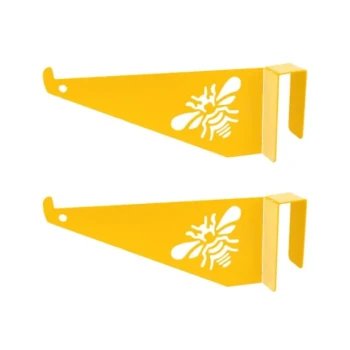
- Heavy Duty Laser Cut Bee Design Metal Frame Perch
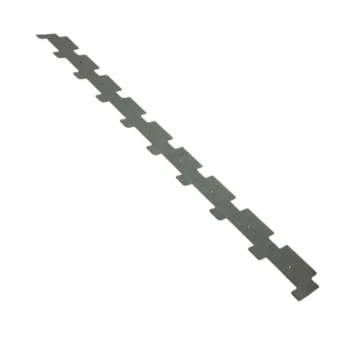
- Heavy Duty Castellated Iron Frame Spacer for Honey Supers
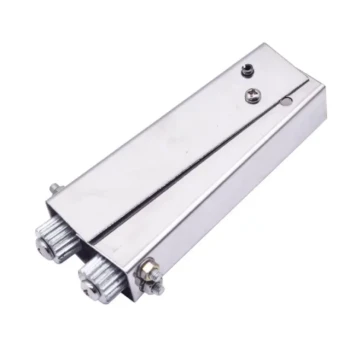
- HONESTBEE Heavy Duty All Metal Frame Wire Crimper Tool
- Professional Galvanized Steel Frame Rest for Beehives
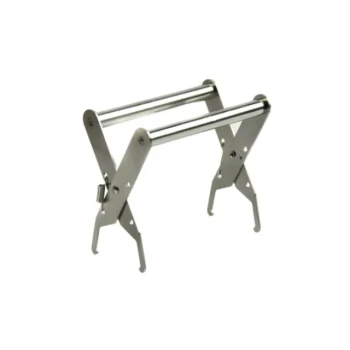
- Durable Galvanized Steel Frame Grip
People Also Ask
- How many frames can a frame perch hold? Optimize Your Hive Inspections with the Right Tool
- What is the function of a frame perch? Enhance Your Hive Inspections and Ensure Colony Safety
- What is a frame perch and what is its purpose? Streamline Your Hive Inspections
- What options are available for the frame perch? Choose Between 1-Piece or 2-Piece Designs
- What is an alternative name for a frame perch? Discover the Essential Frame Rest for Easier Hive Management