Modern beekeeping ecosystems leverage high-precision sensors and specialized hardware to mitigate the threat of the Greater Wax Moth (GWM). By integrating real-time environmental monitoring with high-quality physical barriers, these systems allow for early detection and immediate intervention before larval tunneling destroys the honeycomb structure.
Modern pest management in apiculture has shifted from reactive treatment to a multi-layered defense strategy. By combining IoT-driven microclimate data with precision-engineered hive components, commercial operations can significantly reduce colony loss and protect honey quality.
Early Detection via Integrated Sensor Technology
Microclimate and Temperature Monitoring
Modern sensors track microclimate changes within the beehive to identify the early warning signs of a Greater Wax Moth infestation. Because GWM larvae generate heat as they consume wax, temperature fluctuations can signal an outbreak long before it is visible to the naked eye.
Vibration and Acoustic Analysis
High-sensitivity sensors can detect specific vibration patterns associated with pest movement and larval activity. This data allows beekeepers to implement timely physical or chemical control measures, preventing the destruction of the honeycomb and maintaining production safety.
Real-Time Disaster Warning Systems
Industrial-grade monitoring devices provide a real-time data stream that alerts beekeepers to environmental fluctuations and pest risks. This transparency enables commercial apiaries to adjust their migration routes or deploy temporary protection strategies to mitigate sudden threats.
Physical Barriers and Structural Integrity
High-Precision Sealing and Material Quality
Premium beehives feature high-precision sealing and quality materials that minimize gaps where adult moths can lay eggs. By eliminating these entry points, the hive acts as a physical barrier that reduces the initial parasitic load.
Industrial-Grade Frame Engineering
Well-manufactured hive bodies and frames provide a robust structure that supports the bees' natural defense mechanisms. This allows the honeybee population to focus their efforts on patrolling the combs rather than struggling with structural vulnerabilities in the equipment.
Hive Opening and Inspection Tools
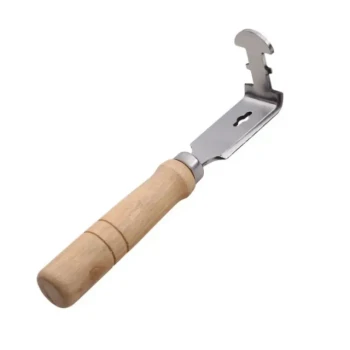
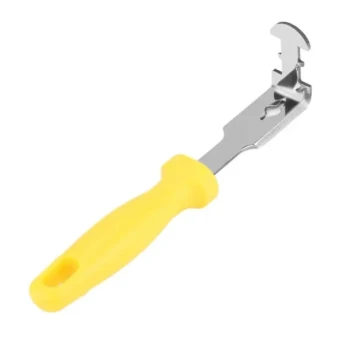
Professional protective gear and specialized opening tools facilitate frequent, deep-intrusive inspections without excessive colony stress. Regular access allows technicians to identify newly built queen cells and early signs of moth larvae, ensuring operational continuity.
Understanding the Trade-offs
Cost vs. Preventive Capability
While advanced sensor systems provide unparalleled data, they require a higher upfront investment compared to traditional woodenware. Distributors must balance the cost of these technologies against the long-term ROI of preventing mass colony loss and absconding.
Technical Expertise and Data Interpretation
Sensor-equipped hives generate vast amounts of data that require a baseline of technical expertise to interpret correctly. Without proper training or simplified user interfaces, beekeepers may struggle to translate sensor alerts into actionable management decisions.
Reliance on Manual Maintenance
No sensor or physical barrier is entirely "set and forget." Even the most advanced systems require regular manual cleaning and the removal of old or abandoned combs to remain effective against the persistent lifecycle of the wax moth.
Applying These Solutions to Your Portfolio
To maximize the value of your inventory and meet the needs of commercial clients, your product selection should address both the monitoring and physical control aspects of pest management.
- If your primary focus is commercial scale and efficiency: Prioritize integrated IoT sensors and automated warning systems that allow for the management of multiple apiaries through a single data dashboard.
- If your primary focus is durability and long-term value: Source high-precision hive bodies with superior sealing properties and high-quality materials that provide a permanent physical defense against egg-laying pests.
- If your primary focus is rapid response and intervention: Stock a comprehensive range of pest control consumables and specialized inspection tools to ensure clients can act immediately upon receiving a sensor alert.
Utilizing a one-stop sourcing strategy for these advanced technologies ensures that beekeeping operations remain resilient, profitable, and protected against evolving biological threats.
Summary Table:
| Technology/Feature | Core Function | Impact on GWM Control |
|---|---|---|
| Microclimate Sensors | Tracks heat spikes from larvae | Early detection before honeycomb damage |
| Acoustic Analysis | Detects pest vibration patterns | Immediate intervention and movement tracking |
| Precision Sealing | Eliminates gaps in hive bodies | Prevents adult moths from laying eggs |
| IoT Dashboards | Real-time data streaming | Remote management of multiple apiary sites |
| Specialized Tools | Facilitates deep inspections | Efficient removal of infected combs and cells |
Scale Your Business with HONESTBEE’s Advanced Beekeeping Solutions
Elevate your wholesale inventory and maximize profit margins with HONESTBEE, your premium partner for one-stop sourcing. We cater specifically to distributors and commercial apiaries, providing a full spectrum of high-quality hardware—from IoT-integrated hive components and honey-filling machinery to essential industry consumables.
Why choose HONESTBEE?
- Comprehensive Portfolio: Access everything from specialized hive-making tools to honey-themed cultural merchandise.
- Unmatched Efficiency: Benefit from rapid response times, ultra-fast delivery, and streamlined order fulfillment.
- Professional Expertise: Leverage our deep industry knowledge and OEM/ODM support to secure your market position.
Ready to enhance your supply reliability? Contact HONESTBEE today to discuss our wholesale offerings and customized solutions!
References
- Mohamed Ezzat Elshekh, Farid Saber Nassar. Climate Change’s Impact on Honeybee Distribution and Population, Habitats, Bioproducts, and Pest Threats as Protective of SDGs. DOI: 10.30564/jees.v7i5.8755
This article is also based on technical information from HonestBee Knowledge Base .
Related Products
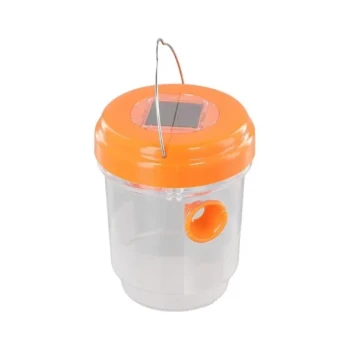
- Professional Bucket Style Wasp and Moth Pheromone Trap
- Plastic Beetle Blaster Trap Beekeeping Tools and Supplies
- Heavy-Duty Ergonomic Grip Galvanized Pollen Shovel
- 12V Bee Mite Removal Evaporator Oxalic Acid Vaporizer for Bee Fumigation Treatment 180W Atomization
- Adjustable Formic and Acetic Acid Dispenser for Bee Mite Treatment
People Also Ask
- What is the function of Pheromone Traps in the biosecurity monitoring of apiaries? Precision Tools for Pest Control
- What role do Pheromone Traps play in the IPM for Large African Hive Beetles? Essential Surveillance & Control Tips
- How do professional wasp traps function? Master Physical Control of Oriental Hornets to Protect Your Apiary
- What are the practical advantages of using professional wasp traps and protective equipment in apiary management? Scale Up
- Why replace sugar syrup bait in wasp traps every three days? Ensure Maximum Attraction and Catch Rates