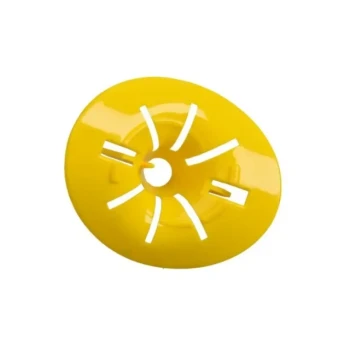
The primary function of insecticide-impregnated harborages is to act as a specialized exclusion barrier that allows for the safe elimination of Small Hive Beetles within a beehive. These devices are designed with a physical structure that permits the small beetles to enter a hiding place while being too small for honeybees to access. This selective design ensures that pests are exposed to lethal insecticides, such as fipronil, without the bees or the hive products ever coming into direct contact with the chemical.
Insecticide-impregnated harborages function as a "safe kill zone" by utilizing a physical barrier to separate the colony from the chemical control agent. They exploit the beetle's natural desire to hide, luring them into a trap that strictly excludes honeybees to prevent collateral damage.
The Mechanics of Targeted Control
The Principle of Physical Exclusion
The critical engineering feature of these harborages is the size of the entry points. They are strictly calibrated to be impassable to honeybees.
This physical barrier is the defining function of the device. It allows beekeepers to introduce potent chemicals into a sensitive food-production environment by mechanically preventing the "non-target" species (the bees) from accessing the poison.
Leveraging Beetle Behavior
Small Hive Beetles naturally seek out dark, protected crevices to hide from aggressive bees. The harborage is designed to act as an attractive refuge for these pests.
By mimicking a natural hiding spot, the device lures the beetles inside voluntarily. Once inside, the beetles are subjected to the insecticide-impregnated surface.
Contained Chemical Exposure
Inside the harborage, the environment contains contact insecticides like fipronil. Because the chemical is sequestered behind the physical barrier, the risk of contaminating the honey or wax is significantly minimized.
This setup allows for high-efficacy pest control that stays contained within the harborage unit itself.
Understanding the Scope and Limitations
Passive Control vs. Active Hunting
It is important to recognize that these harborages are passive traps. They rely entirely on the beetle's behavior to enter the device; they do not actively hunt the pests.
If the beetles do not feel the need to seek refuge, or if the infestation is overwhelming, the passive nature of the trap may limit the speed of control.
Addressing the Total Lifecycle
While harborages effectively target adults inside the hive, they do not address the entire lifecycle of the pest.
Small Hive Beetle larvae eventually leave the hive to crawl into the soil. As noted in broader control strategies, managing ground cover with substances like diatomaceous earth or salt is often required to address the larvae that escape the hive environment.
Making the Right Choice for Your Goal
To effectively manage Small Hive Beetles, you must align your tools with the specific stage of the infestation you are targeting.
- If your primary focus is in-hive adult beetle reduction: Implement insecticide-impregnated harborages to establish a safe, chemical-exclusion zone that kills adults without harming bees.
- If your primary focus is preventing future generations: Complement internal traps with ground measures like diatomaceous earth to target larvae leaving the hive to pupate.
By isolating the chemical threat behind a physical barrier, you turn the beetle's natural instinct to hide into its greatest vulnerability.
Summary Table:
| Feature | Functionality | Benefit |
|---|---|---|
| Physical Exclusion | Calibrated entry points too small for bees | Prevents bee exposure to chemicals |
| Behavioral Lure | Mimics dark, protected hive crevices | Exploits beetle's natural hiding instinct |
| Chemical Containment | Sealed fipronil-treated surfaces | Eliminates beetles without contaminating honey |
| Control Type | Passive in-hive trapping | Targeted reduction of adult beetle populations |
Maximize Your Colony Productivity with Professional Pest Management Solutions
At HONESTBEE, we understand that Small Hive Beetles can devastate a commercial apiary. Our mission is to empower commercial beekeepers and distributors with the highest-grade tools and machinery to ensure colony health and operational efficiency.
How we support your success:
- Comprehensive Wholesale Range: From specialized in-hive traps to honey-themed cultural merchandise.
- Advanced Machinery: Streamline your operations with our hive-making and honey-filling machines.
- Industry Consumables: Get bulk access to the essential hardware and consumables required for large-scale beekeeping.
Don't let pests compromise your honey production. Partner with a supplier that understands the scale of your business. Contact HONESTBEE today to discuss our wholesale offerings and secure your apiary's future!
References
- Frank D. L. Rinkevich, Lelania Bourgeois. In silico identification and assessment of insecticide target sites in the genome of the small hive beetle, Aethina tumida. DOI: 10.1186/s12864-020-6551-y
This article is also based on technical information from HonestBee Knowledge Base .
Related Products
- Wholesales Dadant Size Wooden Bee Hives for Beekeeping
- Professional Bucket Style Wasp and Moth Pheromone Trap
- Gourd Shaped Hanging Wasp Trap Professional Wasp Catcher
- Reusable Clear Small Hive Beetle Traps for Beehives Beetle Trapping Tools
- Reusable Aluminium Beetle Trap for Small Hive Beetles Silver Bullet
People Also Ask
- What are the strategic benefits of installing beekeeping hives at an elevation of 1 to 6 meters? Protect Your Assets
- What are the key advantages of modern improved beekeeping hives? Scale Your Honey Yield and Production Efficiency
- What is the proper way to store unused bee hives? Expert Stacking Tips for Equipment Longevity
- What are the 2 types of bee hives? Langstroth vs. Top-Bar for Your Apiary
- How does the design of improved beekeeping hives contribute to maintaining honey quality and purity? Enhancing Purity