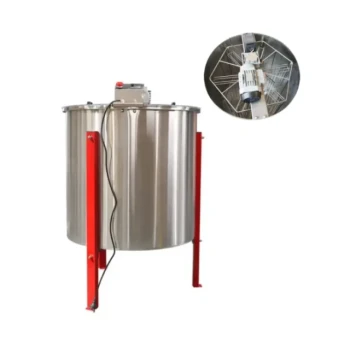
Modern beekeeping technology safeguards nectar purity by systematically reducing human interference and standardizing the extraction environment. Advanced machinery and hive designs isolate the honey harvesting process, ensuring the final product retains its original flavor profile and sanitary quality without contamination from manual handling or brood mixing.
The core value of modern equipment lies not just in efficiency, but in preservation. By minimizing physical disruption to the colony, these tools protect the delicate chemical composition and unique terroir of the nectar at the source.
Preserving Purity Through Reduced Intervention
Minimizing Physical Contamination
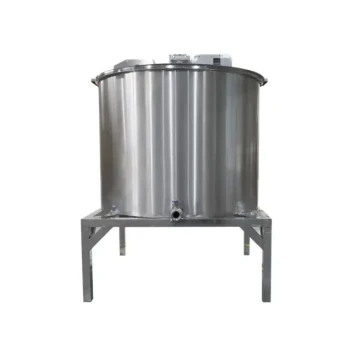
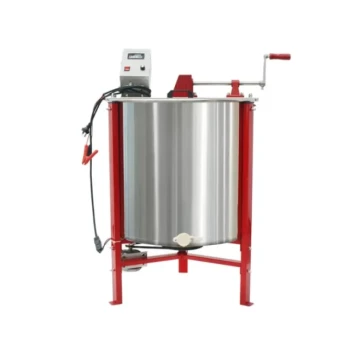
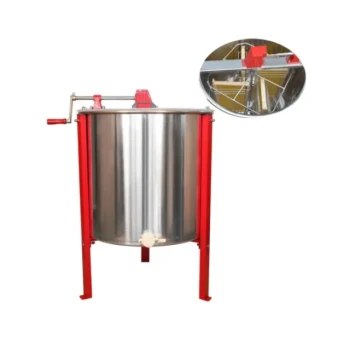
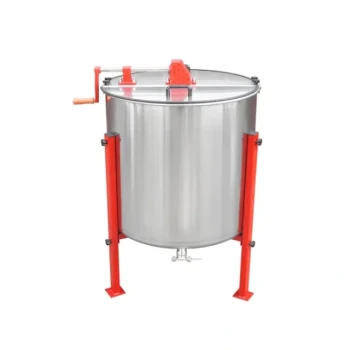
The primary driver of nectar purity is the reduction of human contact. Modern harvesting machinery automates the extraction process, drastically lowering the risk of introducing foreign contaminants or pathogens associated with manual handling.
This "hands-off" approach maintains high sanitary standards. It ensures the honey remains a direct reflection of the floral source, rather than a byproduct of the extraction environment.
Protecting Flavor Integrity
Manual extraction can be chaotic and invasive, potentially degrading the honey's quality. Professional harvesting equipment is designed to operate with precision, maintaining the original quality and unique flavor profile of the honey.
By preserving these natural characteristics, producers establish the physical foundation of their product's competitiveness. The resulting honey captures the distinct "terroir" of the region, which is essential for high-value markets.
The Role of Hive Architecture and Standardization
Scientifically Designed Separation
Standardized modern beehives utilize a specific spatial structure that influences bee behavior. These designs encourage colonies to store honey and breed offspring in separate, predetermined areas.
This separation is critical for purity. It ensures that when frames are removed for extraction, they contain pure honey rather than a mix of nectar, pollen, and brood (larvae), which would compromise the final product.
Compatibility with Advanced Processing
Uniform frame specifications allow for seamless integration with mechanical extractors. This standardization eliminates the need for ad-hoc adjustments or forceful manipulation during harvest.
Because the frames fit perfectly into extraction machinery, the process is smoother and faster. This reduces physical damage to the comb and the bee population, allowing for a cleaner cycle of production.
Enhancing Management and Source Selection
Accessing Premium Floral Cycles
Purity is also defined by the floral source itself. Specialized mobile equipment and transport machinery enable migratory beekeeping, allowing apiarists to relocate colonies based on seasonal blooming periods.
This mobility maximizes the collection capacity per hive. It allows producers to chase specific, high-quality floral sources across different regions, ensuring the nectar collected is abundant and distinct.
Precision Timing via Protective Gear
Specialized protective consumables, such as advanced suits and veils, do more than prevent stings. They create a safety barrier that emboldens management personnel to perform deep, regular inspections.
This proactive monitoring is vital for quality control. It allows beekeepers to accurately judge the maturity of the nectar and harvest at the precise moment of peak quality, rather than guessing based on external activity.
Understanding the Trade-offs
Initial Investment vs. Long-term Gain
While modern tools can increase yield and income by approximately 27%, they require significant upfront capital. Transitioning from manual tools to mechanized systems is a financial hurdle that smaller operations must carefully calculate.
Operational Complexity
Advanced machinery requires a shift in skill set. Beekeepers must transition from purely biological management to maintaining complex mechanical systems, which introduces new points of failure if equipment is not properly serviced.
Making the Right Choice for Your Goal
To select the right equipment, you must define your production priorities.
- If your primary focus is Flavor Purity: Prioritize standardized hive bodies that strictly separate brood chambers from honey supers to prevent cross-contamination.
- If your primary focus is Volume and Scale: Invest in mechanized extraction lines and standardized frames to maximize throughput and minimize labor intensity.
- If your primary focus is Varietal Distinction: Focus on mobile beekeeping units that allow you to rapidly transport colonies to specific, high-value floral sources.
Modern tools ultimately transform beekeeping from a survival-based activity into a precision operation, where technology serves to protect the natural integrity of the harvest.
Summary Table:
| Feature | Support Mechanism for Purity | Key Benefit |
|---|---|---|
| Standardized Hives | Scientific spatial separation of brood and honey | Prevents contamination from larvae/pollen |
| Automated Extractors | Hands-off, closed-environment processing | Minimizes human contact and foreign pathogens |
| Mobile Units | Enables migratory beekeeping to specific blooms | Ensures mono-floral source and flavor integrity |
| Precision Gear | Allows for deep, frequent hive inspections | Enables harvesting at peak nectar maturity |
Maximize Your Honey Purity with HONESTBEE
At HONESTBEE, we empower commercial apiaries and global distributors with the precision tools needed to produce world-class honey. From advanced hive-making and honey-filling machines to specialized wholesale beekeeping hardware and consumables, our comprehensive portfolio is designed to reduce labor while protecting the natural terroir of your harvest.
Ready to scale your production and enhance your product's market value? Contact us today to discover how our professional-grade machinery and industry expertise can streamline your operations and secure your competitive edge.
References
- Nanang Febrianto, Budi Hartono. Factors affecting consumers’ loyalty and purchase decisions on honey products: An emerging market perspective. DOI: 10.1515/opag-2022-0235
This article is also based on technical information from HonestBee Knowledge Base .
Related Products
- 32 Frame Commercial Electric Honey Extractor for Beekeeping and Honey Production
- HONESTBEE 72 Frame Industrial Electric Honey Extractor for Beekeeping
- Manual Hand Crank 4 Frame Honey Extractor Centrifuge for Beekeeping
- Stainless Steel Manual 8 Frame Radial Honey Extractor Machine for Beehives
- Stainless Steel 3 Frame Manual Honey Extractor Spinner for Bee Honey Extraction
People Also Ask
- What are commercial honey extractors used for? Boost Your Apiary's Efficiency & Profitability
- What is a commercial honey extractor? The Essential High-Volume Solution for Large Apiaries
- Who are commercial honey extractors designed for? Scaling Your Industrial Beekeeping Success
- How is honey extracted commercially? Maximize Your Apiary's Efficiency and Honey Yield
- What are commercial honey extractors and for what scale of beekeeping are they intended? Scale Your 200+ Colony Apiary