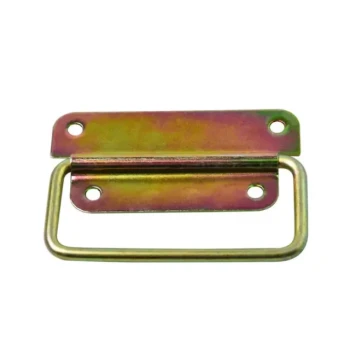
The integration of industrial hinges into intermediate hive designs fundamentally shifts beekeeping from a passive to an active management style. Unlike traditional sealed log hives, which often require destructive methods to open, hinged designs provide repeatable, non-intrusive access. This hardware upgrade directly improves hygiene, allows for routine monitoring, and simplifies complex technical processes like colony division.
Core Takeaway While traditional log hives act as sealed vessels that limit interaction, intermediate technology hives utilize hinges to transform the hive into an accessible management tool. This simple mechanical addition allows for frequent inspections and cleaner extraction, significantly outperforming the "set and forget" nature of traditional methods.
Enhancing Access and Hygiene
The Limitations of Sealed Logs
Traditional log hives are typically sealed structures. Accessing the interior often involves breaking mud seals or damaging the structural integrity of the hive.
This limitation forces beekeepers to operate blindly, often preventing them from identifying issues until harvest time.
The Advantage of Hinged Access
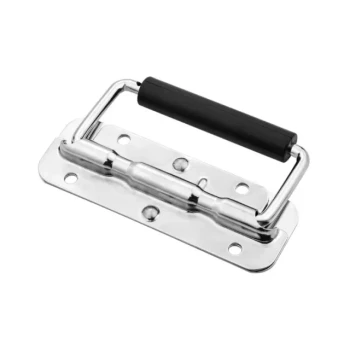
Intermediate technology hives incorporate industrial hinges to create designated access points. This allows the beekeeper to open the hive for inspection in seconds.
By removing the physical barrier to entry, beekeepers can monitor colony health, check for pests, and assess honey stores without disturbing the bees significantly.
Reducing Contamination Risks
The extraction process in traditional hives is often chaotic and can introduce debris.
Hinged access allows for a more controlled environment. Beekeepers can extract specific honeycombs cleanly, significantly reducing the risk of contaminating the honey with brood (larvae), ash, or hive debris.
Improving Colony Management and Yield
Simplifying Technical Processes
The primary benefit of improved access is the ability to manipulate the colony. The primary reference highlights that hinged designs simplify colony division and multiplication.
This means a beekeeper can actively split strong colonies to increase their stock, a process that is technically difficult and risky in a fixed-comb log hive.
Maximizing Production Potential
While traditional hives rely on natural, unmanaged growth, modern and intermediate designs facilitate active husbandry.
Research suggests that the production performance of a single modern-style hive can be equivalent to two traditional hives. By managing space and health actively, annual yields can rise from an average of ~5.6 kg in traditional hives to over 24 kg in optimized systems.
Separating Brood from Honey
Advanced intermediate designs often allow for the separation of the brood (breeding) area from the honey storage area.
This physical separation ensures that capped honey can be harvested without interfering with larval development. This not only improves the clarity and quality of the honey but also protects the future workforce of the hive.
Addressing Accessibility and Safety
Eliminating the Need to Climb
Traditional log hives are frequently placed high in trees for protection, requiring dangerous climbing for every inspection.
Modern intermediate hives are designed for low-level stands or ground placement. This eliminates the risk of falling and makes the physical labor of beekeeping significantly less demanding.
expanding Workforce Participation
By removing the heavy physical requirement of tree climbing, these hives lower cultural and physical barriers to entry.
This accessibility allows a more diverse demographic, including women and youth, to participate safely in honey production, transforming beekeeping from a specialized, high-risk activity into a manageable agricultural practice.
Understanding the Trade-offs
Initial Complexity vs. Simplicity
Traditional log hives are mechanically simple and often free to construct using local materials.
Intermediate hives require industrial hardware (hinges) and precise construction. This increases the upfront cost and requires a higher level of technical knowledge to build and maintain compared to a hollowed log.
Management Responsibility
The efficiency of a hinged hive depends entirely on the beekeeper using it.
A log hive is designed for passivity; an intermediate hive is designed for activity. If the beekeeper does not utilize the hinges for regular inspections and management, the efficiency gains are lost, yet the higher cost remains.
Making the Right Choice for Your Goal
Whether you choose a hinged intermediate hive or a traditional log depends on your resources and your objectives for the apiary.
- If your primary focus is Maximum Yield: Choose the intermediate hinged hive, as it enables active management techniques that can quadruple honey production per colony.
- If your primary focus is Hygiene and Quality: Choose the intermediate hinged hive, as the accessible design prevents contamination during harvest and separates brood from honey.
- If your primary focus is Zero-Cost Input: Traditional log hives remain the better option, as they require no industrial hardware or capital investment, provided you accept lower yields.
The hinge is not just a piece of hardware; it is the gateway to professionalizing beekeeping by turning a container into a controllable system.
Summary Table:
| Feature | Traditional Log Hives | Intermediate Hinged Hives |
|---|---|---|
| Access Style | Passive (Sealed/Destructive) | Active (Repeatable/Hinged) |
| Annual Honey Yield | ~5.6 kg per hive | Up to 24+ kg per hive |
| Hygiene & Purity | High contamination risk | High (Brood/Honey separation) |
| Management Effort | Low (Set and forget) | High (Regular monitoring) |
| Safety | High risk (Tree climbing) | Safe (Ground/Stand placement) |
| Initial Cost | Near zero | Investment in hardware/machinery |
Professionalize Your Apiary with HONESTBEE
Transitioning from traditional methods to intermediate or modern systems requires the right tools and precision engineering. At HONESTBEE, we specialize in supporting commercial apiaries and distributors with a comprehensive range of high-quality beekeeping infrastructure.
Our Value to You:
- Advanced Machinery: From hive-making equipment to automated honey-filling machines.
- Full-Spectrum Supplies: A complete inventory of beekeeping tools, hardware, and essential consumables.
- Growth Focused: We help you scale production from subsistence levels to high-yield commercial operations.
Ready to upgrade your efficiency and honey quality? Contact HONESTBEE today to explore our wholesale solutions and expert equipment.
References
- Eduardo Negrín Muñoz, Laura Elena Sotelo Santos. Abejas nativas, señoras de la miel. Patrimonio cultural en el estado de Campeche / Native bees, honey ladies. Cultural heritage in the State of Campeche. DOI: 10.23913/ricsh.v5i9.69
This article is also based on technical information from HonestBee Knowledge Base .
Related Products
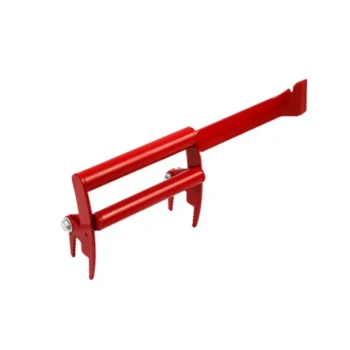
- Heavy-Duty Lever-Action Frame Grip with Hive Tool
- HONESTBEE Premium Italian Style Hive Tool with Hardwood Handle
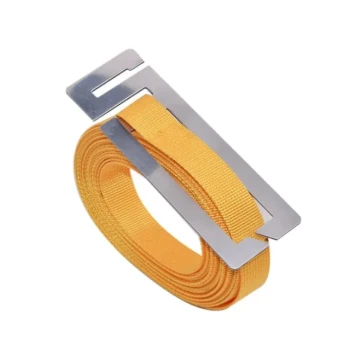
- Heavy-Duty Nylon Beehive Hive Strap with Stainless Steel Cinch Buckle
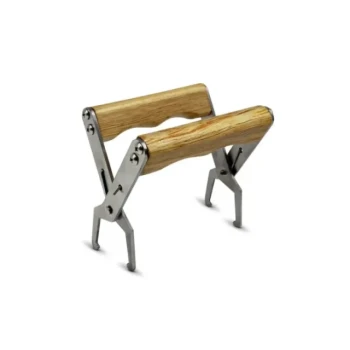
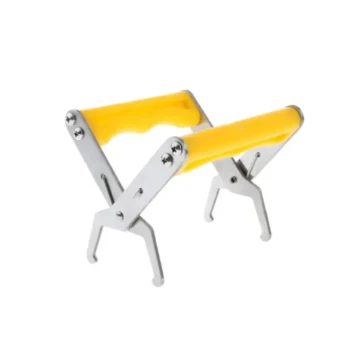
- Multi-Function Plier-Style Frame Grip Hive Tool
- Durable Plastic Interlocking Hive Connector for Beekeeping
People Also Ask
- What is the purpose of using frame grips in beekeeping operations? Elevate Your Apiary Precision & Hive Safety
- What is a frame grip and how is it used? Secure Your Hive Inspections with Ease
- How does the frame lifter hive tool function? Master Safe and Gentle Frame Removal
- What is the specific design and purpose of a frame lifter hive tool? Master Gentle Hive Inspections
- How should Frame Grips be maintained after use? A Guide to Biosecurity and Tool Longevity