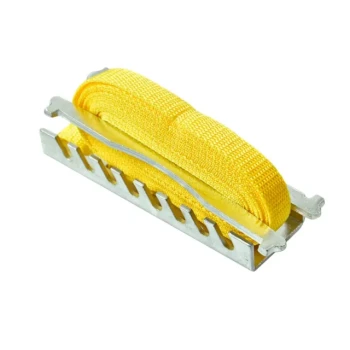
Multiblock Hives function as a standardized, modular tool for controlling the internal volume of a honeybee colony during experiments. By utilizing adjustable partitioning systems, these hives allow researchers to tailor the available physical space—specifically defining "bee paths" of varying sizes, such as 4-5 frames or 7-8 frames—to match the specific population strength of the colony. This capability transforms the hive from a passive container into a calibrated instrument for behavioral observation.
By decoupling colony size from hive volume, Multiblock Hives create a variable-free environment. This standardization is critical for isolating specific biological responses, ensuring that observed changes in behavior are due to experimental stimuli rather than environmental inconsistencies.
The Mechanics of Spatial Standardization
Partitioning for Colony Strength
The primary mechanism of the Multiblock Hive is its ability to partition space. Standard hives often provide too much volume for smaller experimental colonies, leading to thermal stress or resource inefficiency.
Defining Bee Paths
Multiblock Hives solve this by establishing specific "bee paths." Researchers can configure the hive to support smaller populations (4-5 frames) or larger groups (7-8 frames) within the same standardized footprint. This ensures the physical environment scales proportionally with the biological mass of the colony.
Optimizing Experimental Conditions
Controlled Environment for Observation
In behavioral experiments, external variables must be minimized. Multiblock Hives provide a highly consistent setting, ensuring that every colony in a study interacts with its physical space in an identical manner.
Nutritional Stimulation Assessment
When measuring how bees respond to nutritional inputs, space management is vital. By controlling the frame count and density, researchers can more accurately attribute changes in brood rearing or food storage to the nutritional stimulation rather than the availability of excess space.
Isolating Hygienic Behaviors
Hygienic behavior—the ability of bees to detect and remove diseased brood—is sensitive to colony strength and density. The Multiblock Hive allows for the observation of these traits in a controlled density, ensuring that data regarding colony health is comparable across different test subjects.
Understanding the Trade-offs
Management Intensity
While Multiblock Hives offer superior control, they require active management. Because the space is partitioned to match specific colony strengths, researchers must diligently monitor the bees to ensure the colony does not outgrow its assigned bee path, which could trigger swarming impulses.
Complexity of Setup
Implementing a partitioned system is inherently more complex than using standard open boxes. It requires precise configuration of frames and dividers to ensure the "standardized environment" remains consistent across all test groups.
Making the Right Choice for Your Goal
To maximize the utility of Multiblock Hives in your research, consider the following applications:
- If your primary focus is nutritional analysis: Use the partitioning feature to maintain high bee density, ensuring that uptake of supplements is not diluted by excess foraging or thermal regulation duties.
- If your primary focus is behavioral genetics (hygiene): Standardize all test colonies to the same frame count (e.g., exactly 5 frames) to ensure that any variation in hygienic performance is genetic, not environmental.
By precisely matching physical space to biological necessity, Multiblock Hives provide the rigorous baseline required for high-quality data collection.
Summary Table:
| Feature | Function in Experiments | Research Benefit |
|---|---|---|
| Adjustable Partitioning | Controls internal volume to match population | Reduces thermal stress and resource inefficiency |
| Defined Bee Paths | Configures space for specific frame counts (4-8) | Scales physical environment to biological mass |
| Spatial Standardization | Decouples colony size from hive volume | Eliminates environmental variables across test groups |
| Density Management | Maintains high bee-to-frame ratios | Improves accuracy of nutritional & hygienic assessments |
Elevate Your Research and Operations with HONESTBEE
Precision is the backbone of successful beekeeping, whether in a research lab or a commercial apiary. HONESTBEE specializes in supporting commercial apiaries and global distributors with a comprehensive wholesale portfolio of professional beekeeping tools.
From multiblock hive components and specialized hive-making machinery to industrial honey-filling systems and honey-themed cultural merchandise, we provide the hardware you need to scale your business. Our equipment ensures your colonies are managed with the exact standards required for high-yield honey production and rigorous biological observation.
Ready to upgrade your infrastructure? Contact HONESTBEE today to discuss our wholesale offerings and discover how our advanced machinery and consumables can optimize your apiary’s efficiency.
References
- Olesia Kysterna, Оlga Ignatieva. THE MODIFICATION METHOD OF CORRECTION OF HYGIENIC BEHAVIOR OF HONEYBEES. DOI: 10.30525/978-9934-571-89-3_98
This article is also based on technical information from HonestBee Knowledge Base .
Related Products
- Long Langstroth Style Horizontal Top Bar Hive for Wholesale
- Professional Insulated Plastic Bee Hives
- Professional Large-Format Hive Number Set for Beekeeping
- Styrofoam Mini Mating Nuc Box with Frames Feeder Styrofoam Bee Hives 3 Frame Nuc Box
- Langstroth Honey Bee Box Hive Boxes for Different Depths
People Also Ask
- What are the potential applications of top bar hives in resource-limited settings? Empower Communities with Sustainable Beekeeping
- What are the benefits of extra wax production in top bar hives? A Natural Byproduct for Craft & Efficiency
- How does the top bar hive help control varroa mites? A Natural Approach to Mite Management
- What does the general management of a top bar hive entail? Master Horizontal Beekeeping with Ease
- How is a top bar hive used to start a new colony? Master Incremental Expansion for a Thriving Hive