Parasitic mites can turn a productive commercial apiary into a major financial liability. Varroa, Tropilaelaps, and tracheal mites weaken adult bees and developing brood, shorten bee lifespans, spread or amplify viral infections, and reduce the colony’s ability to forage and pollinate. The result is lower honey production, weakened overwintering colonies, treatment costs, and—in severe cases—complete colony loss.
The essential strategy is integrated pest management (IPM): monitor mite levels consistently, intervene before colonies decline, apply approved treatments correctly, and maintain clean, serviceable hive equipment. For commercial operators and their suppliers, this requires reliable access to diagnostic tools, mite-control consumables, application equipment, protective gear, and replacement hive hardware.
How Mites Reduce Commercial Honey Production
They weaken the bees responsible for foraging
Varroa and related mites feed on developing brood and adult bees, reducing bee vigor and shortening worker lifespans. A colony with fewer healthy foragers collects less nectar and converts fewer field resources into marketable honey.
Mite-weakened colonies may also become inefficient pollination units, reducing their commercial value beyond the honey harvest.
They damage developing brood
Infested pupae may emerge smaller, weaker, or physically deformed. Tropilaelaps is particularly damaging to brood development and can produce exposed or abnormal brood patterns.
Poor brood quality reduces the replacement rate of adult workers and makes it harder for colonies to maintain strong populations during nectar flows.
They increase disease pressure
Mites can transmit or amplify destructive viral pathogens, including viruses associated with wing deformities and colony decline. Feeding wounds also compromise bee health and increase vulnerability to secondary infections.
The practical effect is often broader than the visible mite count: a colony can continue declining even after symptoms first appear to be limited to individual bees.
They contribute to colony collapse
As worker populations fall, colonies lose the labor needed for brood care, temperature regulation, defense, and foraging. Severe infestations can therefore result in colony dwindling, failed overwintering, and total hive loss.
For commercial apiaries, this creates a compounding cost: lost honey, reduced pollination capacity, replacement colonies, labor, treatments, and damaged or idle hive equipment.
The Essential Apiary Supplies for Mite Management
Effective pest management depends on a complete supply system rather than a single miticide or inspection tool.
Mite monitoring and diagnostic tools
Commercial apiaries need equipment that shows whether mite populations are increasing and whether treatments are working. Common monitoring supplies include:
- Sticky boards or bottom-board inserts for collecting and counting fallen mites.
- Alcohol-wash equipment for estimating mites on adult bees.
- Sugar-roll testing supplies where that monitoring method is appropriate.
- Sample containers, strainers, trays, and counting surfaces for organized field testing.
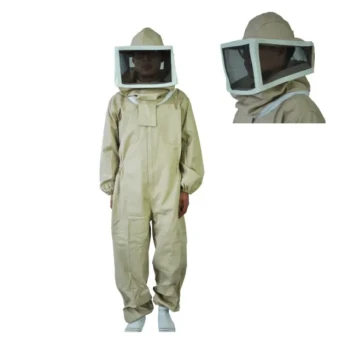
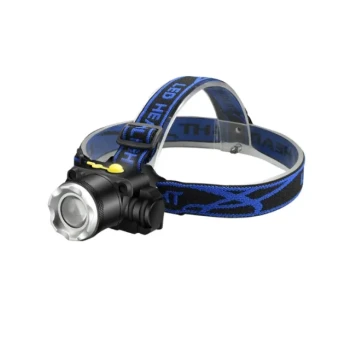
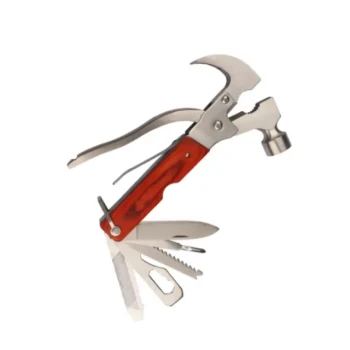
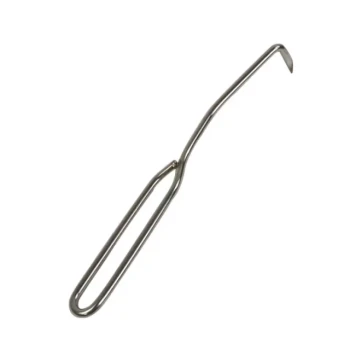
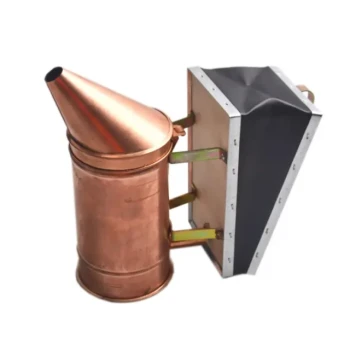
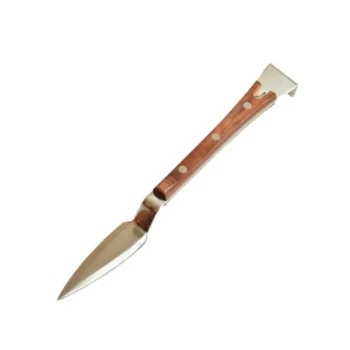
- Hive inspection tools, including smokers, hive tools, protective clothing, and lighting.
Monitoring supplies should support consistent sampling across colonies, yards, and production cycles. A single visual inspection is not a substitute for a repeatable measurement process.
Approved mite-control consumables
Treatment options may include chemical acaricides, organic-acid products, thymol-based products, sulfur, or other approved materials, depending on local regulations, label instructions, mite species, temperature, honey-flow conditions, and the presence of supers.
Products such as formic acid or thymol can be useful in appropriate programs, but they are not universally suitable under every condition. Treatment selection and application must follow the product label and applicable veterinary or agricultural guidance.
Treatment application equipment
Correct dosing and placement are as important as the treatment itself. Essential application supplies may include:
- Treatment trays, holders, strips, or dispensers designed for the selected product.
- Accurate measuring and dosing tools where the label requires them.
- Protective gloves, eye protection, respirators, or other PPE specified by the product.
- Ventilation and hive-access equipment needed for safe application.
- Record-keeping materials or digital inspection systems for documenting treatments and results.
Suppliers should provide compatible application hardware rather than treating consumables and dosing equipment as interchangeable.
Sanitary hive maintenance equipment
Mite control is more effective when colonies are housed in clean, functional equipment. Commercial apiaries require durable:
- Bottom boards and screened boards for inspection and ventilation.
- Hive bodies, supers, frames, and foundation for rapid replacement of damaged or contaminated components.
- Hive tools, scrapers, brushes, and cleaning equipment for routine maintenance.
- Storage and transport containers that protect equipment between apiary visits.
- Replacement hardware and fasteners for keeping boxes and frames serviceable.
Sanitation does not replace mite treatment, but neglected equipment can slow inspections, create operational delays, and make it harder to maintain consistent hive conditions.
Supplies for mechanical or lower-residue approaches
Some IPM programs use methods such as food-grade powdered sugar dusting to encourage grooming and dislodge mites. This can be part of a broader management program, but it should not be treated as a universal replacement for validated monitoring and approved treatments.
The appropriate approach depends on infestation pressure, colony condition, local requirements, and the operator’s production objectives.
Building a Commercial IPM Program
Monitor before deciding to treat
Treatment decisions should be based on measured infestation levels, colony condition, seasonal timing, and the risk of mite population growth. Routine sampling helps identify colonies that need attention before visible collapse occurs.
For distributors and wholesalers, this means stocking diagnostic supplies alongside treatments so customers can measure the problem rather than rely on guesswork.
Treat at the correct operational moment
Mite populations can increase rapidly during periods of brood production and may undermine colonies before symptoms become obvious. Commercial operators should plan monitoring and treatment windows around brood cycles, honey flows, movement schedules, and overwintering preparation.
Treatments must also be selected and timed to protect honey quality and comply with label restrictions concerning supers and harvest periods.
Verify treatment performance
A treatment program is incomplete without post-treatment monitoring. Rechecking mite levels indicates whether the intervention worked and whether further action or a different approved control method is required.
Records should link each colony or apiary location to inspection findings, treatment dates, products used, and follow-up results.
Standardize field operations
Large apiaries benefit from standardized inspection kits and repeatable procedures. Consistent equipment reduces missed inspections, improves data quality, and helps crews respond quickly when mite levels rise.
A one-stop supplier can add value by providing coordinated kits, compatible consumables, replacement hardware, and rapid fulfillment for multiple apiary locations.
Understanding the Trade-offs
Chemical effectiveness versus application risk
Chemical miticides can provide effective control, but misuse, incorrect dosing, poor timing, or repeated reliance on the same active ingredient can reduce program reliability and create residue or bee-health concerns.
Every product must be used according to its approved label, including dose, exposure time, temperature limits, PPE, and honey-super restrictions.
Organic treatments are not automatically low risk
Formic acid, thymol, sulfur, and related products may fit certain IPM programs, but “organic” does not mean risk-free. Environmental conditions and application errors can injure bees, affect brood, or reduce queen performance.
Commercial users need accurate instructions, suitable application hardware, and product-specific safety procedures.
Monitoring equipment requires disciplined use
Sticky boards and wash-testing equipment are valuable only when sampling is performed consistently. Poor sample selection, inaccurate counting, or irregular inspection intervals can produce misleading conclusions.
Training and recordkeeping are therefore as important as the equipment itself.
Replacement equipment adds cost but protects continuity
Hive bodies, frames, bottom boards, and other hardware represent a significant operating expense. However, delayed replacement can interrupt inspections, reduce sanitation standards, and leave colonies in unsuitable equipment.
Reliable access to replacement parts helps commercial apiaries avoid extended downtime during peak production periods.
Regional rules and mite species matter
Varroa, Tropilaelaps, and tracheal mites do not present identical management conditions. Product availability, legal controls, treatment approvals, and reporting obligations may also vary by jurisdiction.
Distributors should verify regulatory status and provide region-appropriate product information rather than offering a uniform treatment package for every market.
How to Apply This to Your Apiary Supply Strategy
The strongest commercial supply program combines pest-control products with the tools needed to diagnose, apply, document, and maintain the entire operation.
- If your primary focus is maximizing honey yield: Prioritize routine mite-monitoring kits, timely approved treatments, and post-treatment verification to preserve strong foraging populations.
- If your primary focus is reducing colony losses: Build a seasonal IPM program around diagnostic equipment, treatment application tools, protective gear, and reliable follow-up records.
- If your primary focus is efficient procurement: Source monitoring consumables, miticides, PPE, hive-maintenance tools, and replacement hardware through a supplier able to consolidate orders and fulfill them quickly.
- If your primary focus is serving commercial beekeeping customers: Offer a full-spectrum portfolio supported by technical guidance, rapid response, compatible products, and dependable delivery across apiary locations.
With disciplined monitoring and dependable access to the right supplies, commercial apiaries can make mite management a controlled operating process rather than a crisis response.
Summary Table:
| Aspect | Impact on Production | Essential Supplies |
|---|---|---|
| Mite Damage | Weakened foragers, reduced brood, disease spread, colony collapse | Monitoring tools (sticky boards, alcohol wash) |
| Treatment | Effective control requires correct timing and application | Miticides, organic acids, application equipment |
| Sanitation | Clean equipment supports healthy colonies | Bottom boards, hive tools, replacement hardware |
| IPM Program | Consistent monitoring and verification prevent losses | Sampling kits, record-keeping systems |
Protect Your Apiary with HONESTBEE
For commercial apiaries and distributors, HONESTBEE offers a one-stop sourcing solution for all your mite management needs. From high-precision monitoring tools and approved treatments to durable hive hardware and protective gear, our comprehensive portfolio ensures you have the right supplies at the right time. Benefit from rapid response, dedicated support, and ultra-fast delivery to keep your colonies thriving.
Contact us today to discuss your bulk requirements and discover how our OEM/ODM capabilities and certifications can support your business growth. Get in touch with our experts now.
Related Products
- Professional 600D Oxford Cloth Beekeeping Tool Bag with 8 Pockets and Elastic Loops
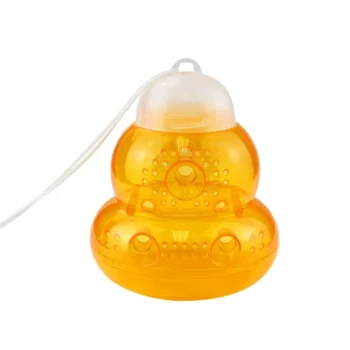
- Gourd Shaped Hanging Wasp Trap Professional Wasp Catcher
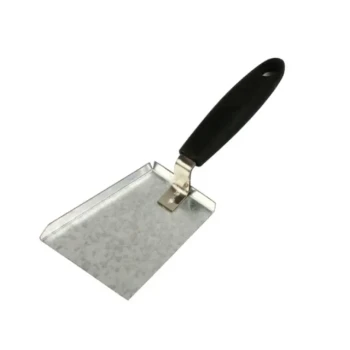
- Heavy-Duty Ergonomic Grip Galvanized Pollen Shovel
- Yellow Plastic Bucket Pail Perch for Beekeeping
- Professional Grade Foldable Beehive Handles
People Also Ask
- What is the recommended method for storing beekeeping tools? Expert Vertical Storage Solutions for Your Apiary
- Why is the treatment of beekeeping tools with high-concentration chemical disinfectants necessary for preventing AFB?
- How does a favorable microclimate interact with beekeeping tools? Boost Overwintering Success and Equipment Longevity
- What are the approximate costs of basic beekeeping tools? Start Your Apiary for Under $85
- What essential beekeeping tools are needed besides the hive? Must-Have Gear for Every Apiary