Commercial honey hives face two distinct pest threats: predatory wasps and hornets attack adult bees and raid honey and brood, while wax moth larvae tunnel through comb, weaken frames, and destroy stored hive products. Protection requires both physical hive hardware to control access and secure storage equipment to protect supers and frames when they are not occupied by strong colonies.
The central defense is layered protection: restrict pest access at the hive entrance, maintain tight-fitting and clean equipment, and store unused comb in sealed, ventilated, cold, or properly treated systems.
How These Pests Damage Commercial Hives
Predatory Wasps Attack Colony Strength
Predatory wasps such as Vespa orientalis and Vespula germanica capture adult worker bees near hive entrances and along flight paths. Larger hornet species can also gather at entrances, overwhelm guard bees, and enter the hive to rob nectar, honey, and brood.
Repeated attacks reduce the workforce available for foraging, brood care, temperature control, and defense. A weakened colony is then more vulnerable to additional wasp pressure and wax moth infestation.
Wax Moths Destroy Comb Architecture
Greater and lesser wax moths, including Galleria mellonella and Achroia grisella, are especially dangerous to weak colonies and stored supers. Their larvae burrow through wax comb while feeding on wax, pollen, honey, and hive debris.
The resulting tunnels damage comb cells and wooden frames. Larval silk can also interfere with emerging bees, while severe infestations may cause colonies to abscond and leave valuable equipment unusable.
Stored Frames Create a Separate Risk
Unused frames and supers lack the protective presence of a strong bee colony. If they are stored in dark, warm, or poorly sealed conditions, adult moths can lay eggs directly on the comb.
This makes off-season equipment management as important as in-hive pest control. Commercial apiaries need dedicated storage systems that protect inventory between production cycles.
Protective Hardware for Active Hives
Entrance Reducers Limit Pest Access
Entrance reducers narrow the opening that bees must defend. They are particularly useful for weak, newly established, split, or temporarily stressed colonies that cannot guard a large entrance effectively.
A reducer also helps concentrate defensive activity at fewer access points. Distributors should offer multiple sizes and durable materials suited to standardized hive configurations.
Robbing Screens Protect Against Invasion
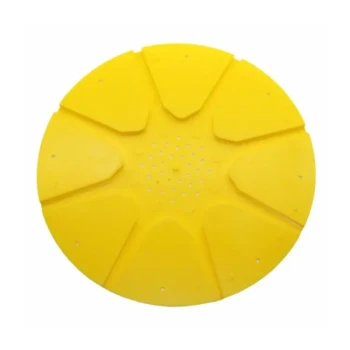
Robbing screens alter the apparent location of the hive entrance. Bees can navigate through the screen, while wasps and robbing insects are more likely to concentrate at the original opening and fail to gain direct access.
These screens are valuable where wasp pressure or inter-colony robbing is persistent. They should be supplied as part of a broader entrance-defense range rather than treated as a substitute for colony-strength management.
Wire Screens, Guard Boards, and Queen Gates Add Barriers
Wire entrance screens or cages can prevent larger hornets from entering the hive. Guard boards and related entrance barriers create an additional physical obstacle while preserving controlled bee movement.
Queen gates can also regulate access in certain hive configurations. Hardware must be dimensionally compatible with the hive body and should not restrict normal worker traffic or ventilation.
Wasp Traps Reduce Predator Pressure
Specialized wasp traps and lure or bait systems reduce the number of predators operating around the apiary. Fermented honey-water mixtures and other attractants may be used where permitted and appropriate.
Traps should be positioned to draw wasps away from hive entrances. They are population-reduction tools, not a replacement for entrance screens, reducers, or regular colony inspections.
Tight-Fitting Hive Components Block Pest Entry
Precision-machined hive bodies, properly aligned covers, and tight-fitting joints reduce cracks where pests can enter and lay eggs. Pest-resistant hive stands and bottom-board traps can further limit access and help collect debris or insects.
Standardized components also make inspections, cleaning, frame rotation, and replacement more efficient across a commercial apiary. For resellers, compatibility and consistent dimensions are important as well as material quality.
Storage Equipment for Frames and Supers
Frame Racks Prevent Contact and Improve Inspection
Dedicated frame storage racks keep frames organized, separated, and accessible. They help prevent comb from being crushed or stacked in ways that create dark, poorly ventilated spaces favored by moths.
Rack systems also support faster inventory checks. Beekeepers can identify damaged or suspect frames before an infestation spreads through an entire stack.
Sealed Bags and Storage Boxes Protect Unused Comb
Airtight equipment bags and sealed storage containers restrict moth access to stored frames and supers. Storage systems should remain structurally secure while allowing appropriate ventilation or controlled atmosphere management where required.
Light-permeable storage boxes can also reduce the dark conditions associated with moth activity. Containers should be sized for the apiary’s standard supers and strong enough for repeated commercial handling.
Cold Storage Eliminates Moth Eggs and Larvae
Freezing comb and stored supers for 48 hours is identified in the references as a method for eliminating wax moth eggs and larvae. After treatment, the equipment should be transferred promptly into sealed storage so it is not reinfested.
Cold-storage equipment is most useful when it can accommodate the apiary’s frame volume and maintain stable temperatures. Capacity, loading efficiency, energy use, and delivery lead times matter when specifying systems for commercial operations.
Fumigation Equipment Requires Controlled Use
Fumigation systems and approved treatments can protect stacked supers during long-term storage. The references identify sulfur dioxide strips and acetic acid fumigation as methods used to treat stored equipment.
These treatments must follow the product label, local regulations, worker-safety requirements, and any honey or food-contact restrictions. Fumigation equipment should therefore be sourced and sold with clear handling procedures rather than as an unrestricted general-purpose solution.
Light and Ventilation Make Storage Less Favorable to Moths
Stored comb benefits from exposure to light and adequate airflow when the selected storage method allows it. Secure, well-ventilated storage hardware helps reduce the stagnant, concealed conditions in which pests can develop.
Ventilation must be balanced with exclusion. An open rack can improve airflow but may provide moth access unless the rack is protected by suitable screening or containment.
Maintenance Practices That Complete the Defense
Keep Colonies Strong
Strong colonies are better able to defend entrances and remove intruding pests. Regularly assessing queen health, brood pattern, food availability, and worker population helps identify colonies that need intervention.
Entrance barriers are most effective when matched to the colony’s defensive capacity. A reducer or screen should not be left in a configuration that creates congestion or ventilation problems.
Remove Debris and Damaged Frames
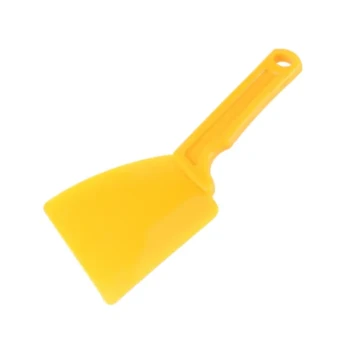
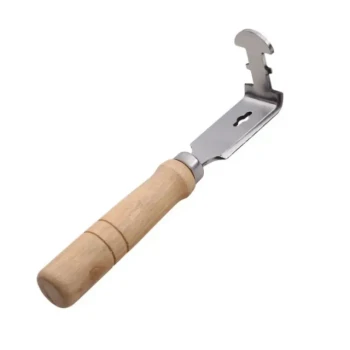
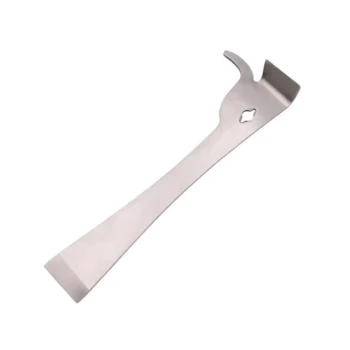
Wax scraps, dead brood, pollen residue, and bottom-board debris can provide breeding material for moths and other pests. Sanitation tools should be used to clear this material during routine inspections.
Infested frames should be removed, destroyed, frozen, or processed promptly according to the apiary’s operating procedures. Delaying removal allows larvae and eggs to spread into adjacent equipment.
Inspect Stored Inventory Before Reuse
Every stored frame and super should be inspected before returning to a colony. Look for webbing, silk-lined tunnels, damaged comb, larvae, frass, and unusual odors or contamination.
A clear quarantine and inspection area helps prevent affected equipment from entering clean storage or active hives. Standardized storage racks and labeled containers make this process easier to manage at scale.
Understanding the Trade-offs
Barriers Can Restrict Bee Movement
Entrance reducers, screens, and cages improve protection but may reduce traffic flow if incorrectly sized or installed. Excessive restriction can create congestion, interfere with ventilation, or make inspections more difficult.
Hardware should therefore be selected by hive model, colony strength, season, and local pest pressure.
Traps Require Ongoing Management
Wasp traps must be monitored, emptied, and replenished. Poor placement can attract predators close to hives, while unsuitable bait may reduce effectiveness.
Commercial buyers should evaluate trap capacity, replacement parts, lure availability, and ease of servicing before standardizing on a product line.
Storage Systems Need Capacity and Process Discipline
Cold storage and sealed containers protect valuable comb, but they require adequate capacity, loading procedures, and inventory control. A freezer that cannot handle peak frame volume will leave excess equipment exposed.
Fumigation adds another layer of operational complexity. It may be effective, but it requires trained personnel, compliant materials, controlled access, and proper aeration before equipment is reused.
Hardware Cannot Replace Colony Management
No screen, trap, rack, or storage bag can compensate for weak colonies, neglected sanitation, or prolonged exposure of unused comb. Protection works best as a system combining colony-strength management, inspection, physical barriers, and controlled storage.
Making the Right Choice for Your Goal
The most practical commercial product portfolio combines compatible hive hardware with storage, sanitation, and pest-control equipment.
- If your primary focus is protecting active colonies: Prioritize entrance reducers, robbing screens, wire entrance barriers, guard boards, tight-fitting hive components, pest-resistant stands, and wasp traps.
- If your primary focus is preserving stored frames and supers: Prioritize frame racks, sealed equipment bags, light-permeable storage boxes, cold-storage capacity, and compliant fumigation equipment.
- If your primary focus is supplying commercial apiaries: Offer a full-spectrum, hive-compatible range with reliable stock, rapid response, clear technical guidance, and efficient fulfillment across both hardware and storage categories.
- If your primary focus is reducing operational losses: Pair protective equipment with inspection tools, bottom-board cleaning tools, replacement frames, and systems for isolating or treating infested inventory.
With the right combination of entrance defense, colony maintenance, and controlled frame storage, commercial apiaries can protect both living colonies and the equipment assets that support future production.
Summary Table:
| Pest | Threat | Protective Hardware/Storage |
|---|---|---|
| Predatory Wasps | Attack adult bees, rob honey and brood | Entrance reducers, robbing screens, wire screens, guard boards, wasp traps |
| Wax Moths | Larvae tunnel through comb, weaken frames | Frame racks, sealed storage bags, cold storage, fumigation equipment |
| Stored Frames | Unprotected comb in dark/warm areas | Sealed bags, light-permeable boxes, ventilation, cold storage, fumigation |
Protect your apiary with HONESTBEE's comprehensive range of beekeeping equipment. From entrance reducers and robbing screens to frame racks and cold storage solutions, we supply everything you need to defend against pests and preserve your hive assets. As a trusted wholesale partner for commercial apiaries and distributors, we offer OEM/ODM support, certified quality, rapid delivery, and dedicated service. Contact us today to secure your hives and boost your operation's resilience!
Related Products
- Professional Honey Scraper for Efficient Apiary Maintenance
- Professional Multi-Component Bucket Wasp Trap
- Professional Bucket Style Wasp and Moth Pheromone Trap
- Stainless Steel Honey Bee Smoker Hive and Honeycomb Smoker for Beekeeping
- Metal Hive Feet Bee Hive Stand for Ant Protection
People Also Ask
- How does environmental temperature control influence the efficiency of honey scraping equipment? Optimize Your Flow
- How to uncap a bee frame? Choose the Right Tool for a Perfect Honey Harvest
- What is the primary purpose of using professional scrapers for red propolis sampling? Maximize Purity and B2B Value
- What is the role of a professional hive scraper in honey DNA metabarcoding? Ensure Precision in Genetic Analysis
- What is uncapping honey? Unlock the Key Step to Efficient Honey Harvesting