Plastic queen cell cups and traditional wax cups generally deliver virtually identical larval acceptance rates when properly introduced into a queenless rearing colony. The more important difference appears after harvest: plastic cups provide standardized dimensions, durability, and fast handling, while wax cups are simpler to melt down and remake. For commercial queen-rearing operations, the decision therefore depends less on acceptance alone and more on workflow scale, sanitation practices, reuse requirements, and maintenance capacity.
Core takeaway: Cup material is usually not the decisive factor in larval acceptance. Plastic cups offer greater consistency and physical stability, but wax cups have a simpler post-use cycle because they can be melted and remade rather than cleaned for repeated reuse.
How Larval Acceptance Compares
Acceptance Rates Are Usually Comparable
In a queenless rearing colony, plastic and wax queen cell cups can achieve virtually identical acceptance rates when grafting, cup preparation, colony strength, and handling are properly controlled.
This means that replacing wax cups with plastic cups does not inherently reduce the biological suitability of the rearing system.
Conditioning Can Affect Plastic Cup Acceptance
Fresh plastic cups may carry manufacturing residues or odors that worker bees do not immediately recognize as part of the nest environment. Allowing bees to clean the cups and apply a thin wax coating can help condition them before grafting.
This preparation step is particularly relevant when introducing new plastic cups into an established system. It helps reduce variability during the transition from wax to plastic equipment.
Wax Has a Natural Familiarity Advantage
Wax cups closely match the chemical composition and scent of natural comb. As a result, they may be accepted readily, especially when they are fresh, clean, and properly prepared.
However, this natural familiarity does not establish a consistent, universal acceptance advantage over plastic cups. Colony condition, larval quality, grafting technique, and cup preparation can have greater practical influence.
Standardization Supports Consistency
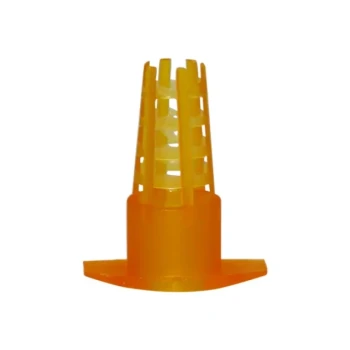
Plastic cups are manufactured to consistent dimensions, commonly around 8-9 mm in diameter. Uniform geometry helps standardize grafting, cell-bar assembly, and transfer procedures across large batches.
Their stable shape also protects the grafted larva from deformation or accidental damage during handling. This can improve process consistency even when the biological acceptance rate is similar to that of wax cups.
Why Post-Harvest Maintenance Matters
Plastic Cups Require a Reuse Workflow
Plastic queen cell cups are durable and designed for repeated use, but they must be cleaned and disinfected thoroughly between batches. This can require labor, inspection, drying, and organized storage.
High-quality plastic cups are suitable for repeated cleaning and sanitation, but their durability does not eliminate maintenance. The operational benefit depends on whether the apiary has an efficient process for returning used cups to service.
Wax Cups Have a Simpler End-of-Cycle Process
Traditional wax cups can be removed from the equipment, melted down, and remade. This avoids the detailed cleaning and disinfection workflow required for reusable plastic components.
The trade-off is that wax cups are more fragile and less dimensionally consistent. They may deform during transfer, transport, installation, or harvesting, particularly when handling conditions are unfavorable.
Harvesting Procedures Differ
Plastic cells can generally be separated from queen-rearing bars with a gentle twisting motion, provided the working temperature and equipment are suitable. Their structural strength reduces the risk of deformation during transfer into mating nucleus hives.
Wax cells require more careful detachment. A slightly dulled knife can be used to cut through the wax between cells and slide beneath the cell before removal.
Regardless of material, handlers should hold queen cells by the base and reject undersized cells or cells with darkened tips. Careful handling remains essential to queen quality after acceptance has already occurred.
Operational Benefits for Commercial Production
Plastic Supports Batch Uniformity
For distributors, wholesalers, and commercial apiaries, standardized plastic cups simplify product selection and equipment compatibility. Consistent dimensions make it easier to assemble repeatable cell bars and manage larger grafting batches.
This uniformity also supports faster order fulfillment and simpler inventory planning when multiple customers use compatible queen-rearing systems.
Durability Reduces Handling Damage
Plastic cups resist deformation during grafting, transport, installation, and harvesting. This is valuable when queen cells move between production locations, mating nucleus hives, or distribution points.
Wax cups can perform effectively, but they demand more careful temperature and handling control because their shape changes more easily.
Reuse Can Improve Resource Efficiency
A reusable plastic cup system can reduce the need to remake cups for every production cycle. The benefit is strongest when cleaning, disinfection, inspection, and storage are already integrated into the apiary workflow.
For smaller operations, the labor required to maintain reusable cups may offset some of that advantage.
Understanding the Trade-offs
Plastic Is Not Automatically More Efficient
Plastic cups are often described as easier to clean and reuse, but thorough post-harvest maintenance can still be labor-intensive. A system that lacks adequate cleaning capacity may experience delays, inconsistent sanitation, or premature replacement.
The relevant comparison is not simply reusable versus disposable. It is the total labor and handling cost per production cycle.
Wax Is Not Automatically More Fragile in Practice
Wax cups are structurally less durable, but they can be a practical choice when the apiary already has the skills and materials to produce or remake them efficiently. Their simple melt-and-remake process can be advantageous for flexible, lower-volume production.
Their limitations become more significant when the operation needs standardized dimensions, long-distance transport, or rapid assembly of large batches.
Acceptance Claims Need Context
Some operations report slightly lower initial acceptance with new plastic cups, while others achieve equal or higher acceptance under changing seasonal conditions. These differences can reflect cup conditioning, colony genetics, temperature, grafting technique, and preparation quality rather than the material alone.
The most defensible expectation is that properly prepared plastic and wax cups can produce comparable acceptance rates.
Maintenance Should Include Sanitation Controls
Reusable plastic cups should be cleaned and disinfected according to the apiary's hygiene protocol before being returned to service. Residual royal jelly, wax, propolis, or industrial contaminants can undermine the consistency that plastic equipment is intended to provide.
Wax cups avoid this cleaning cycle, but remaking them introduces its own requirements for material quality, shape control, and production time.
Making the Right Choice for Your Goal
Cup selection should match the production model, labor resources, and customer requirements of the operation.
- If your primary focus is larval acceptance: Choose either material based on preparation quality, colony management, and grafting technique, because properly prepared plastic and wax cups generally achieve comparable results.
- If your primary focus is large-scale standardization: Choose plastic cups for uniform dimensions, compatible cell-bar mounting, and more consistent handling across batches.
- If your primary focus is fast transfer and transport: Choose plastic cups for greater structural stability and reduced deformation during harvesting, shipment, and installation.
- If your primary focus is simple post-harvest processing: Choose wax cups when melting down and remaking equipment is more practical than maintaining a cleaning and disinfection workflow.
- If your primary focus is repeat-use efficiency: Choose plastic cups when the operation can support reliable cleaning, conditioning, inspection, and storage between production cycles.
The best cup material is the one that preserves acceptance quality while fitting the apiary's complete maintenance and fulfillment workflow.
Summary Table:
| Feature | Plastic Queen Cell Cups | Traditional Wax Queen Cell Cups |
|---|---|---|
| Larval Acceptance | Comparable to wax when properly conditioned | Naturally familiar to bees; may be accepted readily |
| Dimensional Consistency | High (standardized 8-9 mm) | Variable |
| Durability | High (resistant to deformation) | Low (fragile, prone to deformation) |
| Post-Harvest Maintenance | Requires cleaning, disinfection, and reuse workflow | Can be melted down and remade |
| Handling | Easy separation with gentle twist | Requires careful cutting with knife |
| Suitability for Large-Scale Operations | Excellent due to consistency and stability | Less suitable due to variability |
| Suitability for Simple Processing | Less suitable due to cleaning needs | Excellent due to melt-and-remake process |
Elevate your queen rearing operation with HONESTBEE's premium plastic queen cell cups, designed for durability and standardization. Our one-stop wholesale supply ensures rapid delivery and dedicated support for commercial apiaries and distributors. Contact us today to enhance your workflow and boost efficiency — get in touch!
Related Products
- JZBZ Type Wide Base Plastic Queen Cell Cups for Base Mounting and Queen Rearing
- Clear Black Plain Polystyrene Queen Bee Grafting Cell Cups No Lug for Bee Queen Cup
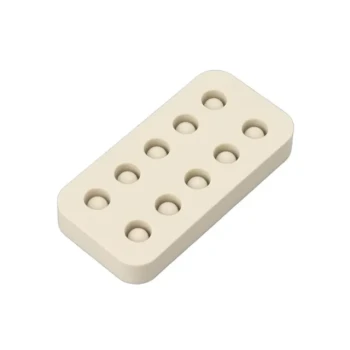
- 10-Cell Silicone Beeswax Bee Queen Cups Forming Mold
- Brown Nicot Queen Cell Cups for Breeding Queen Bees Beekeeping
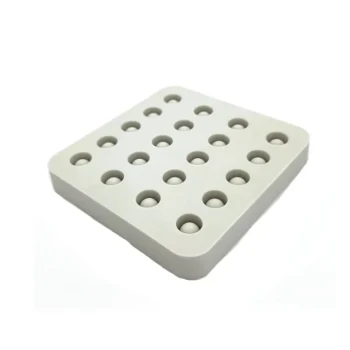
- High-Efficiency 20-Cell Silicone Mold for Beeswax Bee Queen Cup Production
People Also Ask
- What is the primary function of commercial plastic queen cell cups? Driving Efficiency in Mass Queen Rearing
- What are the primary advantages of using plastic queen cell cups? The Industrial Choice for High-Efficiency Apiaries
- What technical advantages do commercial plastic queen cell cups offer? Scale Your Queen Rearing for Maximum Efficiency
- What is the function of standardized plastic Queen Cell Cups? Boost Efficiency in Commercial Larval Grafting
- Why are standardized plastic queen cell cups preferred? Boost Commercial Queen Rearing Efficiency