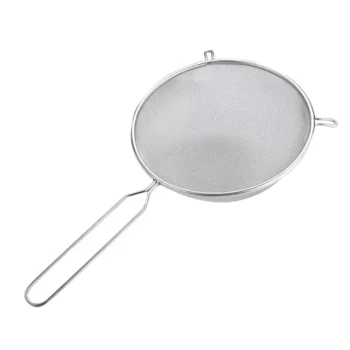
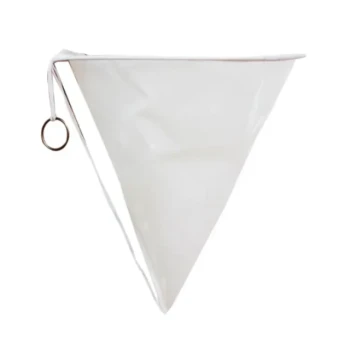
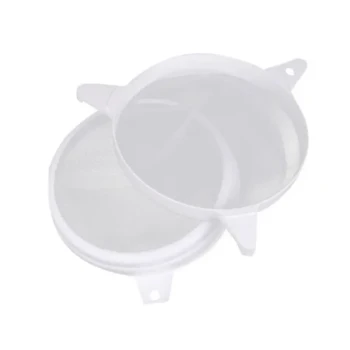
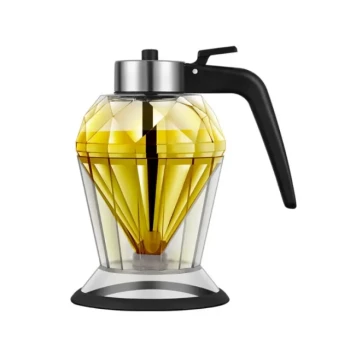
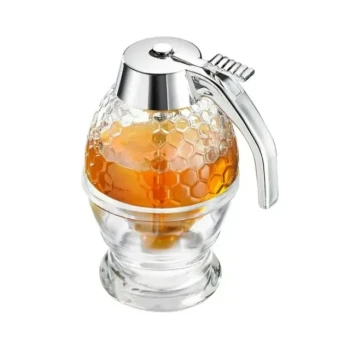
Precision filtration systems function as the defining quality control mechanism in primary honey processing. By utilizing multi-stage stainless steel filters or microporous media, these systems systematically eliminate physical contaminants such as bee parts, wax debris, and airborne dust, directly elevating the product from raw harvest to a commercially viable state.
Precision filtration is more than a cleaning step; it is a strategic refinement process that guarantees physical purity and visual clarity. By removing specific impurities that act as nucleation sites for crystallization, these systems simultaneously enhance premium market value and extend the product’s shelf stability.
Enhancing Physical and Visual Quality
Removal of Macroscopic Contaminants
Raw honey naturally contains foreign matter introduced during harvesting, including wax fragments and insect remains. Precision filtration uses multi-stage barriers to physically separate these elements without altering the honey's chemical composition. This ensures the final product meets strict physical purity standards required for food safety.
Achieving Optical Clarity
Market quality is heavily influenced by consumer perception of color and transparency. Filtration systems remove microscopic suspended matter that causes cloudiness. This results in a polished, transparent liquid that commands a higher premium in retail environments where visual appeal is paramount.
Standardization of Product Consistency
In a commercial setting, variance between batches can damage brand reputation. Industrial-grade filtration ensures that every jar meets a uniform standard of clarity and texture. This consistency is essential for stabilizing market pricing and securing entry into high-end distribution channels.
Improving Stability and Shelf Life
Delaying Crystallization
Crystallization is a natural process, but it is often perceived as a defect by mass-market consumers. Impurities such as wax particles and dust act as "nuclei" where sugar crystals begin to form. By effectively removing these microscopic solids, filtration significantly slows the crystallization rate, extending the liquid shelf life.
Preservation of Sensory Profile
Advanced filtration aims to refine the honey while preserving its essence. When executed correctly with temperature-controlled systems, the process removes defects without degrading the original flavor profile or nutritional content. This balance allows producers to offer a product that tastes authentic but looks refined.
Understanding the Trade-offs
The Pollen vs. Clarity Balance
There is a delicate technical balance between achieving perfect clarity and maintaining botanical authenticity. Aggressive filtration that removes all particulate matter may also remove natural pollen. While this maximizes clarity and delays crystallization, it can strip the honey of its geographical identifiers and nutritional value.
Regulatory Compliance Risks
Different markets have varying definitions of "quality." For instance, EU Council Directive 2001/110/EC strictly prohibits foreign matter but generally requires the retention of natural pollen. Over-filtration can inadvertently classify the product as "filtered honey" rather than "honey," potentially lowering its market classification in regions that value raw characteristics.
Making the Right Choice for Your Goal
To maximize market quality, your filtration strategy must align with your target consumer.
- If your primary focus is Mass Market Retail: Prioritize fine filtration to remove crystallization nuclei and pollen, ensuring maximum clarity and long shelf life.
- If your primary focus is High-End Natural Markets: Utilize coarse to medium filtration to remove wax and bee parts while retaining natural pollen to preserve botanical authenticity.
- If your primary focus is Export Compliance: Configure filtration meshes to strictly remove foreign matter (debris) without eliminating the microscopic pollen required for origin certification.
True market quality is achieved not just by removing impurities, but by precisely controlling what remains to meet the specific expectations of your consumer base.
Summary Table:
| Quality Factor | Filtration Impact | Market Benefit |
|---|---|---|
| Physical Purity | Removes wax, bee parts, and dust | Meets food safety & hygiene standards |
| Visual Appeal | Eliminates turbidity for optical clarity | Commands premium retail pricing |
| Shelf Life | Removes nucleation sites for crystals | Delays crystallization; extends liquid state |
| Consistency | Standardizes texture across batches | Builds brand trust and distribution reliability |
| Nutritional Profile | Selective removal of debris vs. pollen | Balances botanical authenticity with refinement |
Maximize Your Honey Quality with HONESTBEE Professional Solutions
At HONESTBEE, we understand that the right filtration strategy is the difference between raw harvest and a premium commercial product. We provide high-performance beekeeping machinery and specialized filtration systems designed specifically for the needs of commercial apiaries and global distributors.
Whether you need to achieve crystal-clear results for mass-market retail or require gentle processing to preserve natural pollen for high-end natural markets, our comprehensive wholesale offering has you covered. Beyond filtration, we supply a full spectrum of tools—from honey-filling machines to hive-making equipment—to ensure your operation is efficient and scalable.
Ready to refine your production? Contact us today to discuss our custom equipment solutions and discover how we can help you deliver superior honey products to your customers.
References
- Esther Kiwalaka. Factors Influencing the Price of Honey; A Case of Mvomero District. DOI: 10.51505/ijebmr.2023.7309
This article is also based on technical information from HonestBee Knowledge Base .
Related Products
- Electric Double Wall Honey Filtering Machine Purifier Equipment for Honey Processing Plant
- Professional Stainless Steel Honey Filtering Machine with Water Bath Heating for Beekeeping
- Professional Stainless Steel Honey Filter with Support Handle
- Honey Concentrating and Filtering Dehumidifier Machine 2T Capacity for Honey
- Professional Honey Filter with Tripod Support Stand
People Also Ask
- What is the process of filtering honey? A Guide to Clean, Pure, and Market-Ready Honey
- What types of equipment are used in honey filtering? Build an Efficient System for Pure, Marketable Honey
- What is the overall importance of using the right equipment in honey filtering? Boost Quality & Marketability
- What are the benefits of drying honey filtering equipment after use? Protect Your Honey Quality & Equipment Investment
- How should honey filtering equipment be properly maintained? Extend Equipment Life & Protect Honey Purity