Professional apiary management tools and protective equipment facilitate parasitic mite surveys by enabling researchers to extract hive frames smoothly and safely, ensuring data reliability. By utilizing specialized hive tools and smokers, researchers can minimize colony stress and disturbance. Furthermore, industrial-grade protective gear allows for the continuous, detailed observation required to count mites, even when working with highly defensive species like Africanized honey bees.
Accurate mite surveys require prolonged exposure to open hives, often under difficult conditions. Professional equipment removes the barrier of physical danger, allowing the surveyor to prioritize data collection over personal safety.
The Mechanics of Accurate Data Collection
Ensuring Smooth Frame Extraction
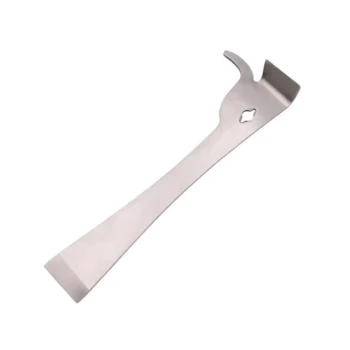
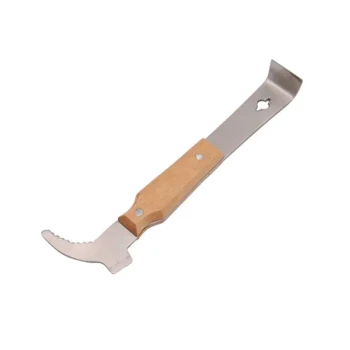
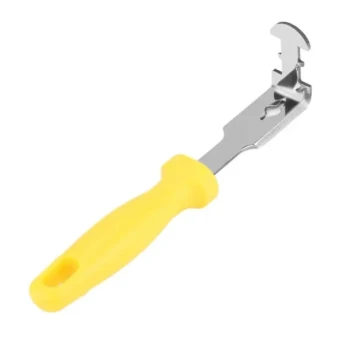
Parasitic mite surveys require the physical removal and inspection of brood frames. Professional hive tools are essential for prying these frames loose without jarring the hive.
Smooth extraction prevents sudden vibrations that can agitate the colony or dislodge mites before they can be counted. This mechanical precision ensures that the sample you observe is representative of the actual infestation level.
Controlling Colony Behavior
The use of a bee smoker is critical for maintaining a workable environment during a survey. The cool smoke produced inhibits the transmission of alarm pheromones among the bees.
By inducing a sedated state, the smoker prevents the colony from escalating into a defensive frenzy. This creates a calm window of opportunity for the researcher to perform delicate inspections of larval development and mite presence.
The Role of Protection in Research Quality
Managing Defensive Colonies
Surveys must often be conducted on aggressive variants, such as Africanized honey bees. Industrial-grade protective equipment provides the necessary physical isolation to work with these defensive colonies.
Without robust protection, the risk of massive stinging incidents would make detailed observation impossible. High-quality gear ensures that surveys can remain comprehensive regardless of the bees' temperament.
Reducing Operator Stress
Data quality is directly linked to the composure of the researcher. Modern protective gear, featuring puncture-resistant materials and clear-vision veils, significantly reduces operator panic.
When a researcher feels secure, they can work with steady hands and focus entirely on the survey protocol. This confidence leads to more frequent, thorough inspections and more scientific management decisions.
Understanding the Trade-offs
The Limits of Equipment
While professional tools facilitate access, they do not automate detection. There is a risk that researchers may over-rely on physical protection and neglect proper handling techniques.
Environmental Considerations
Heavy protective gear, while safe, can induce heat stress in the operator during long surveys. Additionally, excessive use of a smoker to control behavior can obscure visual inspections if not managed carefully.
Making the Right Choice for Your Goal
To select the right equipment strategy for your mite surveys, consider your primary operational environment:
- If your primary focus is working with Africanized or defensive stocks: Prioritize industrial-grade, full-body protective suits to ensure you can maintain the prolonged contact time needed for accurate counting.
- If your primary focus is minimizing colony impact: Focus on mastering the use of the smoker and precision hive tools to reduce vibration and alarm pheromone transmission, preserving the colony's natural state.
Professional equipment turns a volatile biological interaction into a controlled scientific process.
Summary Table:
| Equipment Type | Role in Mite Surveys | Key Benefit to Researcher |
|---|---|---|
| Precision Hive Tools | Smooth frame extraction | Prevents mite dislodgement and hive agitation |
| Bee Smokers | Colony behavior control | Inhibits alarm pheromones for a calm inspection window |
| Industrial-grade Suits | Physical isolation/protection | Enables detailed observation of defensive or aggressive species |
| Clear-vision Veils | Visual clarity and safety | Reduces operator stress and improves data collection accuracy |
Scale Your Apiary Operations with HONESTBEE
Efficient mite management is the backbone of a productive apiary. As a premier partner for commercial apiaries and distributors, HONESTBEE provides the industrial-grade solutions you need to maintain colony health at scale. From precision hive-making and honey-filling machinery to a full spectrum of wholesale beekeeping tools and essential consumables, we equip you with the hardware to turn volatile biological interactions into controlled, profitable processes.
Ready to upgrade your wholesale supply chain or commercial equipment?
Contact HONESTBEE Today to discover how our comprehensive portfolio and industry expertise can drive your business growth.
References
- Stephen J. Martin, Maria Emilene Correia-Oliveira. The occurrence of ecto-parasitic <i>Leptus</i> sp. mites on Africanized honey bees. DOI: 10.1080/00218839.2016.1228214
This article is also based on technical information from HonestBee Knowledge Base .
Related Products
- Compact Circular Bee Mite Treatment Dispenser
- HONESTBEE 15-in-1 Beekeeper Multi-Tool with Hammer and Pliers for Beekeeping
- Adjustable Formic and Acetic Acid Dispenser for Bee Mite Treatment
- Professional Stainless Steel Pry-Bar Hive Tool
- Professional Multi-Function Stainless Steel Hive Tool
People Also Ask
- What is the function of specialized prevention consumables? Protect Hives from Varroa Mites & European Foulbrood
- What is the function of specialized application devices for Varroa? Precision Control for Healthier Bee Colonies
- What technical factors influence chemical Varroa treatments? Optimize Your Hive Health with Precise Timing
- Why is glycerin used in oxalic or formic acid for Varroa mite control? Unlock Better Efficacy and Slow Release
- What is the primary purpose of organic acids and synthetic acaricides in honeybee colony management? Varroa Control Guide