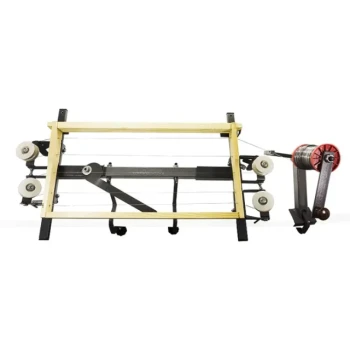
Professional beehive systems and high-efficiency tools act as the primary control mechanism for managing non-native Western honeybee populations within specific ecological boundaries. By strictly regulating where and how these bees operate, high-quality hardware minimizes the risk of feral swarm formation and reduces the competitive pressure on vulnerable native solitary bees.
The core value of professional equipment lies in containment and efficiency. It allows beekeepers to maximize pollination services for crops while minimizing the ecological "spillover" that harms local, native pollination systems.
The Ecological Barrier: Controlling Invasive Impact
Preventing Feral Populations
The primary ecological risk of managed beekeeping is the escape of swarms into the wild. Professional beehive systems are designed to significantly reduce the risk of bee escapes. By keeping colonies contained within designated agricultural areas, these systems prevent the establishment of feral populations that compete aggressively with native pollinators for resources.
Limiting Competition with Native Species
Native solitary bees often struggle to compete with the sheer numbers of a honeybee colony. Scientific management, enabled by standardized hardware, ensures honeybees remain focused on target crops rather than invading the broader ecosystem. This separation is critical for preserving the diversity of local pollination networks.
Optimizing Colony Health for Targeted Pollination
Creating Stable Microenvironments
Standardized hives feature optimized bee path structures and superior ventilation. This design creates a stable internal microenvironment, which is a prerequisite for maintaining colony strength. A stressed colony is unpredictable; a stable colony maintains high attendance rates on target crops, ensuring efficient agricultural pollination without unnecessary wandering.
Minimizing Stress Through Precision
High-precision manufacturing ensures accurate "bee space" (the gap between frames) and superior sealing. These precise dimensions reduce the biological stress on the bees. Healthy, low-stress colonies maintain strong foraging motivation, leading to higher visitor density on crops and better support for the natural reproduction of plant populations.
Refined Management via Specialized Tools
Modern toolsets and protective gear allow for scientific hive inspection with minimal harm to the bees. This refined approach maintains stable colony sizes. By keeping the managed population healthy and efficient, beekeepers can achieve pollination goals with fewer total colonies, reducing the overall biomass load on the local environment.
The Role of Data in Ecosystem Monitoring
Standardized Observation Platforms
Professional hives act as controlled artificial environments for research. They allow experts to monitor foraging behavior and health status accurately. This data is foundational for evaluating the pollination value of urban greenery and understanding how managed bees interact with the surrounding landscape.
Understanding the Trade-offs
The Density Dilemma
While professional gear improves efficiency, it also enables higher densities of bees than would occur naturally. If not managed carefully, even "contained" hives can strip nectar resources from an area, leaving little for native species. Efficiency does not eliminate the need for carrying capacity calculations.
Reliance on Management Skill
High-quality hardware is not a substitute for expertise. A professional hive system without a skilled operator can still lead to swarming and ecosystem disruption. The equipment provides the means for control, but the beekeeper provides the method.
Making the Right Choice for Your Goal
To balance agricultural needs with ecological stewardship, align your equipment choice with your specific objective:
- If your primary focus is Ecosystem Conservation: Prioritize hive systems with superior anti-swarming features and precise ventilation to prevent feral escapes and minimize stress-induced wandering.
- If your primary focus is Agricultural Yield: Invest in standardized, high-precision hardware that maximizes colony population stability and foraging density during peak flowering windows.
Professional beekeeping is no longer just about honey production; it is about precision ecological engineering that protects native biodiversity while securing our food supply.
Summary Table:
| Feature | Ecological Benefit | Impact on Native Species |
|---|---|---|
| Anti-Swarming Design | Prevents feral colony formation | Reduces resource competition |
| Precision Bee Space | Lowers colony biological stress | Maintains foraging focus on crops |
| Optimized Ventilation | Creates stable microenvironments | Minimizes wandering into wild habitats |
| Standardized Hardware | Enables scientific monitoring | Facilitates ecosystem carrying capacity data |
| Scientific Toolsets | Minimizes hive inspection damage | Maintains stable, efficient population sizes |
Elevate Your Apiary with HONESTBEE Precision Engineering
At HONESTBEE, we understand that professional beekeeping is a balance of high-yield productivity and ecological stewardship. As a leading provider for commercial apiaries and global distributors, we offer a comprehensive wholesale range designed to meet the rigorous demands of the modern industry.
Our portfolio includes everything from high-precision hive-making machinery and automated honey-filling systems to specialized hardware and essential consumables. By choosing HONESTBEE, you provide your clients with tools that ensure colony stability, minimize environmental spillover, and maximize agricultural efficiency.
Ready to scale your wholesale operations or modernize your commercial apiary?
Contact us today to explore our full equipment catalog
References
- Makoto Katô, Atsushi Kawakita. Plant‐pollinator interactions in New Caledonia influenced by introduced honey bees. DOI: 10.3732/ajb.91.11.1814
This article is also based on technical information from HonestBee Knowledge Base .
Related Products
- Professional Insulated Plastic Bee Hives
- HONESTBEE Entrance Bee Feeder Professional Hive Nutrition Solution for Beekeeping
- Professional Large-Format Hive Number Set for Beekeeping
- Professional Bee Frame Wiring Tool with Integrated Tensioning System by HONESTBEE
- Professional Bee Smoker with Elongated Spout and Durable Bellows for Beekeeping
People Also Ask
- What are the advantages of plastic bee hives? Boost Efficiency & Durability for Your Apiary
- Are plastic bee hives any good? Unlock Durability & Efficiency for Your Apiary
- How do plastic bee hives compare to wooden hives in handling? Reduce Strain & Boost Efficiency
- Are plastic bee hives good? Durable, Low-Maintenance Hives for Modern Apiaries
- What are the disadvantages of plastic beehives? Key Operational and Environmental Risks Exposed