Professional honey filtration and clarification systems are essential for transforming raw honey into a high-value, retail-ready product by removing physical impurities and stabilizing aesthetic quality. These systems utilize multi-stage mesh designs and centrifugal force to eliminate wax debris, larval residues, and particulate matter without compromising nutritional integrity. By standardizing clarity and color consistency, these technologies ensure honey meets the stringent sensory and hygiene requirements of high-end global markets.
Professional filtration is the bridge between raw harvest and commercial success, ensuring that honey meets the purity, stability, and visual standards required for international export and premium retail distribution.
Enhancing Marketability Through Superior Clarity
Multi-Stage Particle Removal
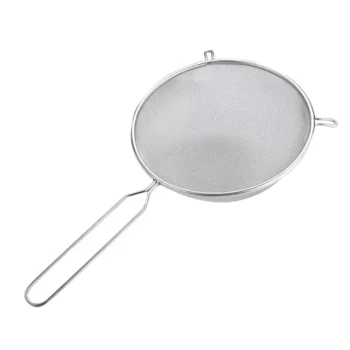
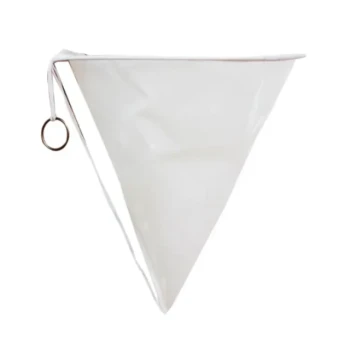
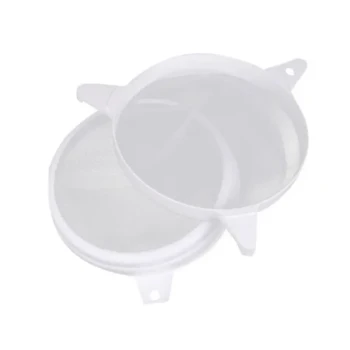
Professional systems use a multi-stage mesh design to intercept various sizes of debris, from large honeycomb fragments to minute wax particles. This rigorous physical screening removes bee remains, larvae, and forest debris that can compromise food safety and consumer trust.
Color Consistency and Visual Appeal
By removing suspended solids, filtration significantly improves the clarity and transparency of the honey. This process ensures a uniform appearance across large batches, which is a critical requirement for distributors supplying supermarkets and pharmacies where visual consistency is a proxy for quality.
Preserving Nutritional Integrity
Unlike crude processing, professional mechanized systems often utilize physical centrifugal force rather than excessive heat or manual squeezing. This protects the honey’s delicate enzymes and bioactive compounds while ensuring the final product remains free of the impurities that accelerate spoilage.
Extending Shelf Life and Ensuring Compliance
Crystallization Control and Stability
Fine filtration removes the "seeds" of crystallization, such as pollen and micro-particulates, which can cause honey to solidify prematurely. Professional systems, sometimes integrated with temperature control technology, extend the liquid shelf life of the product, making it more viable for long-distance shipping and extended retail display.
Meeting Global Regulatory Standards
Mechanized filtration ensures that honey meets national and international quality standards for purity and hygiene. For wholesalers and exporters, this equipment is a prerequisite for passing the rigorous inspections required for entry into formal commercial distribution channels.
Structural Integrity and Hygiene
Utilizing professional-grade extractors and filters preserves the integrity of the honeycomb for reuse while maintaining a sterile processing environment. This shift from manual to mechanized processing minimizes human contact and environmental contamination, elevating the overall food safety profile of the inventory.
Understanding the Trade-offs
Filtration Density vs. Flow Rate
A common challenge in honey processing is balancing the density of the filtration mesh with the speed of production. While ultra-fine meshes provide superior clarity, they can slow down the filtration process and may require pressurized systems to maintain the ultra-fast delivery and fulfillment expected in high-volume trading.
Nutrient Retention vs. Absolute Purity
There is an inherent trade-off between achieving "sparkling" clarity and retaining all natural pollen counts. Some high-end markets value raw, unfiltered honey; however, for the vast majority of commercial retail, the risks of crystallization and visible debris far outweigh the benefits of minimal filtration.
Strategic Sourcing for Your Distribution Goals
How to Apply This to Your Portfolio
When selecting honey products or processing equipment for your supply chain, consider how these systems align with your specific market segment and turnover requirements.
- If your primary focus is high-end retail and pharmacies: Prioritize honey processed through high-precision, multi-stage filtration to ensure maximum clarity and a long, crystallization-free shelf life.
- If your primary focus is bulk industrial supply: Look for high-capacity centrifugal systems that emphasize rapid response times and efficient order fulfillment without compromising basic purity standards.
- If your primary focus is brand prestige and "natural" labeling: Opt for systems that use coarse, cold-filtration methods which remove large debris while preserving the honey's natural characteristics and pollen profile.
By integrating professional filtration standards into your sourcing strategy, you ensure a consistent, high-quality product that meets the sophisticated demands of the modern global marketplace.
Summary Table:
| Feature | Function | Business Benefit |
|---|---|---|
| Multi-Stage Mesh | Removes wax, larvae, and debris | Ensures high purity and food safety compliance |
| Centrifugal Force | Clarifies honey without high heat | Preserves enzymes and bioactive nutrients |
| Particle Removal | Eliminates crystallization 'seeds' | Extends shelf life for long-distance export |
| Standardized Flow | Uniform color and transparency | Enhances brand consistency for retail display |
Scale Your Honey Business with HONESTBEE’s Premium Solutions
Are you looking to upgrade your inventory with professional-grade honey processing technology? HONESTBEE is the strategic partner for commercial apiaries, distributors, and B2B resellers worldwide. We offer a one-stop sourcing experience with a comprehensive wholesale portfolio, including honey-filling machines, specialized filtration systems, hive-making hardware, and essential industry consumables.
Why Partner with HONESTBEE?
- Comprehensive Portfolio: Access everything from heavy machinery to honey-themed cultural merchandise.
- Optimized for Wholesalers: Benefit from deep professional expertise, OEM/ODM support, and high profit margins.
- Efficiency at Scale: Experience ultra-fast delivery and rapid response times to keep your supply chain moving.
Ready to elevate your product standards and market reach? Contact our expert team today to receive a tailored wholesale quote!
References
- Phiri Simbi, Chipo Kalila. Sustainable Beekeeping Practices Adoption by Women Cooperatives in Malawi: Economic Benefits and Environmental Impact Evaluation. DOI: 10.5281/zenodo.18751920
This article is also based on technical information from HonestBee Knowledge Base .
Related Products
- Electric Double Wall Honey Filtering Machine Purifier Equipment for Honey Processing Plant
- Professional Stainless Steel Honey Filtering Machine with Water Bath Heating for Beekeeping
- Professional Honey Filter with Tripod Support Stand
- Professional Stainless Steel Honey Filter with Support Handle
- 0.5T Capacity Honey Dehumidifier Dryer with Vacuum Heating and Thickening Filtering Machine
People Also Ask
- What types of equipment are used in honey filtering? Build an Efficient System for Pure, Marketable Honey
- What is the process of filtering honey? A Guide to Clean, Pure, and Market-Ready Honey
- What is the overall importance of using the right equipment in honey filtering? Boost Quality & Marketability
- Why is filtering important in honey processing, and what equipment is used? A Guide to Quality & Efficiency
- What steps are involved in maintaining honey filtering equipment? A Guide to Protecting Your Honey Quality