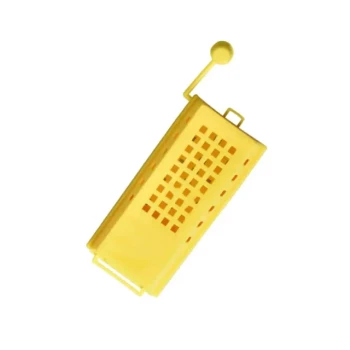
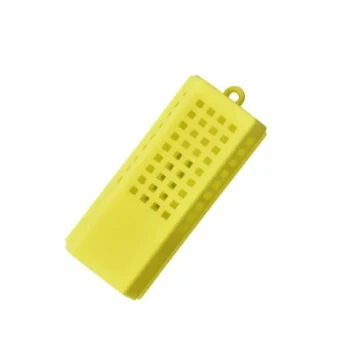
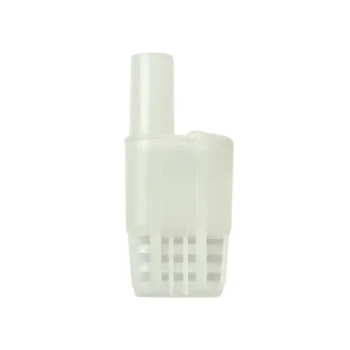
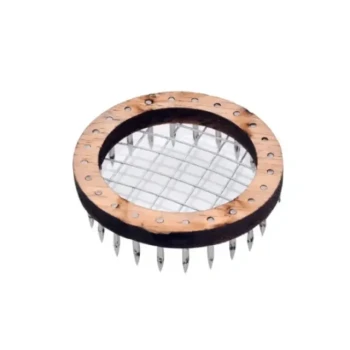
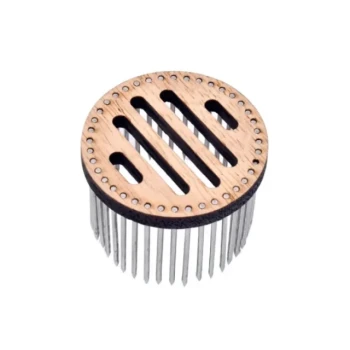
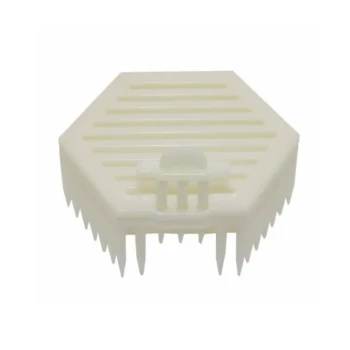
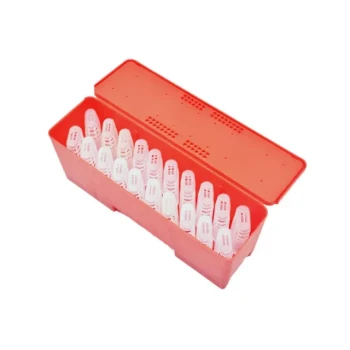
Queen Cages function as a force multiplier for chemical treatments by synchronizing mite exposure. By temporarily restricting the queen's egg-laying capability, these devices create an artificial "brood interruption" within the colony. This process eliminates the safe havens where mites typically hide, forcing the entire Varroa population onto adult bees where they are fully vulnerable to medicinal applications.
The Core Insight: The effectiveness of many chemical treatments is limited because they cannot penetrate capped brood cells. Queen Cages solve this by stopping new brood production, ensuring 100% of the mites are exposed on adult bees when the treatment is applied.
The Mechanics of Brood Interruption
Restricting the Safe Haven
Varroa mites rely on honeybee brood cells to reproduce. A significant portion of the mite population exists inside capped cells at any given time, protected by a wax barrier.
Forcing Mite Migration
The Queen Cage physically limits the queen’s space, preventing her from laying eggs. As existing brood hatches and no new eggs are laid, the colony eventually becomes "broodless."
Total Exposure
Without brood cells to inhabit, every mite in the colony is forced to attach to the bodies of adult bees. This state is critical because the mites are no longer shielded by wax cappings.
Enhancing Chemical Efficacy
Overcoming Penetration Issues
Many highly effective treatments, particularly organic acids like oxalic acid, are contact-based. They function exceptionally well on exposed mites but cannot permeate the wax caps of sealed brood.
Achieving Maximum Kill Rates
If a contact chemical is applied while brood is present, the mites inside the cells survive, leading to rapid re-infestation. By using a Queen Cage to ensure a broodless state, medicinal spraying or fumigation hits the entire mite population at once.
Single-Treatment Efficiency
This method allows for a high-efficacy "clean sweep" of the colony. It reduces the need for repeated applications that would otherwise be necessary to catch mites emerging from brood over time.
Understanding the Trade-offs
Context is Key
The Queen Cage method is a specific strategy for contact chemicals (organic acids). It is distinct from using slow-release strips (like synthetic acaricides), which solve the brood issue differently by releasing chemicals over several weeks to catch mites as they emerge naturally.
Timing Precision
Using Queen Cages requires precise management. You must ensure the colony is truly broodless before treating. Mis-timing the release of the queen or the application of the medicine will reduce efficacy.
Making the Right Choice for Your Goal
To maximize your pest control strategy, align your equipment with your chemical of choice:
- If your primary focus is using organic acids (like oxalic acid): Use a Queen Cage to create a broodless period, ensuring the chemical contacts 100% of the mite population.
- If your primary focus is using slow-release synthetic strips: A Queen Cage is generally unnecessary, as the strips are designed to remain active across multiple brood cycles to target emerging mites.
By removing the mites' ability to hide, you transform a standard treatment into a comprehensive eradication event.
Summary Table:
| Feature | Impact on Mite Control |
|---|---|
| Mechanism | Restricts queen egg-laying to create an artificial brood break. |
| Mite Exposure | Forces 100% of mites out of capped cells and onto adult bees. |
| Chemical Synergy | Ideal for contact-based treatments like Oxalic Acid. |
| Key Benefit | Eliminates "safe havens" under wax cappings for a total clean sweep. |
| Efficiency | Reduces the need for repeated chemical applications. |
Upgrade Your Apiary Management with HONESTBEE
Maximize your colony health and treatment efficiency with professional-grade beekeeping solutions. At HONESTBEE, we specialize in supporting commercial apiaries and distributors with a comprehensive wholesale range of high-performance equipment.
From precision Queen Cages designed for effective mite management to advanced honey-filling machines and specialized hardware, we provide everything your business needs to thrive. Our portfolio also includes essential industry consumables and unique honey-themed cultural merchandise to help you stand out in the market.
Ready to scale your operations? Contact us today to explore our wholesale catalog and expert solutions!
References
- Aleš Gregorc, Blair J. Sampson. Diagnosis of Varroa Mite (Varroa destructor) and Sustainable Control in Honey Bee (Apis mellifera) Colonies—A Review. DOI: 10.3390/d11120243
This article is also based on technical information from HonestBee Knowledge Base .
Related Products
- Durable Galvanized Steel Spring Queen Bee Cage
- Professional Queen Cage with Sliding Gate and Feeder Plug
- Classic Wooden and Mesh California Queen Cage
- Professional Queen Bee Introduction and Transport Cage
- Professional Multi-Functional Queen Bee Cage
People Also Ask
- Why are specialized queen bee cages used for the banking of mated queen bees? Maximize Commercial Apiary Storage Efficiency
- What is the mechanism of action for using temporary queen bee cages? Master Successful Queen Introduction
- What is the step-by-step process for installing a queen bee's cage onto a frame? Ensure Hive Acceptance Safely
- What is the optimal placement for a queen bee cage? Essential Strategies for Successful Re-queening
- What are the advantages and disadvantages of introducing a queen bee by embedding the cage? Boost Your Queen Acceptance