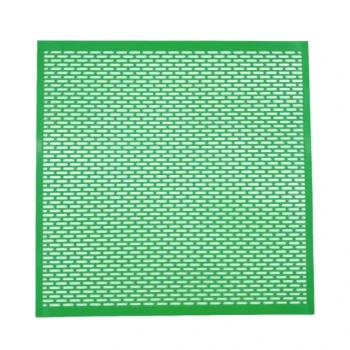
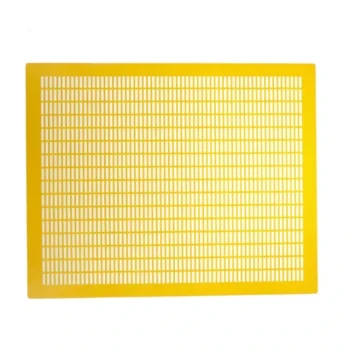
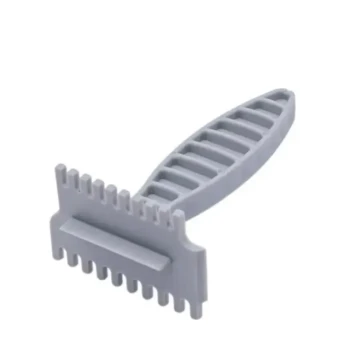
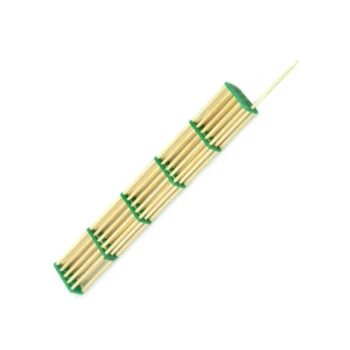
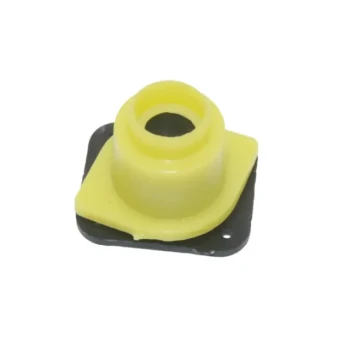
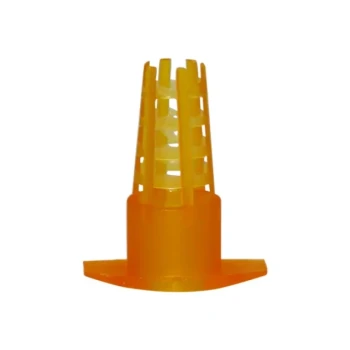
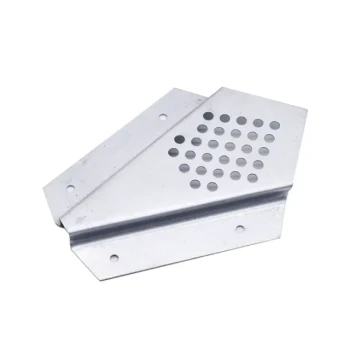
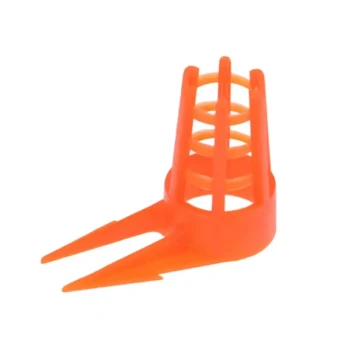
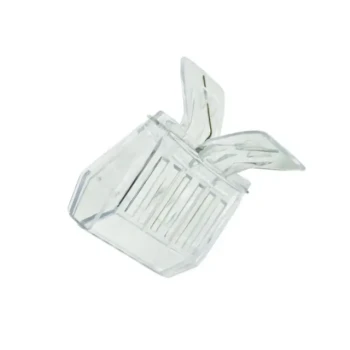
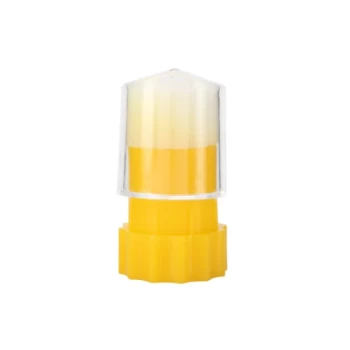
Queen excluders and entrance gates function as essential mechanical anchors for commercial hives. By leveraging the physical size difference between the larger queen bee and smaller worker bees, these devices create a selective barrier. While workers pass freely to forage and maintain the hive, the queen is restricted to specific zones, effectively "locking" the reproductive center of the colony in place.
By physically preventing the queen from leaving the hive, these tools solve the critical problem of colony absconding during high-stress periods, ensuring the swarm remains established and productive in its designated location.
The Mechanics of Colony Stabilization
Leveraging Biometric Differences
The fundamental principle behind both entrance gates and queen excluders is precision filtration. These devices feature grid openings specifically calibrated to the morphometrics of the target species, such as Apis cerana.
The openings are wide enough for the smaller workforce to conduct daily operations without hindrance. However, they are too narrow for the queen's larger thorax and abdomen to pass through. This physical constraint is the primary mechanism of control.
Preventing Colony Absconding
In commercial operations, stability is often threatened during initial colony transfer or large-scale breeding. These are high-stress events where a colony is prone to absconding—abandoning the hive entirely.
If the queen is unable to exit through the entrance gate, she cannot lead the swarm to a new location. Consequently, the colony is forced to settle and colonize the specific area designated by the beekeeper. This turns a potentially volatile transfer into a controlled, successful colonization.
Operational Stability and Efficiency
Segregating Brood from Yield
Beyond preventing escape, queen excluders provide internal structural stability by separating the hive's functions. By confining the queen to the lower brood chamber, beekeepers ensure that the upper "supers" are used exclusively for honey storage.
This separation prevents the queen from laying eggs in the honey stores. The result is a harvest free of larvae and impurities, significantly increasing the quality and purity of the final commercial product.
Streamlining the Workflow
Commercial stability relies on efficient processes. When brood is kept out of honey supers, the harvesting process becomes predictable and fast.
Beekeepers do not need to inspect honey frames for brood or filter out larvae during extraction. This allows for mechanized or rapid processing, which is vital for the scalability of large apiaries.
Understanding the Trade-offs
The "Honey Excluder" Debate
While these tools provide stability, they are not without controversy. Some beekeepers argue that excluders can act as a barrier to worker bees as well, potentially slowing down the movement of nectar into the supers.
Potential for Colony Stress
If not managed correctly, restricting the queen can lead to congestion in the brood nest. It requires the beekeeper to ensure the brood chamber has sufficient space for the queen to lay, otherwise, the "forced" stability may curb the colony's growth rate.
Making the Right Choice for Your Goal
To maximize the stability of your commercial apiary, select the tool configuration that matches your immediate operational phase:
- If your primary focus is Colony Establishment: Utilize entrance gates during transfers to physically prevent the queen from absconding, ensuring the swarm accepts the new hive.
- If your primary focus is Product Purity: Install queen excluders between the brood box and supers to guarantee honey is free of larvae and eggs, streamlining your harvest.
Strategic use of these physical barriers transforms the unpredictable nature of a swarm into a managed, stationary asset.
Summary Table:
| Tool Type | Primary Function | Stability Benefit | Impact on Productivity |
|---|---|---|---|
| Entrance Gate | Physical barrier at hive entry | Prevents queen from absconding | High during colony establishment |
| Queen Excluder | Internal segregation | Confines queen to brood chamber | Ensures larvae-free honey harvest |
| Biometric Grid | Size-based filtration | Locks reproductive center in place | Streamlines mechanized extraction |
Maximize Your Apiary’s Output with HONESTBEE
For commercial apiaries and distributors, maintaining colony stability and honey purity is the foundation of a profitable operation. HONESTBEE provides the precision-engineered tools you need to scale effectively. From specialized queen excluders and entrance gates designed for Apis cerana and Apis mellifera, to industrial-grade hive-making and honey-filling machines, we offer a comprehensive wholesale portfolio to streamline your workflow.
Partner with us to access high-quality beekeeping machinery, essential consumables, and unique honey-themed cultural merchandise. Let us help you turn unpredictable swarms into managed, high-yield assets.
Contact our commercial specialists today to request a quote!
References
- Z. Muhammad Shakir, D. Mohd Salleh. Honeybees, Apis cerana colony performance in the non-protected and protectedbeehive methods in relation to climatic factors. DOI: 10.26656/fr.2017.6(s1).002
This article is also based on technical information from HonestBee Knowledge Base .
Related Products
- High Performance Plastic Queen Excluder for Beekeeping and Apiary Management
- Professional Plastic Queen Excluder for Modern Beekeeping
- Lightweight Durable Plastic Queen Excluder Scraper for Beekeeping
- Metal Queen Bee Excluder for Beekeeping
- Premium Wood Framed Metal Wire Queen Bee Excluder
People Also Ask
- What are the characteristics of a plastic queen excluder? Key Benefits for Cost-Effective Beekeeping
- What are the operational and cost advantages of using plastic queen excluders over metal or wire excluders in commercial hive management? Discover how they reduce labor, prevent wing damage, and lower total costs.
- What types of queen excluders are available for beekeepers? Choose the Right Tool for Your Hive
- Why are standardized hive frames and queen excluders essential for maintaining honey purity and quality? Scale Your Purity
- Do plastic queen excluders work? A Cost-Effective Solution for Modern Apiaries