Stingless bee honey is biochemically distinct from standard honey, primarily due to its significantly higher moisture content, making professional sealed storage containers the single most critical factor in its preservation. These containers function as an airtight barrier that prevents the honey from absorbing atmospheric humidity and inhibits the proliferation of microorganisms that cause rapid fermentation.
Core Takeaway Because stingless bee honey is naturally high in water and prone to spoilage, sealed containers are not just packaging; they are an active preservation system. They maintain a controlled environment that blocks external moisture and contaminants, ensuring the honey’s medicinal properties, flavor, and stability remain intact.
The Critical Role of Moisture Control
Combating Hygroscopic Absorption
Stingless bee honey is highly hygroscopic, meaning it naturally attracts and absorbs water from the surrounding air. Without a hermetic seal, the honey will pull in environmental humidity, raising its water content to unstable levels. Sealed containers provide a necessary vapor barrier to strictly maintain the honey's original moisture profile.
Preventing Spontaneous Fermentation
The combination of high native moisture and natural yeasts makes this honey exceptionally prone to fermentation. By cutting off the supply of external oxygen and moisture, sealed containers inhibit the biological triggers that lead to souring. This creates a stable environment where fermentation-inducing microorganisms cannot thrive.
Preserving Bioactive and Sensory Quality
Protecting Medicinal Compounds
Stingless bee honey is valued for its unique biochemical activity, including enzymes and antioxidants. Airtight storage prevents oxidative degradation, keeping these sensitive nutritional components stable over long periods. This protection is vital for maintaining the honey's status as a high-quality functional food.
Retaining Unique Flavor Profiles
The distinct, tangy flavor of stingless bee honey is volatile and easily altered by environmental exposure. Sealed containers prevent the absorption of external odors that could taint the honey's natural taste. They also lock in the volatile aromatic compounds that define the honey's specific floral source.
Enabling Beneficial Aging
When stored in high-quality sealed containers, the honey can undergo a controlled "natural aging" process. Over time, this sealed environment facilitates physicochemical changes, such as a reduction in moisture and an increase in antioxidant concentration. This transforms the product, enhancing its economic value and health benefits rather than allowing it to spoil.
Understanding Material Trade-offs
Chemical Inertness is Key
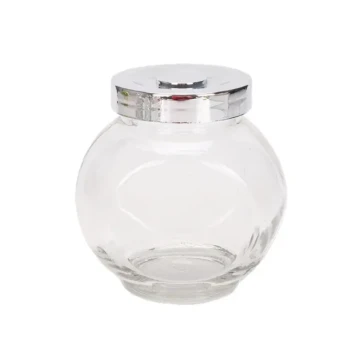
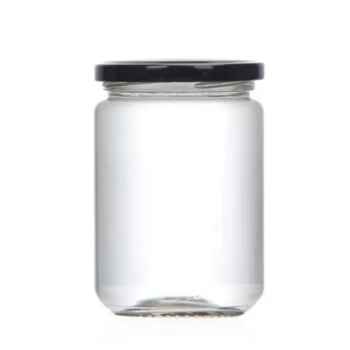
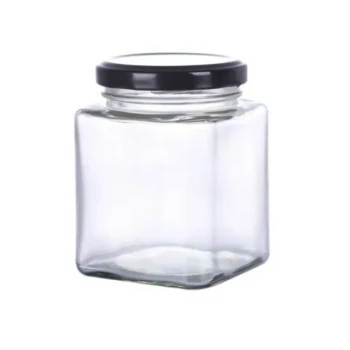
Not all sealed containers are equal; the material must be chemically inert to prevent reactions with the honey's bioactive acids. Glass containers are often superior for long-term storage as they are completely inert and prevent any leaching or chemical exchange. High-quality plastic is effective for primary packaging and transport but must be food-grade to ensure no impurities contaminate the product.
The Limits of Sealing Alone
While a sealed container is the first line of defense, it is rarely sufficient on its own for indefinite preservation at room temperature. Because the honey contains natural yeasts, sealing must often be paired with low-temperature refrigeration (4°C) to fully halt microbial activity. Relying solely on a seal without temperature control may still result in fermentation if the initial moisture content is exceptionally high.
Making the Right Choice for Your Goal
To select the correct storage strategy, you must define your primary objective for the honey.
- If your primary focus is maximum shelf life: Prioritize sterile, airtight plastic or glass containers combined with consistent refrigeration to completely inhibit yeast activity.
- If your primary focus is increasing medicinal value: utilize chemically inert glass containers to facilitate natural aging and the concentration of flavonoid bioactive compounds.
Effective preservation is a discipline of isolation; the quality of your honey is defined by how well you protect it from the environment.
Summary Table:
| Preservation Factor | Benefit of Sealed Containers | Impact on Quality |
|---|---|---|
| Moisture Control | Blocks hygroscopic absorption of atmospheric water | Prevents dilution and spoilage |
| Microbial Stability | Inhibits yeast proliferation by limiting oxygen | Stops spontaneous fermentation |
| Oxidation Defense | Protects sensitive enzymes and antioxidants | Maintains bioactive medicinal properties |
| Flavor Retention | Locks in volatile aromatic compounds | Preserves unique tangy flavor profile |
| Aging Process | Facilitates controlled physicochemical changes | Increases antioxidant concentration |
Scale Your Honey Production with HONESTBEE
Maximize the shelf life and medicinal value of your stingless bee honey with professional-grade solutions. HONESTBEE serves commercial apiaries and distributors with a comprehensive wholesale portfolio, including specialized honey-filling machinery and high-quality storage equipment designed to maintain product integrity. From advanced hardware to essential industry consumables, we provide the tools you need to excel in the global beekeeping market.
Ready to elevate your apiary's efficiency? Contact us today for wholesale inquiries!
References
- Fabio Fernando Flores, Liliana C. Lupo. Melliferous insects and the uses assigned to their products in the northern Yungas of Salta, Argentina. DOI: 10.1186/s13002-018-0222-y
This article is also based on technical information from HonestBee Knowledge Base .
Related Products
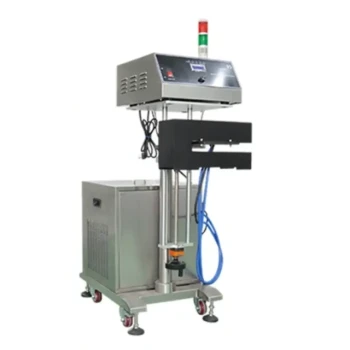
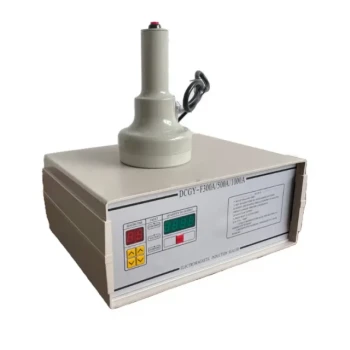
- Professional Water Cooled Induction Sealing Machine for Bottles and Containers
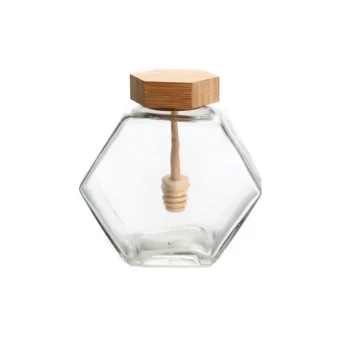
- Hexagonal Glass Honey Jar with Wooden Lid Integrated Dipper Elegant Functional Storage
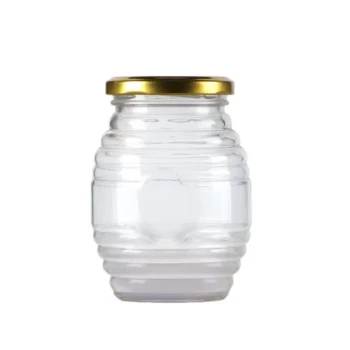
- Classic Glass Honey Jar with Metal Lug Cap for Beehive Storage
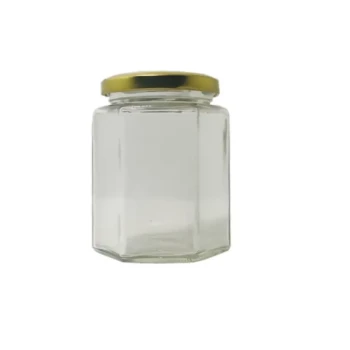
- Hexagonal Glass Honey Jars with Metal Lug Caps Elegant Versatile Packaging
- Classic Drum Shaped Glass Honey Jar with Airtight Lid
People Also Ask
- How does tamper-evident sealing equipment benefit the honey trade? Ensure Product Integrity and Market Trust
- What is the function of an induction sealing machine in packaging? Secure Your Brand with Tamper-Evident Seals
- How does an induction sealing machine work? Enhance Honey Packaging with Hermetic Seals & Tamper Evidence
- What is an induction sealing machine and how does it work? Achieve Airtight, Tamper-Evident Seals
- How does the induction sealing process work? Create Tamper-Evident, Airtight Seals for Your Products