Industrial-grade plastic buckets are the preferred choice for honey logistics because they fundamentally solve the chemical and physical vulnerabilities inherent in traditional containers like ceramic jars or metal drums. Specifically, they offer chemical inertness against honey's natural acidity, preventing corrosion and contamination, while their impact-resistant, lightweight construction ensures safe transport over rough terrain where brittle containers would fail.
Core Takeaway By combining superior sealing capabilities with a non-reactive material, industrial plastic buckets protect honey’s chemical purity and moisture balance during transport. They effectively replace fragile, heavy traditional vessels with a solution that ensures both physical security and hygienic integrity from the apiary to the processing center.
The Chemistry of Preservation
Preventing Chemical Contamination
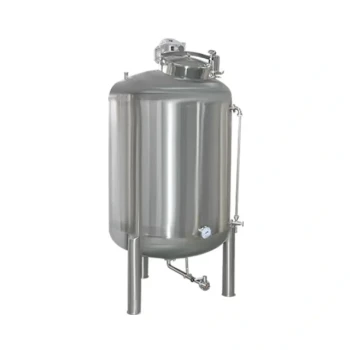
Honey is a mildly acidic substance. Traditional metal containers can react with this acidity, leading to corrosion and the leaching of metal ions into the product.
Industrial-grade plastic is chemically inert, meaning it acts as a neutral barrier that does not react with the honey. This prevents the development of metallic off-flavors and maintains the honey's original physicochemical characteristics.
Controlling Moisture and Fermentation
Honey is highly hygroscopic, meaning it naturally absorbs moisture from the surrounding air. If moisture levels rise too high, the honey can ferment and spoil.
Industrial plastic buckets are engineered with superior sealing capabilities that create an airtight physical barrier. This effectively blocks atmospheric moisture, keeping water content within safe standards and preventing spoilage.
Retaining Volatile Aromas
The market value of honey relies heavily on its unique floral scent and flavor profile. These characteristics are volatile and can be lost if the container is not airtight.
The high-quality seals on industrial buckets prevent the escape of these volatile organic compounds. This ensures the honey retains its specific botanical flavor during the transition from harvest to processing.
Logistics and Physical Durability
Eliminating Fragility Risks
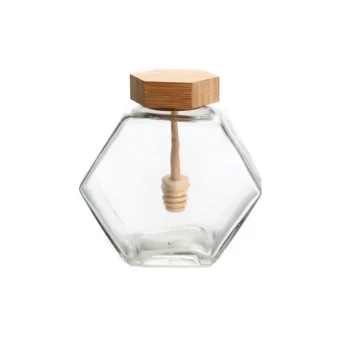
Traditional containers, such as ceramic jars, clay pots, or glass, are inherently brittle and prone to breakage. This poses a significant risk during logistics, particularly when transporting raw honey over rough terrain.
Industrial plastic is impact-resistant and virtually unbreakable under normal transport conditions. This durability dramatically reduces product loss due to accidents or rough handling during shipping.
Reducing Transport Costs
Ceramics and glass are heavy materials, which increases the fuel consumption and effort required for logistics.
Plastic buckets are significantly lightweight relative to their volume. This reduction in tare weight lowers shipping costs and makes handling easier for apiary workers and logistics personnel.
Understanding the Trade-offs
Plastic vs. Glass for Long-Term Storage
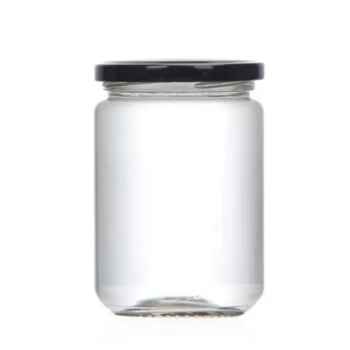
While plastic is superior for logistics and bulk handling, it is not always the perfect permanent solution. Glass containers are impermeable and generally provide an even tighter seal than plastic, with zero risk of material interaction over decades.
Some plastics may interact with honey over extremely long periods, potentially affecting taste. Therefore, plastic is optimal for transport and intermediate storage, while glass remains a strong contender for final consumer packaging or indefinite storage.
The "Food-Grade" Requirement
Not all plastic buckets are suitable for honey. It is critical to use only certified food-grade plastics to ensure safety.
Using non-food-grade industrial plastic can introduce harmful chemicals into the honey. You must verify that the material is specifically rated for food contact to maintain hygiene standards.
Making the Right Choice for Your Goal
To ensure you select the correct container for your specific operation, consider the following distinct needs:
- If your primary focus is bulk logistics and transport: Prioritize industrial-grade plastic buckets to minimize weight and eliminate breakage risks during transit.
- If your primary focus is long-term, indefinite archiving: Consider glass containers for small batches to ensure absolute chemical neutrality over periods exceeding several years.
- If your primary focus is hygiene and sanitation: Select plastic buckets with wide openings that are easy to sanitize, preventing secondary contamination between uses.
The superior balance of durability, chemical stability, and seal integrity makes industrial plastic buckets the definitive standard for moving honey from the hive to the market safely.
Summary Table:
| Feature | Industrial Plastic Buckets | Traditional Containers (Ceramic/Metal) |
|---|---|---|
| Chemical Stability | Inert; no reaction with honey's acidity | Potential corrosion or leaching of metal ions |
| Durability | High impact resistance; unbreakable | Brittle and prone to breakage during transit |
| Moisture Control | Airtight seals prevent fermentation | Varies; often less effective at sealing |
| Weight | Lightweight; reduces shipping costs | Heavy; increases labor and fuel expenses |
| Best Use Case | Bulk logistics and intermediate storage | Final consumer packaging or archiving |
Scale Your Honey Logistics with HONESTBEE
Maintaining the purity and aroma of your honey requires more than just a container—it requires a professional-grade logistics solution. HONESTBEE specializes in supporting commercial apiaries and distributors with high-performance, food-grade beekeeping equipment designed for the rigors of industrial use.
From high-capacity industrial plastic buckets that ensure hygienic integrity to advanced honey-filling machines and specialized hardware, our comprehensive wholesale portfolio is built to optimize your production line. We provide the essential tools and consumables that help you reduce product loss and protect your market value.
Ready to upgrade your apiary’s efficiency? Contact our experts today to discuss our volume-discounted beekeeping tools and machinery tailored to your commercial needs.
References
- Alemayehu Anza, Amssalu Bezabeh. Postharvest Handling Practices and Marketing of Honey at Arba Minch Zuria District of Gamo Zone, Southern Ethiopia. DOI: 10.59122/135a351
This article is also based on technical information from HonestBee Knowledge Base .
Related Products
- Food Grade Plastic Honey Bucket Pail for Beekeeping
- Plastic Honey Gate Spout with Wing Nut for Beekeeping Honey Bucket
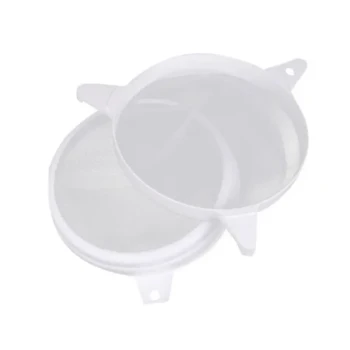
- Two-Stage Plastic Honey Filter for Buckets
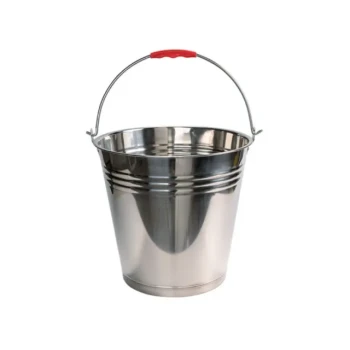
- Premium Stainless Steel Honey Tank Bucket Pail with Reinforced Handle and Polished Finish
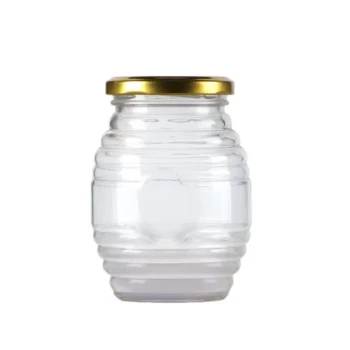
- Classic Glass Honey Jar with Metal Lug Cap for Beehive Storage
People Also Ask
- What key operational precautions should be taken when using honey buckets and extractors fitted with bottom drain taps?
- What functions do food-grade honey buckets perform? Safeguard Your Harvest and Optimize Apiary Logistics
- Why are food-grade plastic buckets preferred for honey? Protect Quality with Modern Honey Collection Tools
- What is the significance of food-grade plastic honey collection buckets? Boost Quality in Forest Honey Logistics
- What is a honey pail? The Essential Container for Protecting Your Honey's Value