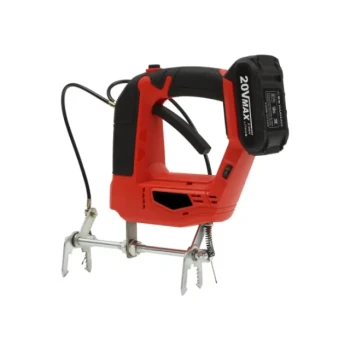
Benchtop automatic shakers are preferred because they impose strict standardization on the extraction process. Unlike manual methods, these devices apply high-frequency mechanical oscillation with identical duration and force every single time. This eliminates the variability inherent in human movement, ensuring that mite recovery data is accurate and comparable.
Reliability in Varroa extraction relies on uniformity. Automatic shakers replace inconsistent manual force with precise mechanical action, ensuring that variations in data reflect the actual infestation level rather than operator fatigue.
The Science of Consistency
The primary value of an automatic shaker lies in its ability to remove the "human element" from the physical washing process.
Eliminating Operator Variables
Manual shaking is inherently subjective. Two different people will shake a sample with different levels of vigor, and even a single person will vary their force as they tire.
Automatic shakers do not suffer from fatigue. They maintain the exact same intensity from the first sample to the last, preventing data skew caused by a tired operator.
Standardized Mechanical Oscillation
To dislodge mites effectively, the washing solution (ethanol or detergent) requires high-frequency agitation.
Automatic units provide a standardized oscillation that remains constant. This consistency ensures that the mechanical forces acting on the bees are identical across all trials.
Ensuring Uniform Washing Force
For a count to be accurate, every bee in the sample must be subjected to the same washing intensity.
An automatic shaker ensures this uniformity, guaranteeing that the washing force penetrates the sample evenly. This leads to consistent mite recovery rates, which is the ultimate metric of a successful extraction procedure.
Common Pitfalls of Manual Shaking
To understand the value of automation, one must look at the specific failures of manual techniques.
Inconsistent Force Application
The text highlights that manual shaking is subject to significant "variations in force." This inconsistency means that some samples may be under-washed, leading to artificially low mite counts.
Introduction of Experimental Error
When the duration or intensity of shaking fluctuates, it introduces experimental error. This "noise" in the data makes it difficult to compare results between different samples or different time periods accurately.
Applying This to Your Sampling Protocol
If you are establishing a protocol for Varroa mite extraction, the choice of equipment dictates the reliability of your data.
- If your primary focus is Reducing Experimental Error: Rely on automatic shakers to eliminate the variables of human force and fatigue.
- If your primary focus is Consistent Recovery Rates: Use automatic oscillation to ensure every bee receives the exact same washing intensity required to dislodge mites.
- If your primary focus is Standardization: Implement automatic shaking to guarantee that duration and frequency remain identical across all samples.
Automating the agitation process is the single most effective step toward achieving scientific rigor in Varroa mite extraction.
Summary Table:
| Feature | Manual Shaking | Automatic Shaking |
|---|---|---|
| Consistency | Highly Variable | Strictly Standardized |
| Oscillation Force | Inconsistent/Subjective | High-Frequency & Identical |
| Operator Fatigue | Impacts Data Quality | Zero Fatigue Factor |
| Recovery Accuracy | Risk of Experimental Error | High Precision Recovery |
| Scalability | Labor-Intensive | Efficient & Repeatable |
Elevate Your Apiary Operations with HONESTBEE
Precise data is the backbone of successful beekeeping, and the right equipment makes all the difference. At HONESTBEE, we specialize in providing commercial apiaries and distributors with the highest quality beekeeping tools and industrial machinery. Whether you need specialized hardware like honey-filling machines, hive-making equipment, or essential consumables to support Varroa mite management, we offer a comprehensive wholesale portfolio tailored to your needs.
Ready to scale your business with professional-grade equipment? Contact us today to discuss your wholesale requirements and discover how our industry expertise can drive your success.
References
- M. Taylor, Bernard C. Dominiak. Relative effectiveness of methods that sample worker honey bees to estimate Varroa destructor populations in Apis mellifera colonies. DOI: 10.1007/s13592-024-01143-y
This article is also based on technical information from HonestBee Knowledge Base .
Related Products
- Heavy Duty 12V Oxalic Acid Evaporator Vaporizer for Bee Varroa Mite Treatment Beekeeping Fumigator Atomizer
- Durable 12V Oxalic Acid Vaporizer for Varroa Mite Treatment Beehive Beekeeping Tool
- 12V Bee Mite Removal Evaporator Oxalic Acid Vaporizer for Bee Fumigation Treatment 180W Atomization
- Oxalic Acid Vaporizer 12V for Bee Varroa Mite Treatment
- Adjustable Formic and Acetic Acid Dispenser for Bee Mite Treatment
People Also Ask
- How can oxalic acid treatment be applied effectively when capped brood is present? Master the 3-Stage Vapor Protocol
- What are the main advantages of using oxalic acid vaporization for Varroa mite control? Achieve 90%+ Efficacy Safely
- What is the process of using an oxalic acid vaporizer? A Step-by-Step Guide to Safe Varroa Control
- How can oxalic acid vaporization be used effectively in a hive that contains brood? Master Multi-Stage Mite Control
- Why is it necessary to control varroa mite infestations? Protect Your Colony with Oxalic Acid Vaporizers