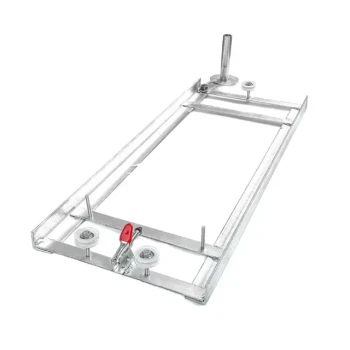
Specialized iron stands function as a critical isolation barrier, separating wooden beehives from the soil to prevent structural decay and infestation. By elevating the hive, typically to a height of 46 to 55 centimeters, these stands break the physical connection to the ground, significantly reducing the risk of subterranean termite attacks and moisture damage.
Core Takeaway: The iron stand is not merely a support structure; it is a preventive defense system. By decoupling the wooden hive from the ground, it forces soil-based pests to create visible pathways for entry, turning a hidden threat into a manageable monitoring task.
The Mechanism of Pest Isolation
Breaking the Path of Invasion
The primary threat to wooden hives placed directly on the ground is subterranean termite infestation. Iron stands create a physical gap that isolates the wood from the soil ecosystem.
Because termites cannot tunnel through iron, they are forced to build "mud tubes" up the legs of the stand to reach the wood. This channels the infestation into specific, exposed areas rather than allowing invisible entry directly into the hive base.
Facilitating Visual Monitoring
The elevation provided by the stand creates essential clearance between the hive and the ground. This space allows beekeepers to perform manual visual monitoring effortlessly.
Beekeepers can inspect the iron legs for termite mud tubes. If detected, these tubes can be physically removed during preventive cleaning, effectively disrupting the colony's attempt to invade the hive.
Deterring Crawling Pests
Beyond termites, the elevation helps block general crawling pests, such as ants, from easily entering the colony.
Lifting the hive to approximately knee level (46–55 cm) acts as a vertical buffer, making it significantly more difficult for ground-dwelling insects to breach the hive's defenses compared to a ground-level installation.
Preservation of Structural Integrity
Preventing Moisture Absorption
Wooden components are highly susceptible to rot when in contact with damp soil. Iron stands eliminate the pathway for ground moisture infiltration.
By cutting off this "wicking" effect, the stands prevent the hive bottom from rotting. This significantly extends the service life of the wooden equipment and protects the base from corrosion caused by soil acidity and moisture.
Enhancing Ventilation and Climate Control
Elevating the hive improves airflow around the bottom board. This increased bottom ventilation is critical for regulating the internal temperature and humidity balance.
Proper airflow prevents the accumulation of stagnant moisture, ensuring a healthier environment for the bees and preserving the quality of the stored honey.
Stability on Uneven Ground
Industrial-grade iron stands provide a stable, load-bearing surface (e.g., 60x45 cm) that maintains horizontal stability.
This is essential for installations on uneven terrain, ensuring the hive remains secure even as it gains significant weight from bee activity and honey production.
Understanding the Trade-offs
Maintenance of the Stand
While iron stands protect the wood, the stands themselves require attention. Beekeepers must ensure the iron does not succumb to environmental corrosion over time, which could compromise the stability of the hive.
Reliance on Routine Inspection
The stand is a tool for monitoring, not a "set and forget" solution. It does not chemically repel termites; it simply exposes them.
If a beekeeper fails to regularly inspect the iron legs for mud tubes, termites can still eventually bridge the gap. The protection provided by the stand relies entirely on the beekeeper utilizing the visual clearance the stand provides.
Making the Right Choice for Your Goal
To maximize the benefits of your hive installation, consider your specific environmental challenges:
- If your primary focus is Pest Management: Ensure the stand elevates the hive at least 46–55 cm to force termites to build visible mud tubes, and commit to weekly visual inspections of the stand legs.
- If your primary focus is Equipment Longevity: Prioritize the stand's ability to isolate the hive from soil moisture to prevent bottom rot and extend the life of your wooden components.
- If your primary focus is Colony Health: Utilize the elevation to improve bottom ventilation, helping the bees regulate humidity and temperature more efficiently.
Ultimately, a specialized iron stand transforms the installation from a passive placement into an active defense against the elements and pests.
Summary Table:
| Feature | Protection Mechanism | Key Benefit |
|---|---|---|
| Pest Isolation | Breaks ground contact | Prevents subterranean termite & ant infestation |
| Moisture Barrier | Eliminates soil wicking | Prevents wood rot and structural decay |
| Optimal Elevation | 46–55 cm height clearance | Forces visible pest pathways for easy monitoring |
| Climate Control | Enhanced bottom airflow | Improves internal hive ventilation and humidity |
| Structural Stability | Load-bearing iron frame | Ensures secure placement on uneven terrain |
Maximize Your Colony's Safety with HONESTBEE
Protect your investment with professional-grade beekeeping infrastructure. HONESTBEE provides commercial apiaries and distributors with high-durability iron stands, specialized hive-making machinery, and a full spectrum of wholesale beekeeping tools designed to withstand environmental challenges.
Whether you are scaling your commercial operation or sourcing premium consumables for distribution, our expert-engineered equipment ensures longevity and efficiency for your hives.
Ready to elevate your apiary management? Contact HONESTBEE Today for Wholesale Solutions
References
- A. A. Aiyeloja, S. L. Larinde. Influence Of Seasons On Honeybee Wooden Hives Attack By Termites In Port Harcourt, Nigeria. DOI: 10.5281/zenodo.1094106
This article is also based on technical information from HonestBee Knowledge Base .
Related Products
- Metal Bee Hive Stand Bee Box Stand for Beekeeping
- Metal Hive Feet Bee Hive Stand for Ant Protection
- Professional Ant-Proof Beehive Stand with Integrated Moat for Beekeeping
- Plastic Bee Hive Stand for Beekeeping
- Professional Galvanized Steel Frame Rest for Beehives
People Also Ask
- What are the potential risks of plastic bee hive stands? Avoid Structural Failure in Your Apiary
- What height should a bee hive stand be? Optimize for Your Back and Hive Health
- What are the essential technical specifications for a high-quality bee hive stand? Maximize Stability and Hive Safety
- What are the benefits of elevating a bee hive with a stand or base? Protect Your Colony and Your Back
- Why are specialized beehive stands or protective barriers necessary for pest management in apiaries? Secure Your Colony