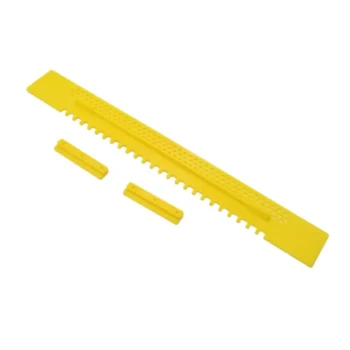
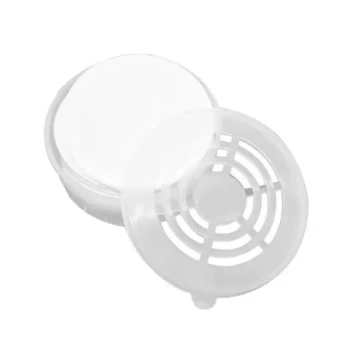
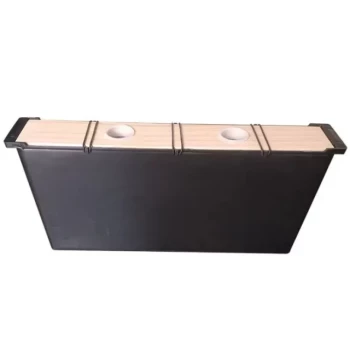
Specialized pollination hives revolutionize kiwifruit yield by automating the application of high-quality pollen directly onto the bees as they depart the hive. This system utilizes a "biological-carry" method, ensuring that every foraging insect becomes a precision delivery vehicle for the specific pollen or biological agents required. By integrating natural insect behavior with controlled material distribution, these hives significantly increase the accuracy of pollination compared to traditional, passive methods.
This technology transforms standard bee colonies into high-efficiency agricultural tools by ensuring maximum pollen-to-flower contact. For distributors and large-scale operators, it represents a shift from unpredictable natural foraging to a data-driven, managed pollination service.
The Mechanism of Biological-Carry Systems
Automated Precision at the Hive Exit
The core of this efficiency lies in the automatic dispenser integrated directly into the hive's exit point. As bees leave to forage, the dispenser ensures that specific pollen or biological agents adhere to their bodies in precise quantities.
Optimizing Material Distribution
This method eliminates the need for manual orchard spraying, which is often subject to wind drift and uneven coverage. By using the bees as carriers, the pollen is delivered directly to the floral reproductive organs where it is most effective.
Enhanced Disease Control
Beyond pollination, these dispensers can be used to distribute biological control agents to combat common kiwifruit pathogens. This dual-purpose functionality provides a comprehensive solution for crop health and productivity within a single piece of equipment.
Behavioral Conditioning and Precision Targeting
Scent-Based Reward Training
Advanced hives utilize within-hive conditioning systems that provide specific olfactory stimuli or floral scent rewards. These systems create a strong association between the reward and the kiwifruit flower, directing the colony’s focus.
Improving Work Efficiency Per Unit Area
By training bees to target specific crops, growers can achieve higher pollination density with fewer colonies. This behavioral consistency ensures that the bees do not "drift" to competing blooms in the surrounding environment, maximizing the ROI on hive rentals.
Controlled Environmental Feedback
Automated systems within the hive monitor and influence colony behavior through environmental feedback. This ensures the colony remains active and productive even during the fluctuating weather conditions often seen during the kiwifruit flowering window.
Scalability and Professional Logistics
Rapid Cross-Regional Movement
Modern pollination systems utilize palletized equipment and specialized transportation designed for rapid deployment. This allows distributors to move thousands of colonies across regions to meet the peak flowering demands of large commercial orchards.
One-Stop Sourcing for Large Operations
Resellers benefit from a full-spectrum product portfolio that includes both the specialized hardware and the logistical support systems. This "one-stop" capability simplifies the supply chain, ensuring that high-performance pollination is available exactly when the crop requires it.
Efficient Order Fulfillment
Professional-grade equipment is designed for high-density transport and quick setup upon arrival. This speed of delivery is critical in kiwifruit farming, where the effective pollination window can be as short as a few days.
Understanding the Trade-offs and Challenges
Technical Maintenance Requirements
Automatic dispensers and conditioning systems are precision instruments that require regular calibration and cleaning. Failure to maintain the hardware can lead to uneven pollen distribution or mechanical blockages at the hive exit.
Dependency on Pollen Quality
The efficiency of the system is entirely dependent on the quality and viability of the pollen loaded into the dispensers. Distributors must ensure a reliable supply of high-germination pollen to maintain the credibility of the service.
Complexity of Colony Management
Operating these specialized hives requires a higher level of professional expertise than traditional beekeeping. Managing the interaction between the mechanical dispensers and the biological needs of the bees requires specialized training and oversight.
How to Apply This to Your Project
Making the Right Choice for Your Goal
- If your primary focus is maximizing yield in large-scale orchards: Invest in palletized systems with integrated scent-training technology to ensure total crop coverage during peak bloom.
- If your primary focus is reducing chemical inputs and disease: Utilize the biological-carry dispensers to deliver organic fungicides and bio-pesticides directly to the flowers.
- If your primary focus is building a premium rental market: Prioritize hives with built-in traceability and protection features to establish high levels of trust and accountability with orchardists.
By leveraging the intersection of insect biology and automated hardware, distributors can provide a sophisticated, high-value solution that guarantees the consistency and quality of the kiwifruit harvest.
Summary Table:
| Key Feature | Mechanism of Action | Benefit for Commercial Yield |
|---|---|---|
| Automatic Dispenser | Applies pollen/biologics directly to bees at the hive exit. | Ensures 100% precision delivery and eliminates manual spray waste. |
| Biological-Carry | Uses foraging insects as targeted delivery vehicles. | Reaches floral reproductive organs directly, even in dense canopies. |
| Scent Conditioning | Olfactory rewards train bees to focus on kiwifruit flowers. | Increases pollination density and prevents colony "drift" to other crops. |
| Scalable Logistics | Palletized, transport-ready hardware for rapid deployment. | Enables ultra-fast fulfillment during short, critical flowering windows. |
Scale Your Commercial Success with HONESTBEE
Are you a distributor or B2B reseller looking to supply the future of agriculture? HONESTBEE is your premier partner for one-stop sourcing. We provide a full-spectrum product portfolio—from specialized hive-making and honey-filling machines to essential consumables and honey-themed cultural merchandise.
Why Partner with HONESTBEE?
- Comprehensive Wholesale Offering: Access everything from heavy machinery to specialized beekeeping tools.
- Unmatched Reliability: Benefit from deep professional expertise, rapid response times, and ultra-fast delivery.
- Built for Profit: Our high-quality hardware and OEM/ODM support are designed to maximize your margins and ensure supply chain reliability.
Ready to elevate your inventory with professional-grade pollination solutions? Contact us today to explore our wholesale catalog and see how our expertise can grow your business!
References
- Elie Abou Nader, Hatem Belhouchette. Linking Beekeepers’ and Farmers’ Preferences towards Pollination Services in Greek Kiwi Systems. DOI: 10.3390/ani13050806
This article is also based on technical information from HonestBee Knowledge Base .
Related Products
- Automatic High-Speed Bee Hive Box Stapling Machine
- Adjustable Formic and Acetic Acid Dispenser for Bee Mite Treatment
- High-Efficiency Pneumatic Bee Hive Making Machine for Rapid Box Assembly
- HONESTBEE Professional Hive Top Bee Feeder Feeding Solution
- Heavy-Duty Ergonomic Grip Galvanized Pollen Shovel
People Also Ask
- How is the Bee Box machine adjusted for different box sizes? Maximize Your Woodworking Versatility and Precision
- How is the Bee Box machine operated? Optimize Your Commercial Hive Production with Scalable Staffing Solutions
- How was the Bee Box machine designed? Industrial Engineering for High-Volume Beekeeping Production
- What is the production capacity of the Bee Box machine? Boost Output up to 1,000 Boxes Daily
- What are the power requirements and control system for the Bee Box machine? Optimize Your Apiary Equipment Production