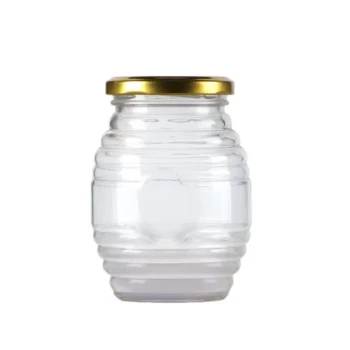
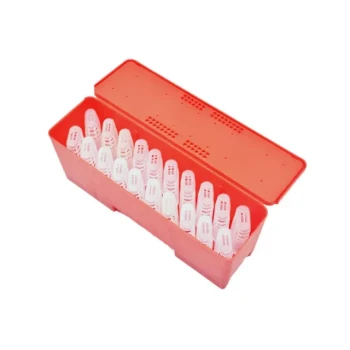
Specialized storage facilities directly address preservation challenges by engineering a controlled environment that isolates bee products from their three main enemies: temperature instability, humidity, and external pollutants. Through the use of advanced warehouse equipment, these facilities maintain specific physicochemical indicators, ensuring that sensitive goods like honey and beeswax retain their sensory quality and chemical integrity far beyond the initial harvest.
The core function of these facilities is to decouple the product's lifespan from environmental variability. By transforming perishable, season-dependent harvests into stable inventory, they ensure a consistent supply of high-quality products regardless of external weather conditions.
The Science of Environmental Control
Mitigating Environmental Stressors
Bee products are highly sensitive to their surroundings. Specialized facilities utilize equipment designed to strictly regulate temperature and humidity levels.
This regulation prevents the physical deterioration that occurs when honey crystallizes improperly due to cold or degrades due to heat. It also prevents the fermentation that can result from excess moisture absorption.
Preserving Physicochemical Integrity
Beyond basic spoilage, preservation is about maintaining the specific chemical composition of the product.
By shielding inventory from external pollutants and fluctuations, these facilities preserve the physicochemical indicators—the scientific markers of quality. This ensures the sensory profile (taste, texture, and aroma) remains consistent with the day it was harvested.
Managing Seasonal Fluctuations
The market value of bee products relies heavily on availability. Because production is seasonal, there is a natural gap between harvest and consumption.
Specialized storage acts as a buffer, extending the shelf life of products. This allows suppliers to regulate market flow, ensuring high-quality goods are available during non-harvest seasons without a drop in quality.
The Role of Packaging and Logistics
Isolation Through Specialized Containers
Storage is only effective if the immediate vessel is secure. Specialized containers are manufactured using food-grade materials to provide a second layer of defense.
These containers effectively isolate the product from environmental contamination, preventing physical or chemical changes that might occur during handling.
Standardization and Efficiency
The physical design of these storage solutions is standardized to facilitate efficient logistics.
Uniform container designs streamline inventory management and handling. This makes them essential consumables for high-efficiency supply chains, reducing the time products spend in transit where they are most vulnerable.
Centralization and Quality Assurance
The Technical Bridge
Centralized marketplace facilities often house these storage solutions, serving as a critical link between rural producers and the broader market.
They provide the infrastructure for centralized quality control and testing. This ensures that every batch leaving the facility meets strict standards, protecting the reputation of the supply chain.
Integrating Market Feedback
These facilities do more than store goods; they aggregate data.
By integrating market feedback with storage data, these hubs help beekeepers adjust their management practices. This loop fosters sustainable production and ensures the end product aligns with consumer expectations.
Understanding the Trade-offs
Infrastructure Costs vs. Product Value
Implementing specialized warehouse equipment and standardized food-grade containers represents a significant capital investment.
While this preserves value, it increases the initial cost of the supply chain. This investment is only justifiable if the market places a premium on high-quality, unaltered bee products.
Complexity of Centralization
Relying on centralized storage and testing hubs requires robust logistics to get the product to the facility without damage.
If the transport link between the producer and the central storage facility is weak, the quality may degrade before it ever reaches the controlled environment.
Making the Right Choice for Your Operations
When evaluating storage solutions for bee products, consider your primary objective:
- If your primary focus is Product Integrity: Prioritize facilities with advanced climate control to maintain specific physicochemical indicators and sensory qualities.
- If your primary focus is Market Stability: Utilize storage solutions that offer extended shelf-life capabilities to smooth out seasonal supply gaps.
- If your primary focus is Logistics Efficiency: Invest in standardized, food-grade containers to streamline handling and minimize contamination risks during transport.
Successful preservation is not just about keeping the product safe; it is about maintaining a standard of quality that the market trusts.
Summary Table:
| Preservation Factor | Solution Provided by Specialized Facilities | Impact on Quality |
|---|---|---|
| Temperature | Automated Climate Control | Prevents heat degradation & improper crystallization |
| Humidity | Moisture-Controlled Environments | Inhibits fermentation & maintains texture |
| Contamination | Food-Grade Specialized Containers | Eliminates external pollutants & chemical leaching |
| Supply Gap | Extended Shelf-life Buffering | Ensures consistent market availability year-round |
| Logistics | Standardized Packaging Designs | Improves handling efficiency & reduces transit damage |
Elevate Your Beekeeping Business with HONESTBEE
Maintaining the physicochemical integrity of your bee products is essential for market success. At HONESTBEE, we specialize in empowering commercial apiaries and distributors with the tools needed to secure your supply chain.
From high-precision honey-filling and hive-making machinery to professional-grade storage containers and essential consumables, our comprehensive wholesale portfolio is designed to meet the rigorous demands of the industry. Whether you are looking to enhance your facility's efficiency or source high-quality honey-themed cultural merchandise, we provide the technical expertise and hardware to protect your harvest's value.
Ready to scale your operations? Contact us today to discover how HONESTBEE’s specialized equipment and global supply solutions can drive your growth.
References
- Amina Kimea Mbaruku, Yonika M. Ngaga. Determinants of Profitability for Bee Product Producers, Traders and Processors in Ikungi and Kigamboni Districts, Tanzania. DOI: 10.37284/eajbe.8.1.2894
This article is also based on technical information from HonestBee Knowledge Base .
Related Products
- Classic Glass Honey Jar with Metal Lug Cap for Beehive Storage
- Plastic Transporting Bee Packages and Nuc Boxes for Beekeeping
- JZBZ Style Professional Battery Box with 20 Shipping Cages
- Food Grade Plastic Honey Bucket Pail for Beekeeping
- Yellow Plastic Bucket Pail Perch for Beekeeping
People Also Ask
- What are the benefits of glass jars regarding strength and safety for storing honey? Ensure Purity and Long-Term Quality
- What are the advantages of using glass jars for honey storage? Ensure Purity and Premium Appeal for Your Product
- What are the benefits of using high-transparency Glass Jars for honey? Elevate Purity and Premium Branding
- What is the aesthetic appeal of using glass jars for honey? Elevate Your Brand with Premium Packaging
- Which container is best for storing honey? Preserve Purity & Flavor with the Right Choice