Stainless steel mesh covers function as a critical physical shield for monitoring equipment within a beehive. They isolate sensitive electronic components from the colony while ensuring that air can freely reach the sensing elements, preventing bees from obstructing the device with biological materials.
Core Takeaway By serving as a durable barrier, stainless steel mesh prevents bees from sealing sensor vents with propolis or beeswax. This design maintains necessary airflow for accurate readings and significantly extends the maintenance cycle of equipment in the sticky, humid environment of a hive.
The Mechanics of Protection
Preventing Biological Obstruction
Bees naturally seek to seal gaps and coat foreign objects using propolis (bee glue) and beeswax. Without protection, bees will apply these secretions directly to sensor housing or air vents.
The stainless steel mesh stops bees from coming into direct contact with these critical openings. This ensures that the air vents remain open and functional, rather than being plastered shut by the colony.
Preserving Sensor Accuracy
Monitoring equipment requires contact with the hive's ambient air to measure temperature, humidity, or acoustics accurately. Solid covers would block this data, but open vents invite damage.
The mesh design solves this by allowing air to circulate freely to the sensing elements. It creates a "breathing" barrier that protects the electronics without isolating them from the environment they are meant to measure.
Material Advantages
Durability in Corrosive Environments
Beehives are warm, humid, and acidic environments that can rapidly degrade lesser materials. Stainless steel wire mesh provides exceptional resistance to corrosion.
This durability ensures the cover does not rust or degrade over time, which protects the electronics inside from exposure to structural failure.
Hygiene and Maintenance
Stainless steel is inherently easy to clean and maintain. This is vital for preventing the buildup of harmful bacteria or pests that could compromise both the electronics and the health of the colony.
When maintenance is eventually required, the sturdy nature of the mesh allows for rigorous cleaning without damaging the protective barrier.
Understanding the Trade-offs
Higher Initial Investment
The primary downside to stainless steel mesh is the higher initial production cost compared to plastic or other metals. It is a premium material choice that increases the upfront price of the monitoring unit.
Maintenance Is Reduced, Not Eliminated
While the mesh extends the service life and maintenance cycle, it does not make the device "maintenance-free."
Over long periods, propolis can eventually build up on the mesh itself. However, because the mesh keeps the propolis away from the internal components, cleaning the cover is far safer and easier than trying to clean delicate sensors.
Making the Right Choice for Your Goal
When selecting hive monitoring equipment, consider your operational priorities:
- If your primary focus is data reliability: Prioritize stainless steel mesh covers to ensure airflow vents remain free of propolis blockage for consistent readings.
- If your primary focus is long-term ROI: Accept the higher upfront cost of stainless steel, as its corrosion resistance and durability make it the most cost-effective solution over the lifespan of the device.
By separating the biology of the bee from the physics of the sensor, stainless steel mesh ensures your data remains accurate and your equipment survives the hive.
Summary Table:
| Feature | Benefit for Hive Monitoring | Impact on Performance |
|---|---|---|
| Physical Barrier | Prevents bees from sealing sensors with propolis/wax | Maintains consistent airflow & data |
| Stainless Steel 304/316 | Resists corrosion in humid, acidic hive environments | Extends equipment lifespan |
| Mesh Aperture Design | Allows free circulation of ambient air | Ensures accurate humidity & temp readings |
| Structural Rigidity | High durability against cleaning and maintenance | Simplifies upkeep without sensor damage |
Elevate Your Beekeeping Operation with HONESTBEE
At HONESTBEE, we specialize in empowering commercial apiaries and distributors with premium-grade beekeeping solutions. Whether you need specialized hardware like hive-making and honey-filling machines or essential industry consumables, our comprehensive wholesale offering is designed for durability and precision.
Why partner with us?
- Precision Engineering: From sensor-integrated hardware to honey processing machinery.
- Full Spectrum Supply: We provide everything from basic beekeeping tools to unique honey-themed cultural merchandise.
- Tailored for Scale: Our portfolio is built to support high-volume distributors and professional honey producers.
Ready to enhance your productivity and equipment longevity? Contact us today to explore our wholesale catalog and find the perfect fit for your commercial needs.
References
- Andrzej Szczurek, Piotr Batog. Monitoring System Enhancing the Potential of Urban Beekeeping. DOI: 10.3390/app13010597
This article is also based on technical information from HonestBee Knowledge Base .
Related Products
- Inner Beehive Cover for Beekeeping Bee Hive Inner Cover
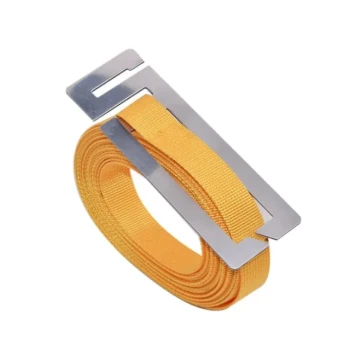
- Heavy-Duty Nylon Beehive Hive Strap with Stainless Steel Cinch Buckle
- Telescopic Beehive Outer Cover Lid Roof with Galvanised Sheeting for Langstroth Hive and Beehive Outer Cover
- Precision Stainless Steel Frame Cleaner for Hive Grooves and Corners
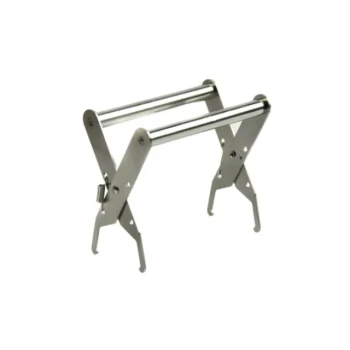
- Heavy-Duty Stainless Steel Frame Grip
People Also Ask
- What is the purpose of the inner cover in a beehive? A Key to Hive Health & Easy Management
- What is the function and placement of an inner cover in a beehive? Essential Hive Management Guide
- What is the purpose of the inner and outer covers in a beehive? Essential for Hive Health & Management
- What is a beehive's inner cover and how is it used? Essential Guide for Hive Insulation and Ventilation
- What are the functions of the inner and outer covers on a beehive? Essential Guide for Hive Protection and Management