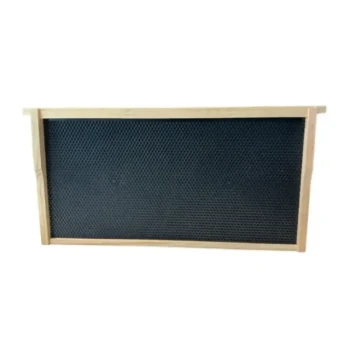
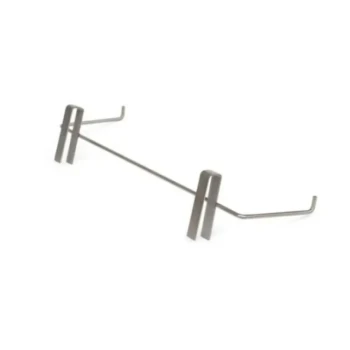
Standardized beehive frame beams and observation tools provide a quantifiable metric for colony performance. By utilizing uniform frame dimensions and high-definition imaging equipment, beekeeping technicians can conduct precise statistics on brood, honey, and pollen cells. This data-driven approach allows for a scientific assessment of how different supplementary feeding formulas impact the physical health, reproductive potential, and overall productivity of the hive.
The Core Takeaway: Standardization is the foundation of modern, data-driven beekeeping. By providing a consistent baseline for measurement, these tools allow commercial operations to move from anecdotal observation to precise, quantitative analysis of colony health and feeding efficiency.
The Role of Standardization in Data Accuracy
Creating a Uniform Measurement Baseline
Standardized frames serve as the primary unit of measurement within the hive. By using consistent dimensions, beekeepers can estimate colony metrics—such as brood size—in reliable increments, like 1/4 or 1/2 frame units. This uniformity ensures that data collected from one hive is directly comparable to another, regardless of the scale of the operation.
Facilitating High-Definition Imaging
Precision-engineered beams are designed to work seamlessly with modern observation tools, including high-definition imaging equipment. These tools allow for the capture of clear, dual-sided images of the frame surface. This technological integration enables technicians to perform automated or manual counts of brood cells, honey cells, and pollen cells with high accuracy.
Supporting Advanced Biological Monitoring
Beyond simple cell counts, standardized frames allow for the monitoring of bee coverage area and honeycomb height. These metrics are essential for measuring the actual improvements in colony resilience provided by specific feeding processes. This level of detail is vital for optimizing beekeeping strategies during non-foraging seasons or winter preparation.
Quantifying the Impact of Supplementary Feeding
Evaluating Reproductive Potential
The success of a supplementary feeding formula is often measured by its impact on the capped brood area. By using standardized frames as a benchmark, beekeepers can calculate the exact increase in larval cells following a feeding cycle. This provides a scientific method to evaluate the biomass production and reproductive capacity of different bee species.
Measuring Resource Storage Efficiency
Observation tools allow beekeepers to track how quickly and efficiently bees process and store sucrose or starch syrups. Standardized frames enable the measurement of storage depth and cell occupancy. This data is critical for ensuring that colonies are building the necessary reserves for winter survival without the risk of starvation.
Optimizing Feeding Delivery Systems
Internal frame feeders, which often hold up to 4 liters of syrup, are designed to fit perfectly within the standardized frame layout. Placing feed directly within reach of the bee cluster reduces the risk of external robbing. This integrated system ensures that the energy expenditure of the bees is minimized, maximizing the nutritional benefit of the supplement.
Understanding the Trade-offs
Initial Investment vs. Long-term Data
The transition to highly standardized systems and digital observation tools requires a higher upfront capital investment compared to traditional methods. However, for wholesalers and large-scale distributors, this cost is offset by the ability to offer clients a "one-stop" professional ecosystem. The long-term value lies in the reduction of colony loss through better-informed management decisions.
Complexity of Data Interpretation
While standardized tools provide high-quality data, the interpretation of this data requires a degree of professional expertise. Relying solely on cell counts without considering environmental factors can lead to misleading conclusions. Successful operations must pair these tools with deep industry knowledge to truly optimize feeding schedules and formulas.
How to Apply This to Your Portfolio
As a distributor or wholesaler, your goal is to provide a comprehensive product range that supports professional-grade beekeeping.
- If your primary focus is Professional Breeding Operations: Prioritize sourcing standardized frames and HD imaging kits that allow for the precise tracking of brood rearing and genetic performance.
- If your primary focus is Commercial Honey Production: Emphasize high-capacity internal frame feeders and standardized monitoring tools to maximize winter survival and colony strength.
- If your primary focus is Building a Full-Spectrum Brand: Position yourself as a one-stop source by offering integrated systems where frames, feeders, and observation tools are engineered to work together perfectly.
By providing standardized, high-precision components, you empower your clients to transform beekeeping from a seasonal craft into a predictable, data-driven science.
Summary Table:
| Component | Measurement Metric | Key Benefit for Beekeeping |
|---|---|---|
| Standardized Frames | Brood, honey, and pollen cell counts | Consistent baseline for cross-hive comparisons |
| HD Imaging Tools | Dual-sided frame surface capture | High-precision automated biological monitoring |
| Internal Feeders | Syrups storage depth and occupancy | Minimized energy loss and reduced external robbing |
| Precision Beams | Honeycomb height and bee coverage | Accurate assessment of winter survival readiness |
Scale Your Wholesale Success with HONESTBEE
As a global leader in one-stop sourcing, HONESTBEE provides distributors and B2B resellers with the full-spectrum product portfolio needed to drive profitability. We supply everything from standardized beekeeping tools and machinery to specialized honey-filling equipment and industry consumables, ensuring your inventory is always at the cutting edge.
Why Partner with HONESTBEE?
- Comprehensive Portfolio: One-stop access to hardware, hive-making machines, and cultural merchandise.
- Premium Trading Services: Benefit from our deep professional industry expertise and rapid response times.
- Efficient Fulfillment: Ultra-fast delivery and OEM/ODM support to ensure supply reliability for your commercial clients.
Contact HONESTBEE Today to Secure Your Supply Chain
References
- Naznin Sultana, Md. Mashiur Rahman. Evaluating the efficiency of supplementary feeding as a management strategy for enhancing honeybee (Apis mellifera L.) colony growth and productivity. DOI: 10.3389/frbee.2024.1386799
This article is also based on technical information from HonestBee Knowledge Base .
Related Products
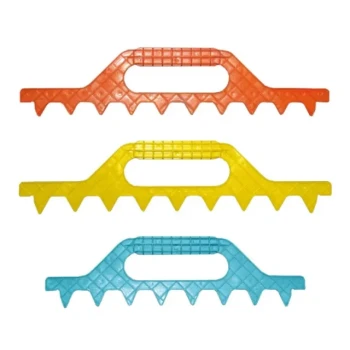
- Ergonomic Plastic Frame Spacer Tool for Rapid Hive Management Beekeeping
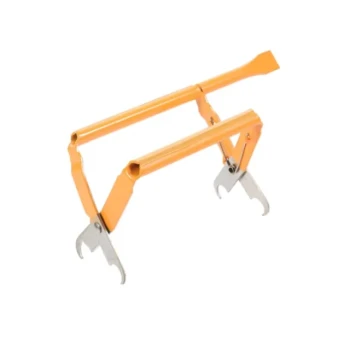
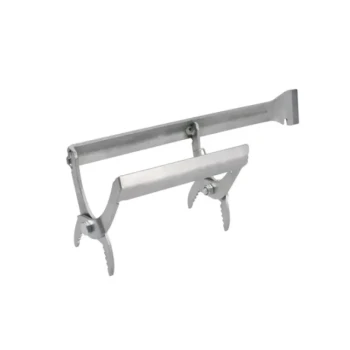
- Multi-Function Frame Grip with Integrated Hive Tool
- HONESTBEE Durable Frame Wiring Board with Integrated Tensioner
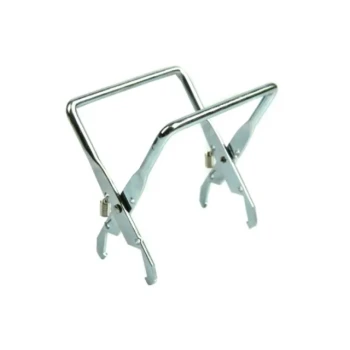
- Multi-Function Plier-Style Frame Grip Hive Tool
- Durable Galvanized Steel Frame Grip
People Also Ask
- What specific challenges do beekeeping hive tools address during hive maintenance? Essential Solutions for Apiaries
- How do specialized beehive management tools assist in the routine maintenance of bee colonies? Boost Hive Efficiency
- How do specialized beehive management tools support high-purity honey production? Master Monofloral Isolation
- What additional equipment might be useful for beekeeping? Boost Hive Health & Efficiency
- What are the approximate costs of basic beekeeping tools? Start Your Apiary for Under $85